Updated on December 10, 2024.
As summer gives way to fall and the days get shorter and chillier, many of us look forward to a break from seasonal allergies. In fact, fall allergies are often just as disruptive as spring and summer allergies. From late August until the first hard frost, about 20 percent of people experience fall seasonal allergies, with the coughing, sneezing, and congestion that often comes with them.
Why do I have allergies?
Your immune system is designed to protect your body against invading organisms that can make you sick. Allergens are substances in the environment—whether from trees, grasses, or flowers—that are typically harmless to the body.
But when you have an allergy, your immune system mistakes an allergen for something dangerous. This can cause symptoms like sneezing, red or itchy eyes, a runny nose, and a hoarse, itchy, or sore throat.
But you don’t have to spend autumn in a haze. If you tend to develop these symptoms each fall, you can take steps to prevent or ease your allergies.
Identify fall allergens
The first step is to identify the fall allergens that trigger your itchiness, congestion, and other symptoms. These may include the following factors:
Weeds: People can experience allergy symptoms all year long, but certain allergens are abundant at different times. "Fall allergies are due in a large part to ragweed and other similar weed pollens,” says Mark Schecker, MD, an allergist with Coastal Carolina Allergy and Asthma Associates in Myrtle Beach, South Carolina.
More than a quarter of U.S. adults have seasonal allergic rhinitis, or “hay fever,” which may be triggered by ragweed pollen. This fine dust can be released by 17 different types of ragweed and is carried by wind, meaning that every breath you take could trigger a reaction. Ragweed generally grows from August to November, peaking in the middle of September.
Other common weeds like goldenrod, burning bush, cocklebur, lamb’s quarters, pigweed, mugwort, Russian thistle, and sagebrush can also set off seasonal allergy symptoms.
Mold: These fungal growths are another leading allergy trigger. Mold can lurk in bathrooms, air vents, garbage cans, and other parts of your home, triggering allergy symptoms any time of the year. But outdoor mold spores, which spread through the air, are especially plentiful during the fall.
Spores are often found in piles of leaves, foliage-filled gutters, and other damp areas that provide the food, air, temperature, and water they need to grow. Mold is often thought to be a warm-weather allergen, but in some places, mold spores don’t reach their peak until October. They can spread not only when it’s humid but also when it’s dry and windy. Mold allergy symptoms include nasal congestion, irritated eyes, and coughing.
School allergens: Aside from outdoor allergens, students, parents, and teachers may be exposed to allergens in the classroom. Some triggers may include chalk dust and classroom pets.
Talk to your healthcare provider (HCP) if you’re unsure of what’s causing your seasonal allergy symptoms. There are tests, such as allergy skin testing, which can help identify the sources of your discomfort.
Avoid top triggers
Once you’ve identified your fall seasonal allergy triggers, you can take steps to avoid them or reduce your exposure. During the fall, weed pollen counts are highest in the mid-mornings and early evenings. It’s a good idea to avoid spending long periods of time outside during these windows of time.
If you do venture out in peak hours, be aware that you may bring pollen back inside with you, cautions Dr. Schecker.
“Pollen sticks to your hair, skin, and clothes, and that may be a hidden source of pollen you may not be aware of,” he says. “If you’ve been outdoors, consider changing clothes or even showering as soon as you come inside.”
To avoid outdoor mold allergens, leave doors and windows closed, check mold counts before venturing out, and remain inside (with the air conditioner on) when counts are high. High efficiency particulate air (HEPA) filters can be helpful, as they can capture most small particles like mold and pollen. These filters can be added to an existing central HVAC system or work together with an air cleaner appliance.
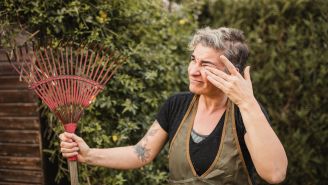
Whenever possible, leave the leaf raking, lawn mowing, and gutter cleaning to someone else. Keep your indoor surfaces clean—especially the warm, damp ones—and use a dehumidifier to maintain low humidity levels.
Know your treatment options
If you suspect you have fall seasonal allergies, it’s important to reach out to your HCP about lifestyle changes or treatments that could help provide you with some relief. If you have confirmed seasonal allergies, discuss your options before your symptoms arise.
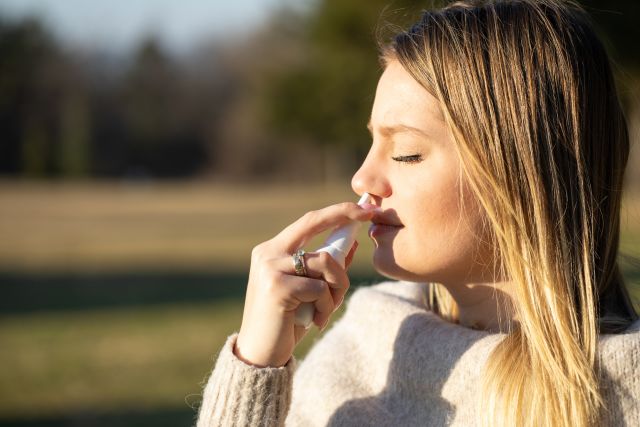
You may find relief from a saline sinus rinse. This is a simple solution of saltwater to remove allergens from your sinuses and nostrils, and you can make it yourself or purchase a commercial product without a prescription. Over-the-counter antihistamines, eye drops, or oral medications could help, too, as can steroid nasal sprays and decongestants. Be sure to talk to your HCP before trying any over-the-counter remedies.
If these medications fail to provide relief, your HCP may prescribe a stronger medication.
“You might have to combine two or even three medicines to get the relief you’re looking for,” Schecker says.
Some people with more severe seasonal allergies may benefit from allergy shots, Schecker adds. “There is no cure for allergies, but allergy shots can treat the underlying cause,” he says. “After we determine what you’re allergic to, by giving you a test, we can create a specific vaccine and give appropriate shots.”