Advertisement

5 weight loss myths you should stop believing

Embrace the facts and learn to lose weight in a healthy way.

Updated on February 11, 2026

1 / 6

Anyone who has tried to lose weight can tell you: There’s no simple solution for shedding pounds. But drastic steps, like eliminating whole food groups, aren’t a healthy way to lose weight. They’re also not a good way to maintain a healthy weight over time.

“These quick, instant-gratification myths sometimes result in modest weight loss in the short term, but they're not sustainable or effective in the long-term,” says Tammy Baranowski, MS, RDN, a Registered Dietitian in Orange Park, Florida.

These misconceptions could also fuel weight-loss frustration and may even be harmful to your health. So, it’s time to separate fact from fiction, debunk common weight-loss myths, and learn effective and healthy ways to lose weight.

2 / 6
MYTH: You should avoid fat to lose weight

Fats have gotten a bad reputation, but you don’t have to eliminate them from your diet to lose weight. In fact, a Harvard meta-analysis of 53 studies, involving more than 68,000 people, compared the effectiveness of various diets and resulting weight loss over the course of a year or more. Researchers found those on a low-fat eating plan weren’t particularly successful in shedding pounds and keeping them off.

What's more, replacing your favorite foods with low-fat versions could introduce unhealthy additives into your diet. “When they remove the fat, they have to replace it with something else so low-fat products are often filled with a lot of sugar and sodium,” Baranowski explains.

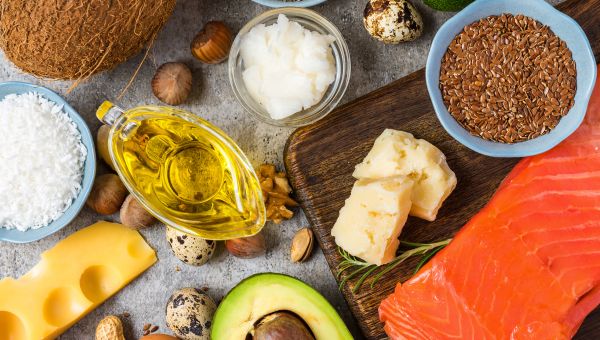
Avoid these unwanted ingredients by opting for unsaturated fats, found in foods like olive oil, salmon, avocado, and walnuts. These good-for-you fats can support heart health and, when eaten in moderation, help you maintain a healthy weight. Beware of overdoing them, however. Foods rich in healthy fats still tend to be higher in calories. Mind your portion size when slicing an avocado or sprinkling nuts into your salad.

3 / 6
MYTH: Low-carb diets are best for weight loss

There’s no shortage of well-known low-carb eating plans on the market, such as the Atkins and South Beach diets.

Many people have a misguided fear of carbs, according to Baranowski. “I think that's sad,” she says. “Because carbs are so important to our health, and they taste good, too.”

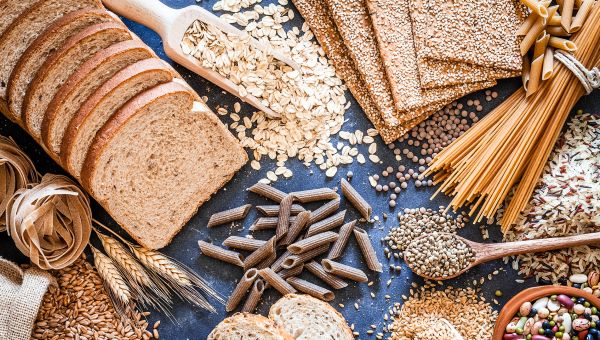
In fact, evidence suggests that whole grains as part of an overall healthy diet, rich in fruits and vegetables, can help you maintain a healthy weight. The fiber content of whole grains helps you feel satisfied with fewer calories. And despite the claims of low-carb diets, there is little evidence to suggest that a diet rich in healthy carbs contributes to weight gain or obesity.

That said, when it comes to carbs, you do need to consider quality as well as quantity. Some carbohydrates are simply better for our bodies than others. High-quality carbs contain more fiber, which helps slow your digestion and, in turn, keeps your blood sugar from spiking. Low-quality carbs, on the other hand, have usually been processed or refined in some way. This may strip away most of that helpful fiber.

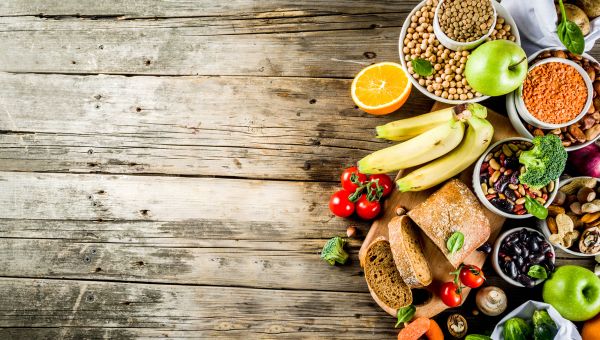
Naturally occurring carbs, found in fruits, vegetables, whole grains, legumes and seeds, should be a part of a healthy diet. But avoid refined grains like white rice and foods with added sugars, including baked desserts and candy, which are high in calories but low in nutritional value.

4 / 6
MYTH: All calories are created equal

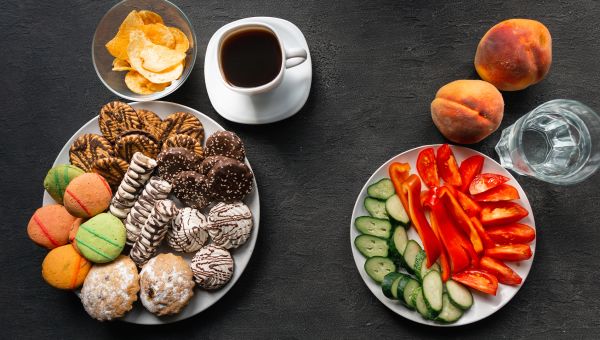
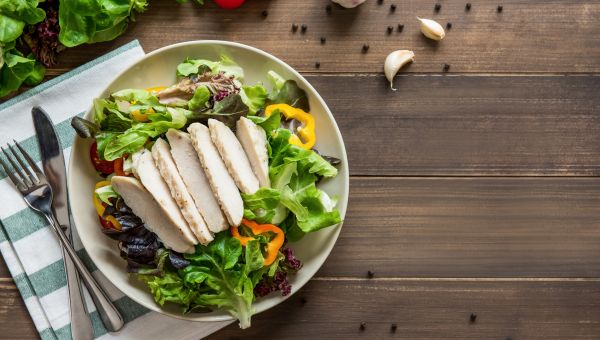
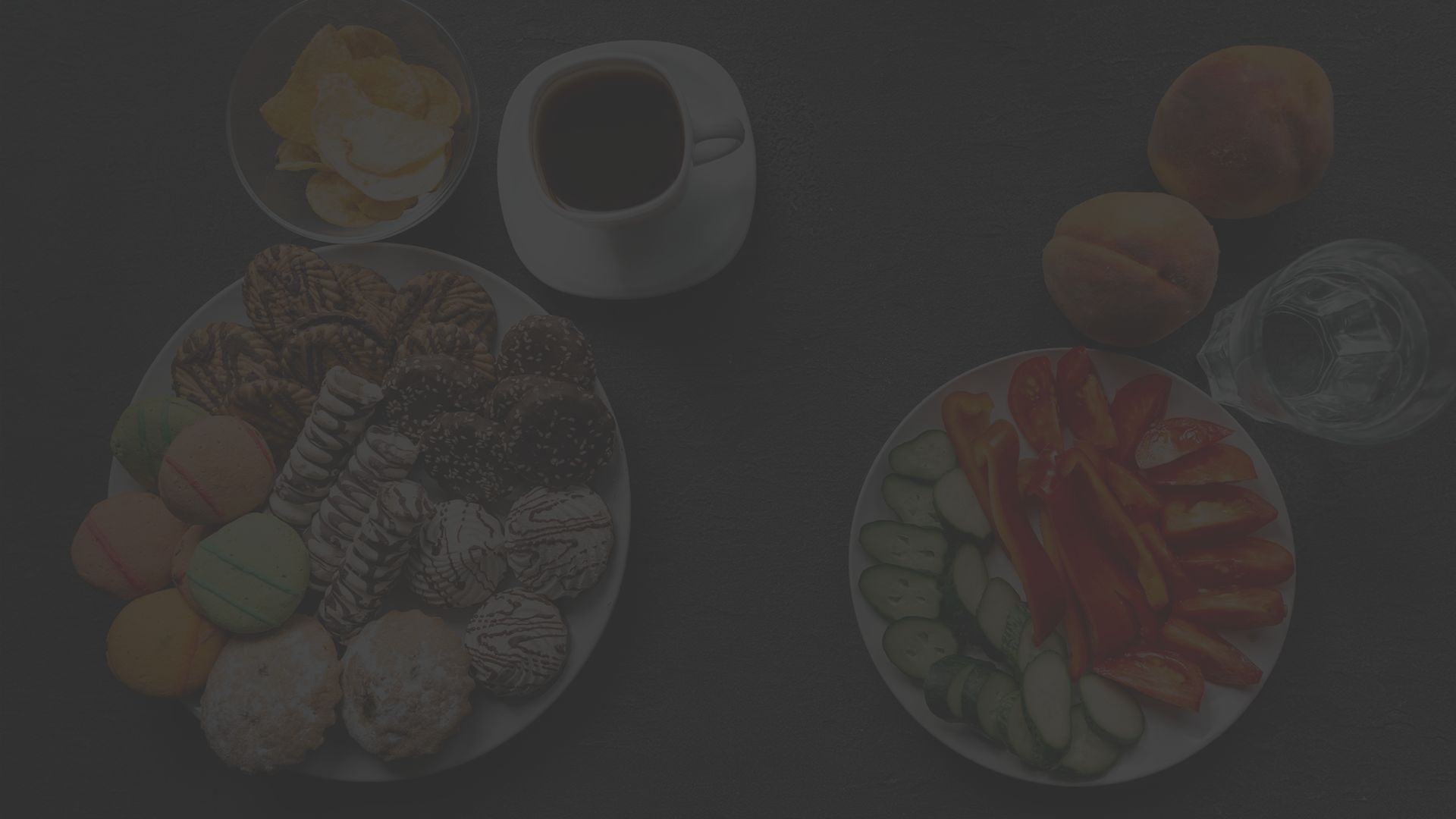
Your diet affects your metabolism, so when it comes to shedding extra pounds, the source of your calories matters. Sugar-rich foods, like cakes and cookies, can cause a spike in your blood sugar—a signal to your body that it should hold onto more fat. This isn’t a good thing for those looking to get to a healthy weight. Instead, fuel your body with lean protein, fresh produce, whole grains and a moderate amount of healthy fats.

Even if foods have the same number of calories, some may be more effective in helping people lose weight than others. A candy bar and 1 ounce of raw almonds, for example, contain about the same number of calories. But the nuts, which are loaded with healthy fats, will likely keep you satisfied longer. If you’re feeling full, you’re less likely to graze and consume extra calories throughout the day, which can lead to weight gain.

Rather than making a trip to the vending machine, think ahead and prepare and pack healthy meals and snacks that you can have when hunger strikes in the afternoon.

“Planning ahead and setting yourself up for success is so important," says Baranowski. "So, take a few minutes every weekend to think about and plan your meals for the week."

5 / 6
MYTH: Go gluten-free to lose weight

Gluten, a protein found in grains like wheat, barley and rye, has received a lot of attention in recent years. Gluten-free diets were created as a way to manage the symptoms of celiac disease—a condition that causes inflammation of the small intestine and can lead to distressing symptoms, including diarrhea, constipation, gas, bloating, abdominal pain, fatigue, and sometimes nausea or vomiting. Those who have gluten sensitivity, which is a delayed adverse reaction to the protein, may have similar symptoms and also benefit from avoiding gluten. Keep in mind however, unlike celiac disease, gluten sensitivity doesn’t damage the intestines.

But gluten-free diets have been adopted by people without these conditions. Why? Some eliminated the protein from their diet because they believe they are intolerant to it, while others swear off gluten in an attempt to lose weight. But research suggests gluten is unlikely a contributor to extra pounds—and there’s no direct link between eliminating gluten and losing weight. In fact, gluten-free products are often high in calories and fat, which could lead to weight gain. Meanwhile, some healthy whole grains contain gluten, and avoiding them could deprive your body of valuable nutrients, like protein.

“I would just say, as a general takeaway, anything that eliminates an entire food group just won't work,” Baranowski advises. “So, I would avoid eliminating entire food groups, and anything too restrictive; it's not going to have long-term success.”

6 / 6
MYTH: You can’t eat your favorite foods

As soon as we commit to a diet, many of us pledge to give up the rich, comforting foods we might love most. But don’t be so quick to go cold turkey on your favorite takeout order or bakery staple.

“Anybody who feels deprived is not going to be successful in managing their weight or leading a healthy lifestyle,” Baranowski points out.

The key to losing weight is consuming fewer calories than you burn. And it’s possible to fit well-planned snacks and treats into a healthy weight loss plan if you keep track of calories. Research suggests those who log their daily intake are more successful at losing weight than those who don’t.

Work with your healthcare provider or a dietitian to determine how many calories you should eat to drop pounds, and keep a log of the foods and drinks you consume. Food scales are an inexpensive way to measure portions before filling your plate. A handy notepad or even a kitchen napkin would suffice as a food journal.

You can also keep track of your meal quality with phone applications, like Sharecare, available for iOS and Android.

More On

Miranda lambert opens up about her weight loss

video

Miranda lambert opens up about her weight loss
Country music singer Miranda Lambert recently shared her struggles with weight loss in 'Health' magazine.
Choose a Mediterranean menu for healthy blood sugar levels

article

Choose a Mediterranean menu for healthy blood sugar levels
Research shows that following a Mediterranean-style eating pattern can lower your risk for type 2 diabetes.
Everything you need to know about the DASH diet

slideshow

Everything you need to know about the DASH diet
Manage your weight, cut cholesterol, and lower your blood pressure with DASH.
What lifestyle changes are most effective for weight loss?

video

What lifestyle changes are most effective for weight loss?
John Ellis, MD, explains what lifestyle changes you can make to lose weight effectively. Do it together!
Can I drink coffee if I'm trying to lose weight?

video

Can I drink coffee if I'm trying to lose weight?
You can certainly drink coffee if you're trying to lose weight, but there are some key tips to keep in mind before you brew. Dietitian Ashley Koff, RD...