If you're working toward a healthy weight goal, you may already be a pro at navigating unclear restaurant menus and less-than-supportive friends or co-workers. But what about the challenges you encounter in the comfort of your own home?
We spoke with bariatric surgeon Frank Chae, MD, of Sky Ridge Medical Center in Lone Tree, Colorado, to learn which common items could be making weight management unnecessarily difficult at home.
Visit your bathroom scale weekly, not daily
It’s not a bad thing to keep an eye on your numbers. In fact, research shows that tracking your pounds can be a good weight management tool. But daily check-ins can backfire. For some people, stepping on the scale every day or over-monitoring may set them up for failure.
That’s because maintaining a healthy weight involves making lifestyle changes over time. All your good habits won’t necessarily be reflected on the scale every morning—and that can be discouraging.
“Daily weighing is self-defeating,” Dr. Chae says. “And it can be frustrating at times. I think a weekly weigh-in is more productive."
Replace diet sodas and fat-free snacks with better alternatives
It's best to avoid stocking your cupboards with unhealthy foods. But did you know those may include diet drinks and “fat-free” snacks? Yes, these can work against you.
The fat, sugar, and salt content in our favorite foods is what makes them so tasty, says Chae. When you take one of those ingredients out, it’s often replaced with another. "Nobody's going to buy chips that taste like wood chips," he says. That means that a snack that's labeled “fat free” may be loaded with sugar or sodium to add more flavor, doing you no favors. Plus, this kind of labeling can trick you into thinking you can eat more without packing on the pounds. That's often untrue.
In the same sneaky way, a diet soda may seem "healthy" because it contains no sugar or calories. But the artificial sweetener can make you crave more sweets, and that can lead to weight gain.
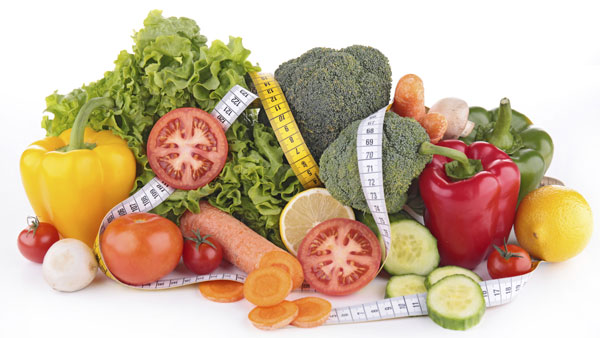
Instead, replace junk food with whole fruits, veggies, grains, proteins like lean chicken or legumes, and healthy fats like almonds or avocados. These kinds of foods are loaded with nutrients that help keep you full and satisfied. And when it comes to drinks, opt for water or unsweetened tea over sodas. Be wary of snacks with claims like “reduced fat,” “low-fat,” “fat-free,” “sugar-free” or “light,” and be sure to look at food labels if you're buying packaged foods.
Delay the end-of-day reunion with your television remote
After a long day, there's not much more tempting than plopping down on the couch and reaching for the remote. But too much screen time can make it that much harder to manage your weight—even if you plan on exercising later. Not only that, but because TV may encourage unhealthy eating habits and take away from time when you could be active, hours of viewing could raise your risk for conditions like diabetes and heart disease that are associated with extra weight.
"When we sit down and become really immobile, our muscles stop generating, our metabolism changes, and our bodies go into this shut-down mode where we stop burning calories," says Chae. "We go into a hibernation mode where we begin storing energy and increasing fat content.”
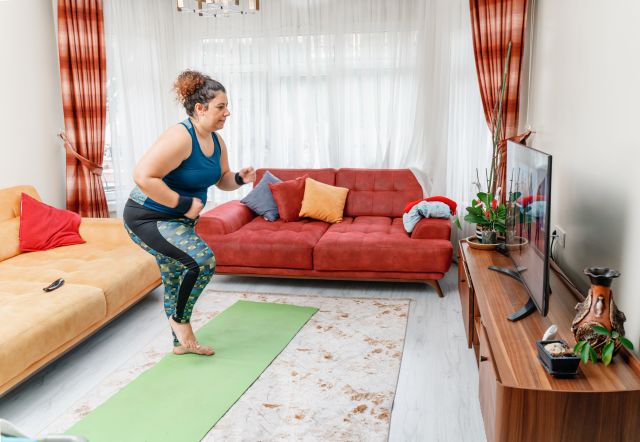
In short, you're better off if you spend at least some of that TV time moving, not sitting still.
So before settling into the couch, go for an after-dinner walk or try to squeeze in a quick workout. And if the remote proves too tempting, make your TV time work for your health by getting active during those commercial breaks.