Advertisement

Fascinating things your body does while you're sleeping

Every stage of sleep has a crucial role in your body's function.

Updated on March 14, 2022

woman sleeping
1 / 6

Getting enough sleep is important for many reasons—it slows down the aging process, lowers anxiety levels, boosts your mood, helps you maintain a healthy weight, and much more. But what is actually going on during the night? You may be surprised to learn that your brain doesn’t shut down during sleep. It’s actually working in overdrive.

If you’re not getting enough sleep—the National Sleep Foundation recommends adults 18 to 64 get seven to nine hours per night—you may be missing out on essential restorative time that helps you look, feel, and think better. Here’s what your body is doing while you’re sleeping, why these stages of sleep are important, and how to get more shut-eye.


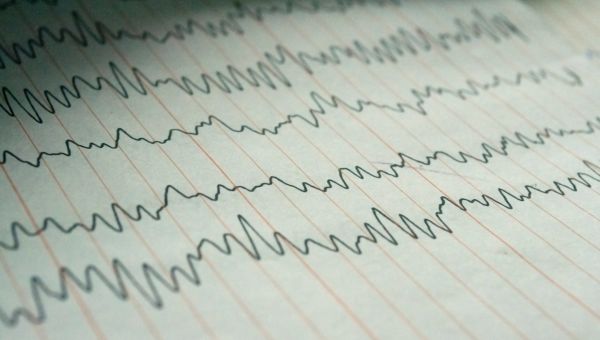
zigging lines, stages of sleep
2 / 6
Specific stages of sleep

In order to really understand the amazing things your body does while you’re snoozing, we need to break down the different stages of sleep. Clinical psychologist and sleep expert Michael Breus, PhD, says you need ample amounts of each type of sleep to feel renewed and refreshed each morning. Here’s a rundown:

NREM (non-rapid eye movement): Makes up about 75 percent of the night, and includes the N1 to N3 stages of sleep.

  • N1 or “stage 1”: Typically, somewhere between awake and asleep, the lightest stage of sleep, makes up 5 percent of sleep time
  • N2 or “stage 2”: Initial onset of sleep, overall body temperature is dropping, makes up 40 to 50 percent of sleep time
  • N3 or “stages 3 and 4”: Beginning stage of deep sleep, makes up about 20 percent of sleep time

REM (rapid eye movement): Makes up about 25 percent of your night and begins about 90 minutes after you fall asleep. The REM phase repeats about four to five times throughout the night.

Breus says you progress through each stage and then repeat the cycle throughout the night. “After you fall asleep, a normal sleep cycle takes you from light sleep into deep sleep and then back to light sleep and then on to REM sleep. After REM sleep, your body awakens briefly and then returns to stage 1 sleep to repeat the process.” 
stretch, yawn, waking up, sleep
3 / 6
Your body restores itself—physically

During the N3 stage of sleep (also known as stages three and four), you’re in the deepest and most restorative stage of sleep. During this time, your muscles are relaxed, your breathing is slower, your tissues grow and repair, and your energy is restored. During this stage, your body releases hormones that are crucial for growth and development, including muscle development. 

sticky note, don't forget, remember, memory
4 / 6
You’ll process information and store memories

If you've noticed you have trouble remembering things or concentrating at work after a restless night, you’re not imagining it. Research suggests that sleep is crucial for storing memories. It also appears as if different phases of sleep contribute to different types of memory.

Take, for example, episodic memory, which is memory of specific events and times. It seems that NREM sleep is when you integrate new memories into past memories, while the REM stage helps you retain all of those memories. Semantic memory (facts, basically) are stored during N2 and REM sleep, so a nap or good night’s sleep really can help you learn. New motor skills are consolidated during REM sleep.

If you’re tossing and turning throughout the night, it’s likely you won’t make it through a complete sleep cycle, or if you do, it’s probably not going to be good quality sleep. Practicing healthy sleep habits can help you get enough of these memory-boosting stages of sleep.

sleep mask, man sleeping
5 / 6
You’ll have dreams

Ever wondered when (or how) you dream crazy mixtures of story lines? The “when” is during REM sleep. While experts aren’t sure exactly why we dream, they do know that dreams typically occur during this deep sleep period. And some evidence shows you may dream during other stages of sleep, too.

Even though sleep experts aren’t completely sure why we dream, there are some theories. One theory is that dreaming can help encourage creativity. And another theory with mounting evidence is that dreaming actually helps you preserve memories from the day. So, it makes sense that you may have had a dream that included a strange rendition of something going on at work or home.

Most people have about four to six dreams per night, but it’s unlikely you'll remember all of them. You’ll probably recall bits and pieces of the dream that was closest to your wake time.

alarm clock
6 / 6
The Sleep Doctor’s top sleep tips

Besides powering down your electronics a few hours before bedtime, avoiding naps and getting regular exercise, Breus has a few other sleep secrets he shares with his patients. Here are his must-do’s:

  • Keep a consistent sleep schedule, even on the weekends (remember that your wake-up time is even more important than your bedtime, so keep it consistent)
  • Stop consuming caffeine by 2 p.m.
  • Stop consuming alcohol three hours before lights out
  • Get 15 minutes of sunlight each morning

If you’re having trouble sleeping and you’re practicing healthy sleep habits, see your healthcare provider to talk through more serious conditions that could be disrupting your ZZZs, like insomnia or sleep apnea.

More On

What are the advantages of sharing a bed with my partner?

video

What are the advantages of sharing a bed with my partner?
Given our busy, demanding world these days, sharing a bed with your partner promotes better intimacy and communication. Watch as internist and sleep e...
What is idiopathic hypersomnia?

article

What is idiopathic hypersomnia?
How idiopathic hypersomnia is different from other sleep disorders.
Do you know the signs of sleep deprivation?

slideshow

Do you know the signs of sleep deprivation?
Muddled thinking, poor reflexes (don’t get behind the wheel!), memory problems—and that’s the short list.
How can sleep affect hormones?

video

How can sleep affect hormones?
Getting enough sleep is one of the most effective ways to keep your weight in check. In this video, naturopathic doctor Dr. Natasha Turner talks about...
How can a food curfew help me get a good night's sleep?

video

How can a food curfew help me get a good night's sleep?
What you eat at the end of the day can have a dramatic effect on how you sleep at night. Watch as sleep specialist Michael Breus, PhD, explains how a ...