Updated on September 22, 2025.
If you’ve been to a middle-school science fair lately, you’ve probably seen the project with a tooth in jar of soda demonstrating cola's ability to eat through tooth enamel. It's real, and it’s not pretty.
But soda isn't the only food that can damage your teeth. Here are other top foods that can cause problems for your smile—plus several that can help improve your oral health.
Foods that can hurt your teeth
Avoid these foods or eat them sparingly to help maintain healthy teeth.
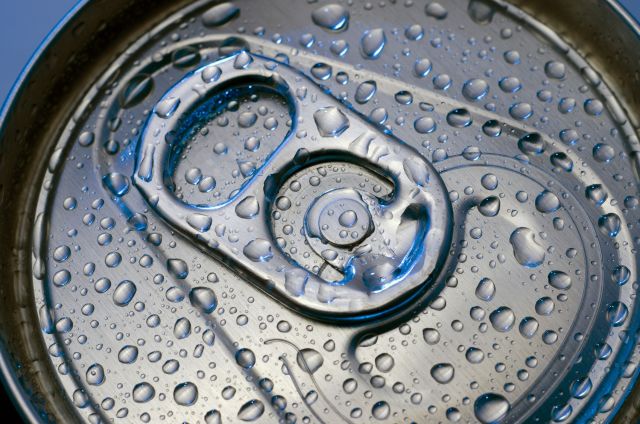
Soda, fruit juice, and sports drinks
They're not only sugary but also acidic. That creates a perfect home for the bacteria that cause cavities and gum disease—especially if you tend to sip one these drinks consistently during the day. When you subject your teeth to a steady stream of these liquids, the natural acid-neutralizing properties of your saliva just can't keep up.
The realistic fix: Nobody's saying you have to quit your favorite beverages cold turkey. But if you have a habit of sipping throughout the day, choose water. Reserve treats like soda, energy drinks, or sports drinks for a once-a-day pick-me-up.
And when you do indulge in a sweet sip, grab a straw (preferably a biodegradable paper one, which is better for the environment than a plastic one). Sipping through straws reduces the amount of time your teeth are exposed to the harmful properties of sweet and acidic drinks.
Sticky and starchy foods
We're not just talking about gooey caramels or fruit roll-ups. Bread, crackers, chips, sweet rolls, and other refined carbohydrates are nearly as likely as a Tootsie Roll to cling to teeth. And when they do, they can hang on for at least 20 minutes. That’s not good.
The realistic fix: Try to say no to sticky sweets and carbs when you can't brush afterward. Alternatively, if you don’t have time to brush after snacking, swish some water around in your mouth or chew a stick of sugarless gum that's sweetened with xylitol. The gum helps remove sticky food particles from your teeth and xylitol increases healthy saliva and can help reduce the chances of cavities.
Foods your smile will love
There are some foods that can help boost oral health (along with regular brushing and flossing, of course).
Cheese, please: Eating a bit of cheddar (or any sort of cheese) at the end of a meal may help protect teeth. It stimulates the production of cleansing saliva. Plus, the calcium in cheese helps fortify teeth.
Crunchy munchies: Crisp apples, celery, and carrots are nature's little toothbrush alternatives. Not only do they help rid your mouth of food particles, but their rough, fibrous texture actually scrubs away particles and bacteria as you chew.
A cuppa tea: Drinking tea after eating can help destroy the germs that cause cavities, gum disease, and less-than-fresh breath. That goes for both green and black teas.
Shiitake mushrooms: These delicate, delicious flavor-boosters contain lentinan. It’s a plant substance with a range of powerful health properties. For one, it fights both tooth plaque and the bacteria that live in it.