Updated on December 16, 2025.
Pneumonia is a lung infection that can be caused by different types of germs, including bacteria, viruses and fungi. One way to catch pneumonia is by breathing in droplets that carry germs, like from someone coughing or sneezing near you.
Usually, your immune system keeps infectious particles out of your lungs. But pneumonia can develop if you come into contact with an especially strong infection, if the germs make it past your body’s defenses or if your immune system is weak.
Healthy people often recover from pneumonia in a matter of weeks, but some cases are more serious and may require hospitalization.
Good news: there’s a vaccine
There are multiple pneumococcal vaccines available to help prevent bacterial pneumonia caused by Streptococcus pneumoniae. Vaccination is recommended for:
- Children ages 5 and younger
- Adults ages 50 and older
- Anyone at increased risk for pneumococcal disease, including people with certain health conditions such as diabetes and chronic heart disease
- People who smoke cigarettes
For children, vaccination is a four-dose series given at 2, 4, 6 and 12 to 15 months of age. For adults, the schedule depends on vaccination history and the type of vaccine used. Check with a healthcare provider (HCP) to see which course of action is right for you.
Who’s at risk for pneumonia?
Certain people—particularly children younger than 2 years and adults ages 65 and older—are more likely to come down with pneumonia and are therefore prime candidates for the pneumococcal vaccine. You may also be at higher risk if you have one of the following risk factors.
You have a weak immune system or a chronic illness
If your immunity is impaired by a condition like cancer or HIV, ask your HCP how you can protect yourself against pneumonia. They may tell you to take precautions similar to those recommended for COVID, such as wearing a mask in public or avoiding crowded places. They will also recommend getting a pneumococcal vaccine.
You smoke
Smoking increases your risk of developing pneumonia and makes it harder for your body to fight the illness. Ask your provider about the pneumococcal vaccine, as well as cessation methods like nicotine replacement gum, patches, or medications like Chantix or Zyban.
You’re in the hospital
If you’re an inpatient, ask your nurse to help you get out of bed every day. Walking and sitting up helps you expand your lungs and expel or cough up germs. Your provider might also have you use a device called a spirometer to help you improve your lung function.
You can also lower your risk of catching pneumonia by getting the flu vaccine each flu season, which starts around October. The flu is a major cause of viral pneumonia (which is different from bacterial pneumonia). COVID and respiratory syncytial virus (RSV) can cause viral pneumonia, as well. Getting vaccinated for them can protect you and your loved ones.
Pneumonia symptoms
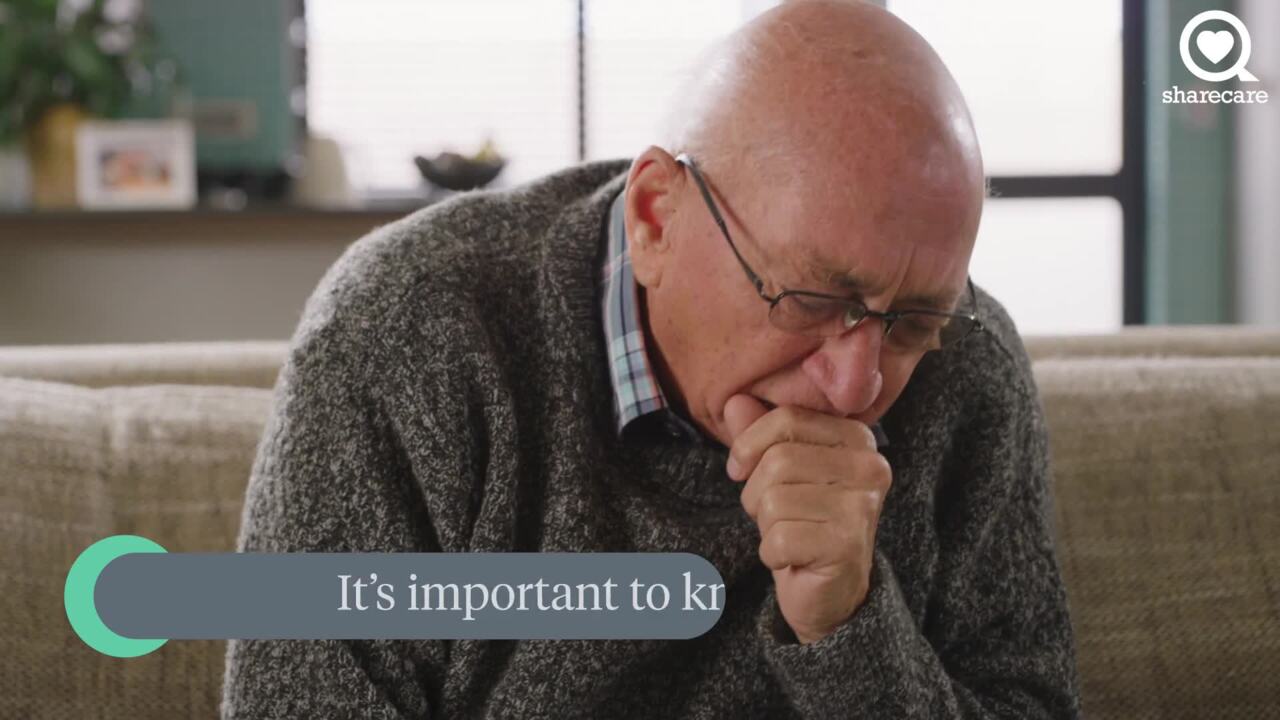
The main symptom of pneumonia is a cough. You might also experience:
- Fever
- Chills, sweats and body aches
- Loss of appetite
- Low energy
- Headache
Some shortness of breath and chest pain are also to be expected with pneumonia. Call your HCP if you start feeling sharp pains with breathing or if your breaths become too fast or abnormal. If you feel like you can’t get air into your lungs, call 911.
Diagnosing pneumonia
Your HCP may test your blood to see if you’re infected. They’ll also listen to your lungs and take your vital signs, which includes checking your temperature and oxygen level. A high fever and low oxygen level can signal that you have a more serious infection.
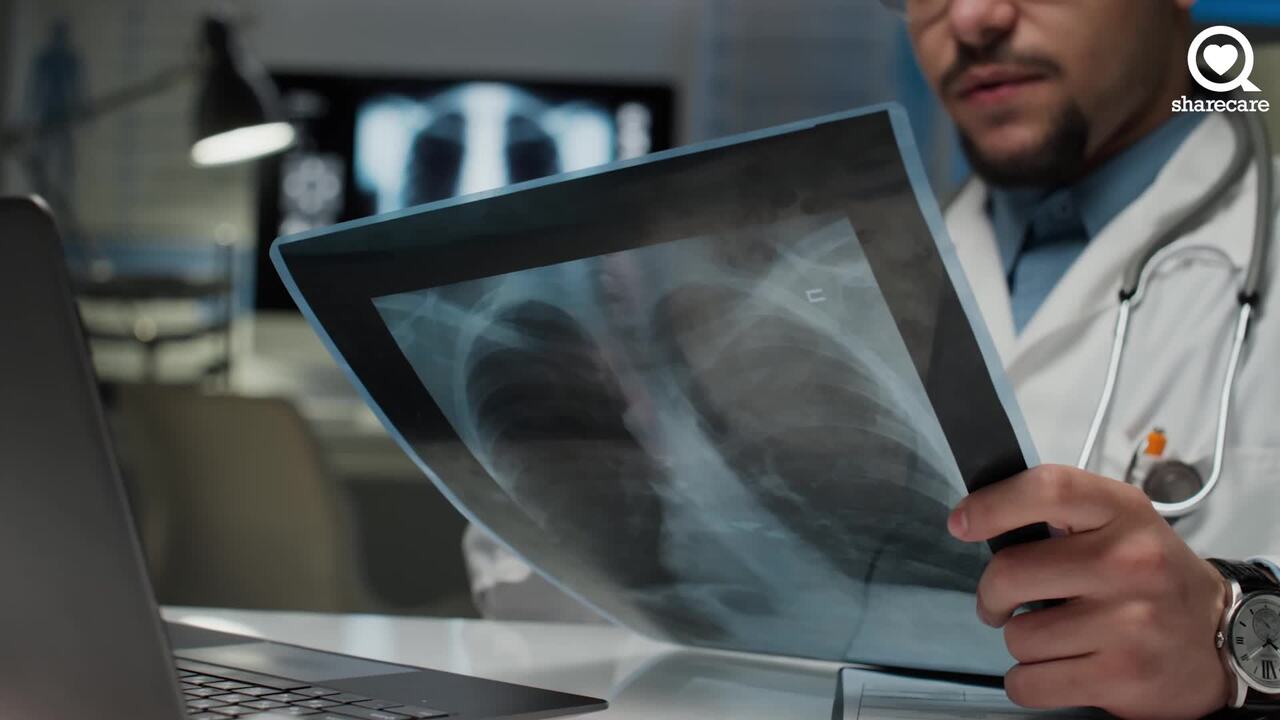
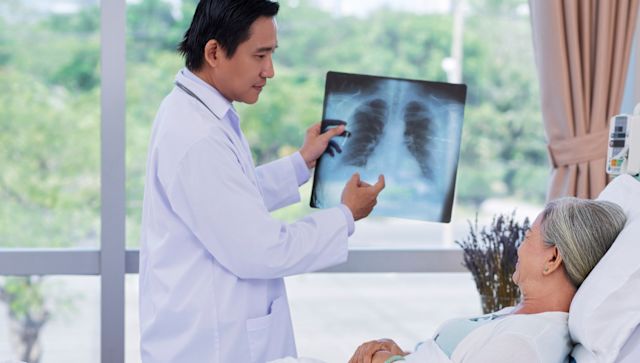
You may require a chest X-ray to confirm that you have pneumonia. The X-ray allows your HCP to see which parts of the lungs have been infected and whether there is fluid surrounding the lungs.
Pneumonia treatment
Treatment depends on the type of infection you have and its severity. If bacteria are causing it, your HCP will prescribe antibiotics. Make sure you take every dose, even if you start feeling better. Doing so can keep the infection from coming back and lower the chances of antibiotic resistance.
Antibiotic resistance is a growing public health problem that’s making it harder for HCPs to treat infections. In fact, some antibiotics prescribed in the outpatient setting may not work for people with some types of pneumonia. That may be due, at least in part, to antibiotic resistance.
Your HCP might also recommend a medication like acetaminophen to lower your fever and relieve body aches. If you have a more serious case of pneumonia, you may need to be hospitalized to receive IV medications, oxygen therapy and breathing treatments, or vaporized medicine that you inhale to help break up thick mucus secretions resulting from the infection.
How can I take care of myself when I have pneumonia?
There are some things you can do to help your body fight the infection:
- Drink plenty of fluids and consider using a humidifier. Breathing in moist air and staying hydrated can help loosen mucus secretions, making them easier to cough up. If you don’t have a humidifier, run hot water in the shower and breathe in the steam.
- Don’t take over-the-counter (OTC) cough and cold medications. Avoid OTC meds unless your HCP says they’re okay. They can suppress your cough, making it harder for your body to get rid of the infection.
- Don’t drink or smoke. Alcohol can interfere with some antibiotics and smoking will irritate your lungs and slow down healing.
When you have pneumonia, your body needs time to recover. Stay home from work and school and be sure to get plenty of rest.