Updated on August 12, 2025.
With COPD, you're probably very aware of what a flare-up feels like—the increased shortness of breath and possibly extra mucus and other symptoms. But it's also important to be aware of how your breathing feels when you're not having a flare-up. Because COPD is a chronic condition that develops slowly over time, you want to be sure to notice if your day-to-day symptoms are getting worse and do something about them before things reach a crisis. So it's time to think about how your breathing feels right now compared with days, weeks or even months ago. Because the good news is that although COPD can't be cured, you do have lots of treatment and self-care options for slowing down the disease and improving your overall lung function.
Tracking flare-ups
One sign your condition may be getting worse is that you're experiencing more frequent exacerbations or flare-ups. An exacerbation could be fairly mild and hard to detect, especially if your symptoms tend to wax and wane, or it could be severe enough to send you to the emergency room. To get a better read on how many exacerbations you're experiencing and how frequently they happen, start a symptoms journal and keep track of day-to-day symptoms as well as flare-ups and what might be causing them.
Work with your doctor
You should also work closely with your doctor to determine how your breathing is and to help you focus on the best lifestyle changes and treatments for you. Your doctor can also help you rethink your treatment plan if your quality of life feels like it's on a downward slope.
And if you think you may be having an exacerbation but aren't certain, call your doctor. Whatever you do, don't ignore what you are feeling. Research suggests that many COPD sufferers don't completely recover from exacerbations, leading to a more rapid deterioration of overall lung function. But getting properly treated with the right medications can help.
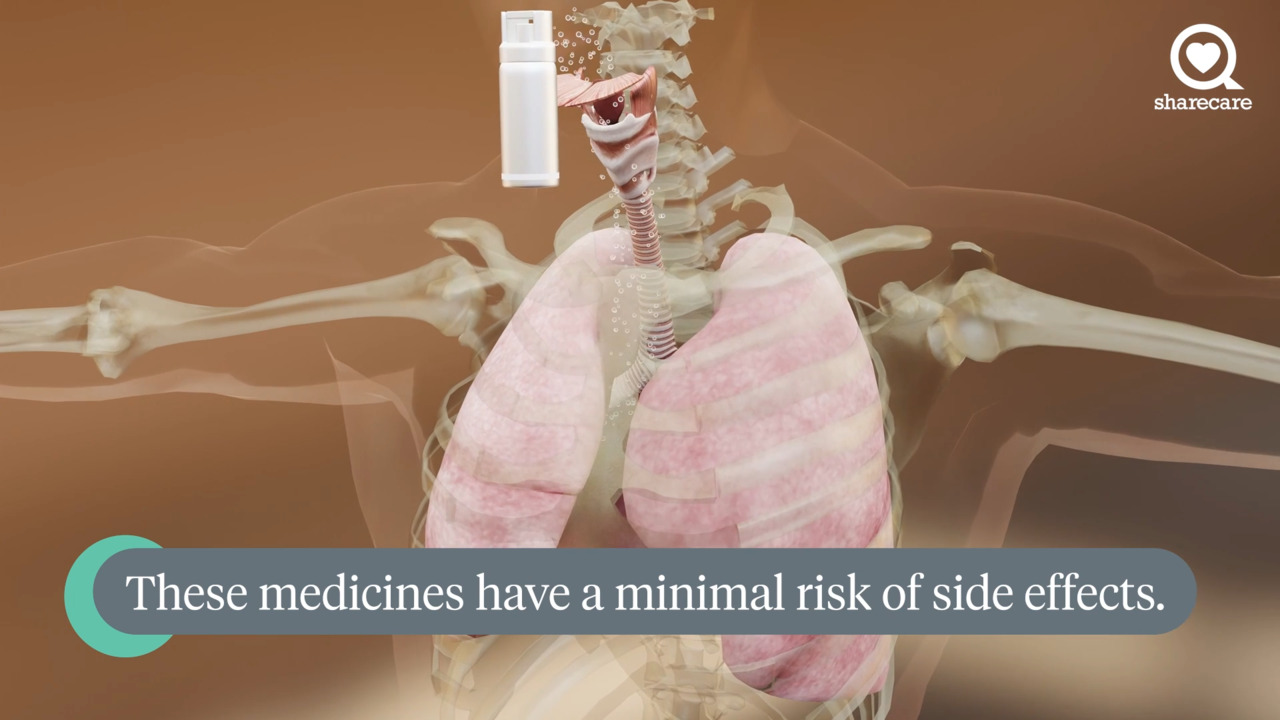
And always take the medication your doctor prescribes—at the right time—to help prevent or minimize exacerbations.
Staying healthy
Of course, your best bet is to avoid flare-ups in the first place if you can, so taking good care of yourself on a day-to-day basis is paramount. Here are three tips to staying healthy with COPD:
- Wash your hands often. Upper respiratory viruses (cold and flu) account for over half of COPD exacerbations. So wash your hands frequently, steer clear of sick friends and family members and get a flu vaccination.
- Quit smoking. Smoking is the number one cause of COPD and can increase exacerbations.
- Baby your lungs. Dust, pollen, strong fumes and other environmental air pollutants can make it harder for lungs to do their job, so think about ways to improve the air you breathe.
Medically reviewed in August 2018.