5 lesser-known warning signs of an asthma attack
While some clues are surprising, if you know what to look for, you'll be better prepared for your next attack.
Updated on October 16, 2025
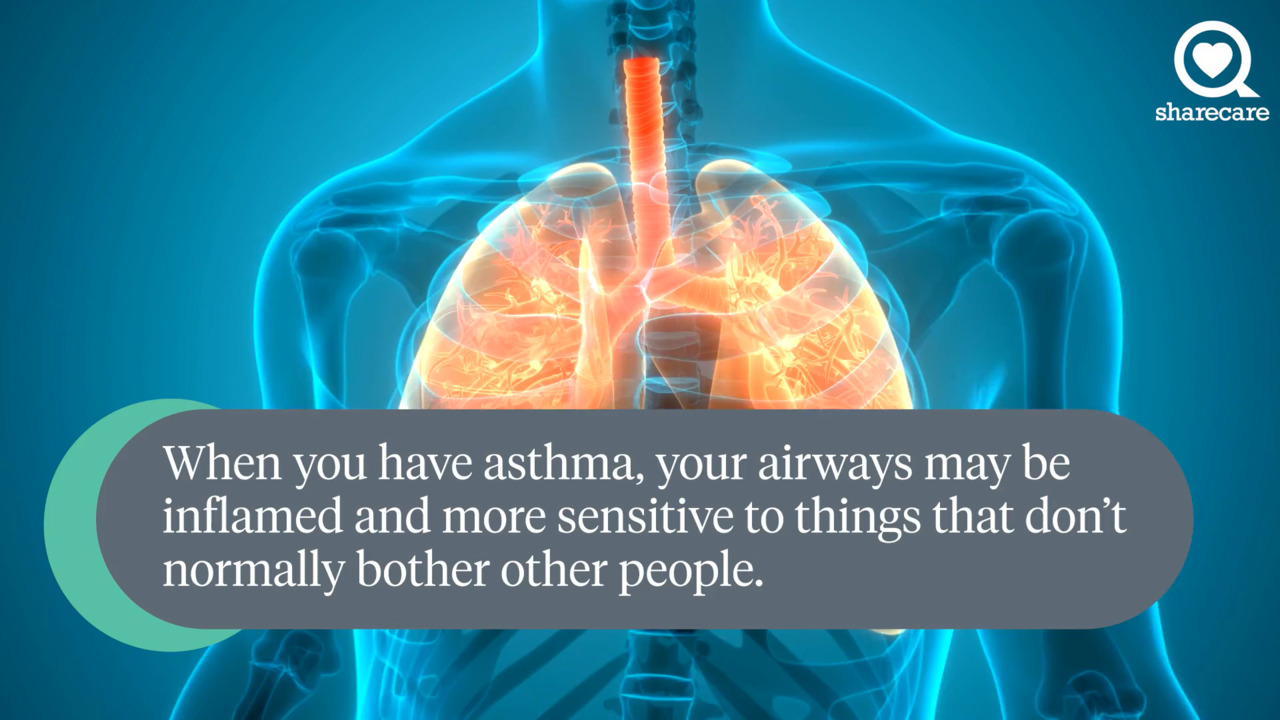
Coughing and wheezing are common signs of an asthma attack. But are they the only signs? Not by a long shot, says allergist and immunologist Clifford Bassett, MD, author of The New Allergy Solution. Some other clues can be surprising. But if you know what to look for, you'll be better prepared for your next attack.
Leaning Forward
Your friends and family might think you're really interested in what they're saying, but if you're unconsciously leaning forward, it could spell trouble. People with asthma "may try to change position to 'get more air' and make breathing easier," says Bassett. This is also a way to cope with an attack in progress. It's called the tripod position, and it involves leaning forward and putting your hands on your knees, which helps the muscles you use to breathe work better.
Confusion
Your brain needs oxygen to function. If you're having an asthma attack, your lungs are taking in less oxygen, and that means less oxygen gets to the rest of you—including your brain. And when your brain isn't getting enough oxygen, it can make it hard to concentrate. Confusion is a sign of a severe asthma attack that requires emergency care.
Feeling tired or yawning
One yawn doesn't mean an attack is on the way. But feeling overly tired could be another signal that your asthma isn't well-controlled and you're more at risk for an attack. Your asthma might be keeping you from a good night's sleep, making you groggy the next day. "An increase in nighttime cough can affect adequate and quality sleep and rest," says Bassett. Or, feeling tired could be from labored breathing, he adds.
The sniffles
Respiratory infections and asthma share some symptoms, like coughing and chest tightness. But other common respiratory symptoms, such as a stuffy or runny nose or an increased production of mucus (a clear, sticky substance that protects delicate membranes), could be an early sign of an asthma attack. For people with asthma, these viruses can lead to inflammation of the airways in the lungs. So, make sure your asthma action plan includes what to do when sniffles strike.
What to do
"While asthma can be life-threatening, it can also be managed successfully and allow participation in normal activities," says Bassett. Some things you can do include having a written asthma action plan, being aware of warning signs (especially the weird ones!) and knowing how to treat your symptoms with medication.
If your lips and nails turn blue, your heart beats faster than normal, or you have difficulty walking, talking, or climbing stairs, it's a sign of an emergency says Bassett. Take quick-relief medications and seek medical help immediately. Call 911 or go to the emergency room.
MedlinePlus. Signs of an Asthma Attack. February 3, 2024.
Cleveland Clinic. Tripod Position: Orthopneic, Purpose and How It Works. May 1, 2025.
Merck Manual Consumer Version. Asthma. July 2025.
Asthma and Allergy Foundation of America. Asthma Signs and Symptoms. January 1, 2022.
World Health Organization. Asthma. May 6, 2024.
Allergy and Asthma Network. Asthma Symptoms and Triggers. Accessed October 15, 2025.
Mayo Clinic. Asthma: Limit Asthma Attacks Caused by Colds or Flu. September 26, 2024.
American Lung Association. Create an Asthma Action Plan. September 5, 2025.
Cleveland Clinic. Cyanosis (Blue Hands and Feet): Causes, Treatment and Diagnosis. October 17, 2022.
American College of Emergency Physicians. Asthma—Know When to Go to the ER. Accessed October 15, 2025.
Mayo Clinic. Asthma Attack. April 15, 2025.
More On


video
article
slideshow


video


video