Updated on May 7, 2025.
Sinusitis is a common condition in which the sinuses—the four spaces around the nasal passages—become inflamed and swollen. This causes mucus buildup that makes it difficult to breathe through your nose. Sinusitis can be:
- Acute, lasting up to 4 weeks
- Sub-acute, lasting from 4 to 12 weeks
- Chronic, lasting 12 weeks or longer despite treatment
Besides difficulty breathing, the condition can cause pain and swelling around your eyes, nose, cheeks, and forehead, as well as a throbbing headache. Fever and thick discharge from the nose are also common symptoms.
About one in eight people in the United States experience acute sinusitis at some point. Some people go through several bouts, and many have a chronic problem. Sinusitis is more common in adults than children.
How are asthma and sinusitis related?
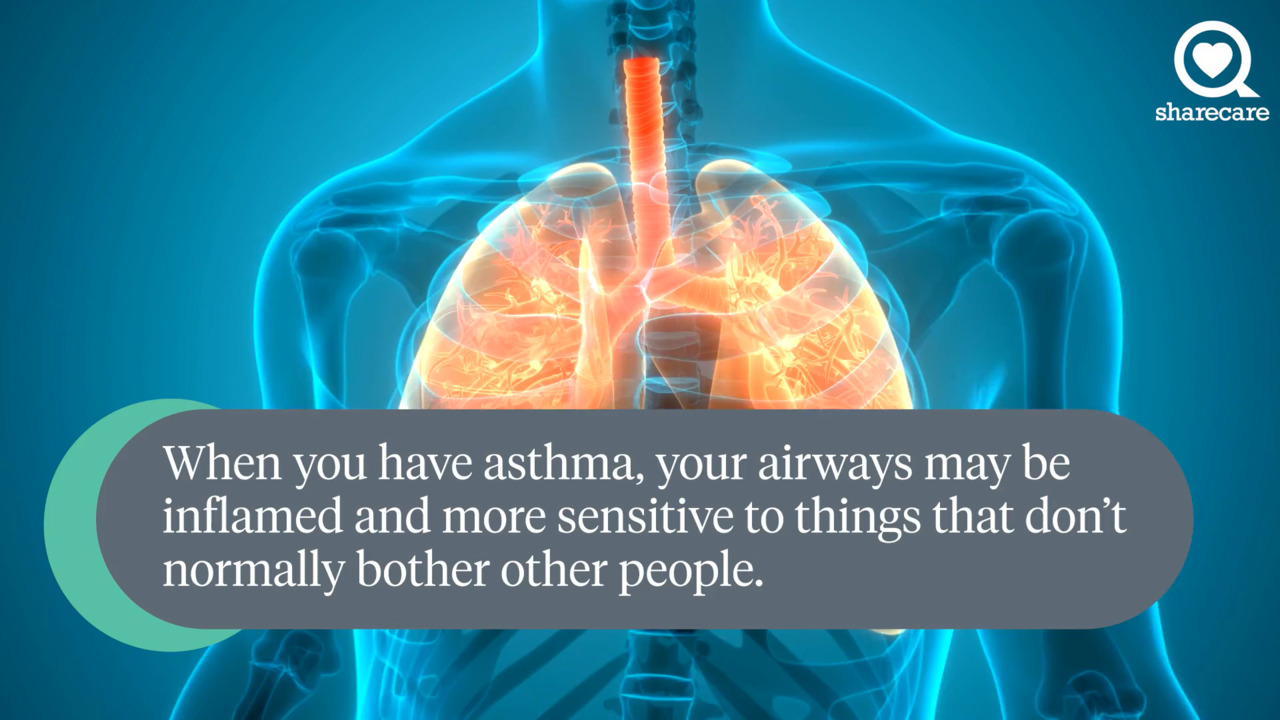
Asthma is a condition that affects the airways, which are tubes in the lungs. Sometimes, it causes them to tighten and become inflamed. When this happens, it reduces air flow and leads to difficulty breathing.
The relationship between asthma and sinusitis is not fully understood. Generally speaking, they’re both inflammatory reactions that obstruct the airways.
Sinusitis can trigger asthma attacks. People with asthma or allergies have a higher risk for sinusitis. The risk is highest among those with severe asthma, especially if they also have nasal polyps or sensitivity to aspirin.
When people with asthma who have sinusitis are treated, research suggests that asthma symptoms can improve.
What causes sinusitis?
Acute sinusitis is typically caused by a viral respiratory infection, such as a bad cold.
Chronic sinusitis may be caused by:
- Bacterial or fungal infections
- Nasal polyps
- A deviated nasal septum, when the wall of tissue dividing the nose in half gets shifted to one side
- Other medical conditions, such as cystic fibrosis
- Allergies
Recurring allergies that cause inflammation and swelling can lead to a bacterial or fungal infection. That can lead to chronic sinusitis.
How is sinusitis treated?
Most cases of acute sinusitis get better by themselves in 7 to 10 days. Treating symptoms during this time can involve flushing out your nasal passages with a saline solution. It may also mean taking medication, such as decongestants, antihistamines, or expectorants.
If sinusitis persists for more than 7 to 10 days, healthcare providers (HCPs) usually prescribe antibiotics. A corticosteroid nasal spray is often prescribed. In some cases, an oral corticosteroid such as prednisone may be given.
Are there treatments for both asthma and sinusitis?
Treatments differ for sinusitis and asthma, but they may overlap, especially when both conditions are allergic in nature.
- Oral corticosteroids may reduce the inflammation that occurs with both conditions.
- Leukotriene-antagonists are medications often prescribed for asthma. They may also help reduce symptoms of sinusitis.
- Immunotherapy, or allergy shots, can treat underlying allergies that contribute to both asthma and sinusitis.
Some treatments aren’t appropriate for both asthma and sinusitis. For example, a humidifier may relieve sinusitis, but asthma reacts better to dry air conditions. If you have both sinusitis and asthma, it's important to work with your HCP to create a treatment plan for your unique symptoms and needs.
Can asthma and sinusitis be prevented?
Though sinusitis and asthma are two different conditions, some things that help manage asthma can help prevent sinusitis. These include the following.
- Take steps to prevent upper respiratory infections, such as washing your hands and, if possible, avoiding people you know to be ill.
- Treat upper respiratory infections promptly, so they don’t lead to other complications.
- Carefully manage your allergies by taking prescribed medications and attending regular appointments with an allergist or other HCP.
- Avoid cigarette smoke by taking steps to quit or being aware of second- and third-hand smoke.
- Reduce your contact with pollutants by checking air quality before going outside.
- Consider using air purification systems, like HEPA air filters, in your home.
If you have questions about asthma or sinusitis, speak to a trusted HCP. They can provide information and, if needed, recommend other specialists who can help.
Correction: A previous version of this article indicated that healthcare providers prescribe antibiotics for chronic sinusitis, which is sinusitis that lasts 12 weeks or longer. It was updated in May 2025 to note that antibiotics are usually prescribed after a period of 7 to 10 days.