Updated on September 23, 2025.
Since the Zika virus was first discovered in humans in 1952, several outbreaks have occurred in various parts of the world. In 2015, the virus made headlines in the United States after more than 200 local cases were reported in Texas and Florida. Thousands more were diagnosed across the Caribbean.
Though it hasn't been considered a danger in U.S. territories since 2019, like all viruses, Zika can be unpredictable and may crop up again. That’s why it’s a good idea to understand Zika and learn how to protect yourself.
The risks of Zika
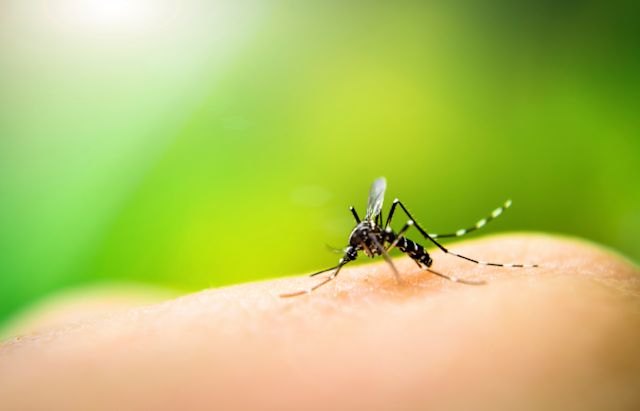
The Zika virus is spread to humans primarily through mosquito bites from an infected Aedes species mosquito. Most people who are infected won't have symptoms or will experience only mild symptoms like fever and rash. People who are pregnant, however, may experience much more troubling effects.
During pregnancy, the virus can be transmitted to a developing fetus. This can cause a birth defect called microcephaly as well as other severe fetal brain defects. Microcephaly is a condition in which a child is born with an underdeveloped brain and skull.
During the 2015 outbreak, Zika-associated birth defects occurred in about 5 percent of babies born to U.S. women with confirmed or possible Zika infection, according to the Centers for Disease Control and Prevention (CDC).
Other birth defects are more commonly reported. These include optic nerve abnormalities, damage to the back of the eye, and larger-than-normal fluid spaces in the brain. In children and adults, Zika also appears to be linked to Guillain-Barre Syndrome, a neurological condition that can temporarily cause weakness and even paralysis.
There is no vaccine to prevent Zika or medication to treat it if you contract the virus. That’s why prevention is the best defense. Here’s what you can do to lower your risk:
Prevent mosquito breeding
Dump (and scrub away) standing water
Female Aedes mosquitos lay hundreds of eggs at a time, usually along the walls of containers filled with water. That includes potted plants, swimming pools with inadequate filters, toys, or even trash containers. It takes about a week for eggs to hatch, so at least once a week, dump out these containers and scrub their sides to remove any eggs that may remain. This will reduce the risk of Zika and generally help lower the nuisance of mosquitoes.
Protect the septic tank
Mosquitos like to lay eggs in septic tanks, too, so it’s important to properly maintain septic tanks to prevent the breeding of the insects. Make sure you don’t have any cracks in or spaces between blocks covering your septic tanks. You should also put screen covers—with wire mesh too small for mosquitos to pass through—over any ventilation pipes coming from the tank. If you have an abandoned septic tank, fill it in with dirt to eliminate the hazard.
Keep bugs out of your home (and stay away from theirs)
Ensure all windows have intact screens or use air conditioning
Whenever Zika is a threat, it's important to keep windows closed as much as possible. Aedes mosquitos bite during the day and in the evening, so make sure screens are intact. A cool, air-conditioned house will also be unfriendly to mosquitos, which prefer warm temperatures.
Watch your travel
Since 2019, there have been no reports of Zika virus transmission by mosquitos in the continental U.S., according to the CDC. Other parts of the world, however, have experienced Zika outbreaks at various times. If you’re planning to travel internationally, check out the CDC's Zika travel page for up-to-date info on outbreaks.
Practice safe sex
Zika can be passed via sexual transmission, according to the CDC. That means it’s important not to have unprotected sex for at least 3 months with a male who has traveled to a part of the world experiencing a Zika outbreak.
Keep the bugs from biting you
Use insect repellent
The CDC recommends using insect repellents registered with the U.S. Environmental Protection Agency that contain one of the following active ingredients:
- DEET
- Picaridin
- IR3535
- Oil of lemon eucalyptus
- Para-menthane-diol
- 2-undecanone
At 30 percent concentration, DEET is the most effective deterrent and the easiest to find in stores. The CDC notes that these ingredients are safe and effective for pregnant and breastfeeding women when used as directed. Note, however, that oil of lemon eucalyptus and para-menthane-diol should not be used in children under 3 years of age.
Dress for (insect-protected) success
Wear long sleeves and pants pretreated with permethrin or treat your own clothes with permethrin before wearing them. (Don't apply permethrin to skin, only to clothing.)
Combine defenses
The best repellent protection is a combination of these strategies, according to the CDC. Wear a long-sleeved shirt and pants treated with permethrin and then apply insect repellent to any exposed areas of skin, taking special care when applying repellent to children.
