Updated on August 22, 2025.
When you can feel that your throat is burning and sore before you even open your eyes in the morning, you know something is wrong. Could it be strep throat—a bacterial infection that can make your throat feel sore, scratchy, and very painful when swallowing?
Well, if you also have head congestion, a runny nose, watery eyes, and a cough, then it is likely something else, like the flu or COVID, or a simple upper respiratory infection, such as the common cold. The flu and COVID are potentially serious illnesses. If you suspect either one, you should monitor your symptoms and see your healthcare provider (HCP) if they become severe. Colds may be less serious but they can make you feel lousy for about a week.
Most sore throats are not strep. But if a very sore throat and a fever seem to be your main or only symptoms, you may have this potentially serious infection caused by the Streptococcus bacteria. And you should be tested for it by a HCP.
Strep throat in children vs. adults
Though strep throat is common among children, especially those ages 5 to 15, it’s rarer in adults. About 3 in 10 children with sore throats have strep, according to the Centers for Disease Control and Prevention (CDC). On the other hand, only about 1 in 10 adults with a sore throat has strep.
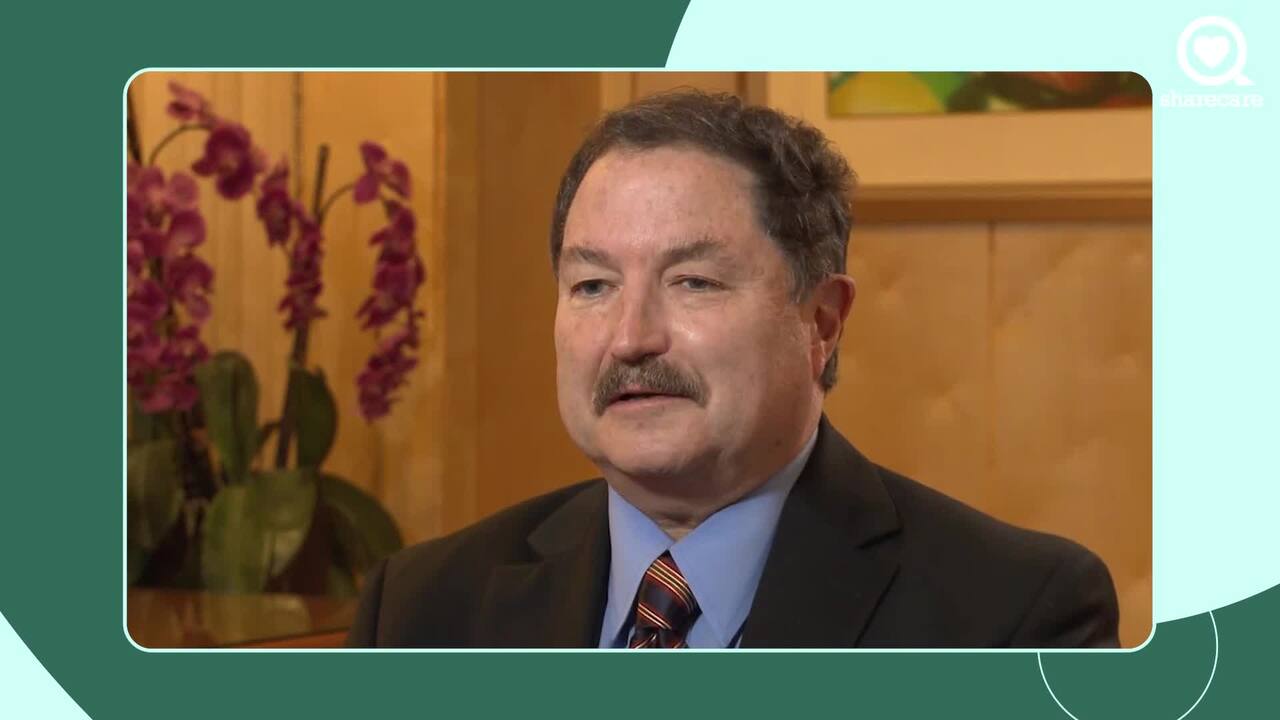
“In my practice, I may see five or six adults a year who have strep, but I see plenty of kids with strep,” says Kathryn A. Boling, MD, a family medicine specialist in Lutherville, Maryland.
“But many adults with throat pain just assume it’s strep,” says Dr. Boling. “And since we’re in an age of instant gratification, as soon as a patient gets a sore throat, they come right in expecting me to make it go away—and fast.”
The symptoms of strep throat
How do you know whether your sore throat is strep? The following symptoms can signal the bacterial infection, says Boling:
- Pain comes on quickly, can be severe, and it hurts to swallow.
- Lymph nodes under your chin on the sides of your neck are swollen.
- You have a fever over 101°F. Adults may not necessarily present with a fever but can still have strep and should see their HCP if they have other symptoms of strep.
- There are white patches or streaks of pus in the back of your throat.
You may also feel generally sick. You might even feel nauseated or have stomach pain (more common in kids than adults). However, even if you have all these symptoms, there’s still a good chance it’s something else—and not strep throat.
Sore throat and other strep-like symptoms, such as fever and nausea, are also symptoms of COVID. Other common COVID symptoms include muscle aches, headaches, fatigue, and a loss of smell. It’s important to get tested to rule out this possibility.
How to treat a sore throat—and strep throat
If your sore throat is accompanied by general cold symptoms—congestion, runny nose, a cough, watery eyes, and either a low fever or no fever—then follow the typical routine for dealing with an uncomplicated cold. This includes supportive care like getting rest, drinking to stay hydrated, and taking over-the-counter fever-reducers, such as acetaminophen, as directed on the label. “Rest and drink plenty of fluids—hot tea with honey and lemon is especially soothing,” advises Boling, “or try a bowl of soup made with clear broth."
“If you suspect strep, see your healthcare provider,” recommends Boling. “They can give you a rapid strep test which will immediately detect the bacteria. It’s important to have strep diagnosed and treated with an antibiotic,” she says, “because untreated strep can escalate into strep pneumonia, an ear infection, or a sinus infection. Untreated strep is especially dangerous for children.
“In children, untreated strep can develop into rheumatic fever, which affects the heart,” Boling says. It’s best to treat it with an antibiotic such as amoxicillin or penicillin. "After 24 hours of taking the medicine, you’re no longer contagious," says Boling, "which is important if you’re taking care of older adults, people with weakened immunity, or younger children."
“In fact, anyone who has strep should avoid being around people with a weakened immune system, including pregnant women, people with HIV, anyone undergoing chemotherapy treatments, and frail older adults," Boling adds.
Whether you have a case of strep or throat soreness stemming from another illness, it’s important to keep the illnesses from spreading. The CDC recommends that you:
- Wash your hands with soap and warm water often, especially if you’re around others who may be sick.
- Cover your nose and mouth when sneezing.
- When using hand sanitizer, rub it into your hands completely and let it dry.
- Avoid sharing food, utensils, glasses, and even your cell phone, with others while you’re feeling unwell.
To protect other people, consider wearing a mask when you’re ill, as well.