Updated on October 22, 2025.
The flu often comes with symptoms like fever, body aches, chills, and congestion. They can last for days, and some may get so severe that medical help becomes necessary. Still, less than half of adults in the United States opt to receive the flu vaccine each year, according to the Centers for Disease Control and Prevention (CDC). Last year, there were at least 43 million confirmed cases of the flu, according to end of season estimates from the Centers for Disease Control and Prevention (CDC). The CDC also reports that only 46.7 percent of adults, and only 49.2 percent of children got a flu shot.
There are many reasons a person might skip vaccination. They may believe the shot doesn’t work or have concerns about its safety. They might think healthy people don’t need a flu shot, or that having the flu itself is a better option. They might simply forget.
With that in mind, here are four common rationales for passing over the flu shot—and why it’s a wise idea to be vaccinated.
Excuse: “I’m healthy. I don’t need the flu shot.”
“Anyone can get the flu,” says Radhika Vayani, DO, an internist in Fort Worth, Texas. And thousands of people die from the flu each year. During the 2024-2025, flu season, at least 5600,00 were hospitalized, and 38,000 died from the flu or related complications, according to the end of season estimates from the Centers for Disease Control and Prevention (CDC). But the number of flu cases could be as high as 73 million and the death toll from the latest flu season may be as high as 99 thousand people, the CDC reports.
And the flu shot prevented those numbers from climbing even higher. The CDC also estimates the flu shot prevented at least 9.4 million infections, at least 170,000 flu-related hospitalizations, and up to 39,000 deaths during the 2024-2025 season.
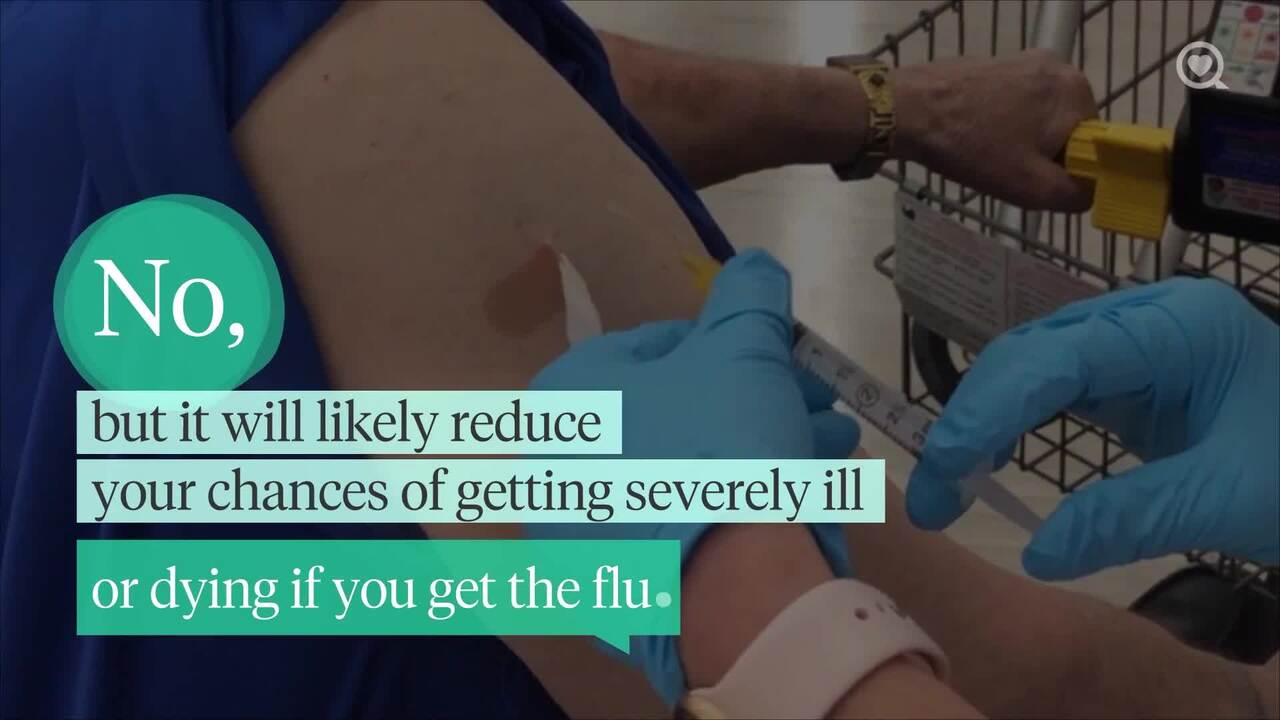
That’s why experts recommend that people ages 6 months and older get a flu shot each year, ideally in September or October. It can lower your risk of becoming ill and reduce the severity of symptoms if you do get sick.
It also helps to safeguard your family, friends, and community. “Getting the vaccine is about protecting yourself, but it's also about protecting the people around you,” Dr. Vayani says. Those most at risk of flu-related complications include babies and young children, older adults, pregnant people, and those with chronic health issues.
Excuse: “It’s too late to get the flu shot.”
While experts generally advise people to get the shot as soon as it becomes available, the vaccine is helpful throughout flu season, which usually peaks between December and February and can last as last as late as May.
Excuse: “ The flu shot gives you the flu.”
“I hear this myth about ten times a day,” says Vayani. "It's impossible. The vaccine is made from viruses that aren't active."
Once you have the shot, it takes about two weeks to build immunity. During that time, you may feel flu-like side effects, such as headaches or mild fever. And there's always the chance that you may come down with the flu if you were exposed to it right before or after the shot, before your body's had time to develop immunity.
Excuse: “Why should I get the shot? There are drugs that treat the flu.”
If you become infected and are prescribed antiviral medication, it can ease symptoms and may shorten the illness by one or two days. It’s important to remember, however, that they’re not a cure-all, and they’ve been known to cause side effects like nausea and diarrhea, says Vayani. Her advice is to lower your risk of getting the flu altogether by getting the vaccine.
If you do catch the flu, see your healthcare provider right away, she adds. The sooner you get tested and diagnosed, the sooner you can start medication and begin to feel better. The medicine is especially important for people at high risk of complications from the flu, such as older people and those with weakened immune systems.