Back to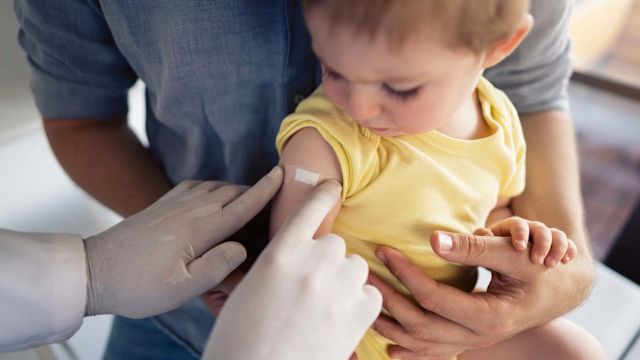
Updated on April 24, 2025
Respiratory syncytial virus (RSV) is a virus that infects the airways. Most cases of RSV cause cold symptoms—runny nose, congestion, coughing, sore throat, sneezing, decreased appetite, low fever. Most people will have been infected with RSV by the time they reach 2 years of age.
While most cases of RSV are mild, RSV can also cause severe infections that spread to the bronchial tubes and lungs, including pneumonia. Many of these severe cases occur in infants and children.
Each year in the United States, RSV infections send millions of children under the age of 5 to healthcare appointments and cause tens of thousands of hospitalizations. Infants under 6 months old, children born pre-term, and those with lung conditions, congenital heart conditions, neuromuscular disease, or compromised immune systems face higher risk for severe RSV. However, RSV can also lead to hospitalizations in children without these risk factors. There is also evidence that severe RSV infections can raise the risk of long-term health issues, including childhood asthma and allergies.
The Centers for Disease Control and Prevention (CDC) recommends two main approaches to preventing severe RSV illness in newborns and infants. One is maternal vaccination. The other is monoclonal antibody treatment.
Here, we take a look at when these preventive therapies are recommended, and a closer look at how monoclonal antibody treatment works.
Maternal RSV vaccination
Pregnant individuals are now encouraged to receive a single dose of RSV vaccine between 32 and 36 weeks of pregnancy during RSV season. The antibodies created in response to this vaccine pass to the baby and help protect the child from RSV during the first few months of life—the time when a child faces the greatest risk for severe RSV infection. However, maternal vaccination does not provide long-term immunity and will lose effectiveness over time.
When is RSV season?
Typically, RSV infections increase in fall, peak during winter, and decrease in spring. However, RSV seasons can vary depending on geographic location, and it's worth checking the CDC's website or talking to your healthcare provider for up-to-date information.
Monoclonal antibody treatment
Infants who did not receive RSV protection through maternal vaccination can receive a monoclonal antibody that protects against RSV. The dose of anti-RSV monoclonal antibody should be given right before or right at the start of RSV season. It is recommended for:
- All infants younger than 8 months who are entering their first RSV season and did not receive adequate maternal immunization
- Some children ages 8 to 19 months who are at high risk for severe RSV (such as those with chronic lung disease or congenital heart disease) and are entering their second RSV season
An older monoclonal antibody therapy required doses throughout RSV season and may be used in some cases.
What is a monoclonal antibody?
An antibody is a protein the body's immune system produces in response to an infection, like a virus. Antibodies will attach to viruses, preventing viruses from infecting cells and marking the virus as something the immune system needs to get rid of. Monoclonal antibodies are lab-produced antibodies that can be delivered to the body with an injection.
Unlike vaccines, which prompt the immune system to start making specific antibodies, monoclonal antibodies work immediately after the injection. However, monoclonal antibodies do not provide long-term immunity.
Your best source of information
For information about the risk of severe RSV infection, RSV vaccination, monoclonal antibody treatment, and steps to protect a child from RSV, a healthcare provider will be your best source of information.