Updated on August 7, 2025.
Transthyretin amyloidosis (ATTR) is a rare medical disorder where a type of protein called transthyretin (TTR) becomes structurally unstable. The unstable TTR breaks apart, the pieces (subunits) misfold into abnormal shapes, and the misfolded subunits stick together to form deposits called amyloid deposits. These deposits can accumulate in different organs and tissues throughout the body and cause a number of serious health problems.
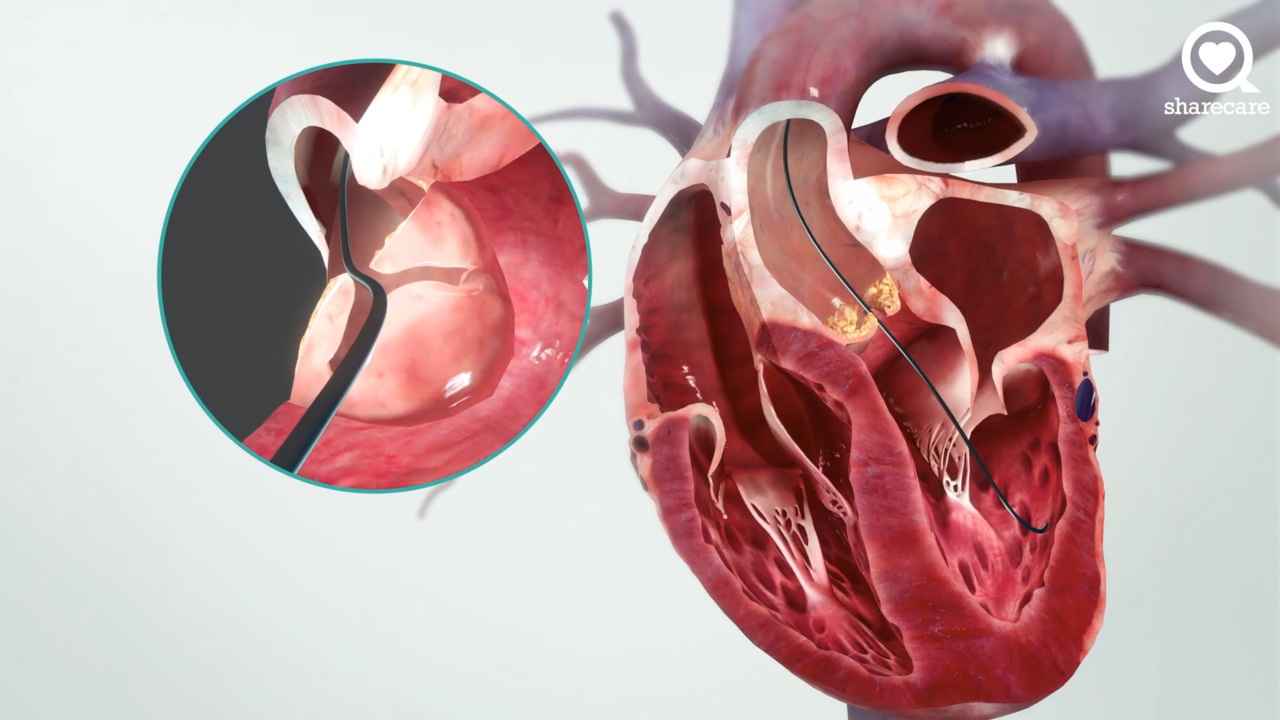
Transthyretin amyloid cardiomyopathy (ATTR-CM) occurs when TTR amyloid deposits accumulate in the cardiac muscle, the muscle tissues that make up the heart. This causes cardiomyopathy, a thickening and stiffening of the heart muscle that can affect the heart’s ability to pump blood. ATTR-CM can occur due to genetic mutations (hereditary ATTR-CM) or without genetic mutations (wild-type ATTR-CM).
What happens if ATTR-CM is untreated?
ATTR-CM is a progressive condition. This means that over time, the amount of amyloid deposit in the cardiac muscle will increase, the abnormal thickening of the cardiac muscle will become worse, and the heart will function less well.
ATTR-CM can lead to several serious complications, including:
- Heart failure. This occurs when the heart is no longer pumping blood as effectively as the body needs it to. As a result, organs and tissues may not have enough oxygen-rich blood to function normally, and blood can back up into other areas of the body. Heart failure can lead to many other complications.
- Arrhythmias are abnormal heart rhythms. The most common type in ATTR-CM is atrial fibrillation, which can cause the heart to beat irregularly and/or much faster than normal. It can also cause slow heartbeat and severely low blood pressure.
- Conduction system diseases. Heartbeat rhythms are regulated by electrical impulses generated by the cardiac conduction system, which is essentially the heart’s electric system. Conduction system diseases occur when there is a problem with how these electrical impulses travel through the heart.
- Sudden cardiac death. This can occur if the heart becomes completely blocked or a fatal arrythmia occurs.
As symptoms and complications worsen, a person will lose the capacity to function in their everyday life and experience a decrease in the quality of their life. Complications and worsening symptoms are more likely to occur and more likely to get worse when ATTR-CM is left untreated.
How can ATTR-CM be treated?
Treatment for ATTR-CM is typically overseen by a cardiologist, ideally a cardiologist that is a part of a multidisciplinary team that specializes in the care of amyloidosis.
Treating ATTR-CM is different from treating other types of heart disease, and it is important to work with healthcare providers who have experience treating this specific condition. Mentioned above, heart failure is a complication of ATTR-CM. However, medications that are commonly used in the treatment of heart failure are often poorly tolerated in people with ATTR-CM.
In past decades, treatment options for all types of ATTR were extremely limited, but options have improved significantly in recent years. For many years, liver transplants were the only available treatment option for ATTR (and only hereditary forms of ATTR). Because the abnormal TTR protein is produced in the liver, removing the liver could remove the source of this protein from the body.
Starting in 2019, several medications for ATTR-CM have become available, and medications are now considered a main treatment option. Currently, medications used in the treatment of ATTR-CM prevent TTR proteins from misfolding, which slows or stops the progression of the disease. While this can prevent further amyloid buildup, current treatments cannot reduce existing amyloid deposits. Because these medications work by slowing progression, it’s recommended that a person begin treatment with one of these medications as early as possible.
A treatment plan will also include therapies to help manage arrythmias, heart failure, or other complications. This may include lifestyle changes, changes to diet, and medications. If you or a loved one is living with ATTR-CM, the most important thing you can do is work with a healthcare provider and follow your treatment plan.
Other therapies for ATTR-CM are under development, and it’s always worth talking to your healthcare provider about new and emerging treatment options.