Updated on January 23, 2026.
If you often reach for a soda or sugary sweet tea to quench your thirst, it could be time to break the habit. Consuming too many drinks with added sugars is linked to inflammation, weight gain, and a host of chronic health conditions, including:
- Obesity
- Gout
- High blood pressure
- Heart, kidney, and liver disease
- Type 2 diabetes
- Tooth decay
Some cancers are related to weight gain, such as colorectal and kidney cancer. Since sugar contributes to extra weight, too many sweetened beverages may also increase the chances of dying from these cancers.
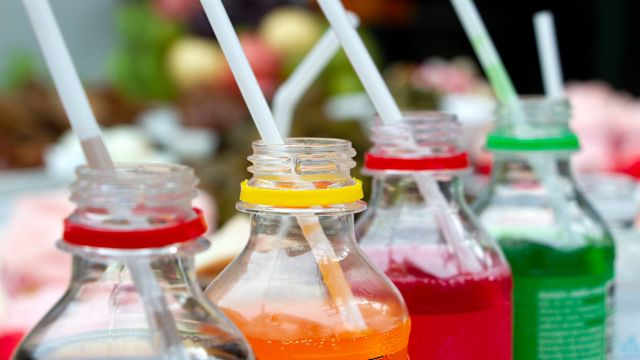
Sugar-sweetened beverages include sodas, fruit drinks and punches, energy drinks, sports drinks, and some specialty coffee and tea drinks. About half of adults in the United States consume at least one on any given day, according to the Centers for Disease Control and Prevention (CDC). Many consume more than that. That’s a problem, because the more added sugar you drink, the worse it may be for your well-being.
Fortunately, you can take steps to cut back on sodas and other sugary drinks. Here’s what to know.
What you can drink instead
The American Heart Association (AHA) recommends limiting added sugars to less than 6 percent of your calories each day. That’s about 6 teaspoons of sugar (100 calories) per day for most women and about 9 teaspoons (150 calories) per day for most men. Just one 12-ounce can of soda can contain 10 teaspoons of sugar, or 160 calories.
That means cutting back on sugary drinks can lead to big benefits. To reduce your consumption, start small. Begin swapping out one sugary drink per day with the following alternatives.
Water
Whether it’s still or bubbly, water is the best drink for your health. Add fresh fruit to give it more flavor. If you crave the carbonation of soda, try switching to seltzer. In addition to the hydrating benefits, water may help people feel fuller when they drink it with meals.
Coconut water
Low in calories and high in minerals like potassium, coconut water can be a wise choice to replace sugar-laden drinks. Read the label to be sure it is 100 percent coconut water and free of added sugar.
Coffee and tea
Moderate consumption is safe—even beneficial—for most people, but some may have conditions (like anxiety) that require them to avoid caffeinated coffee. If you’re used to sweetened coffee, try to gradually cut back on added sugars, syrups, and sweetened creamers.
Similarly to coffee, drink your tea with no added sugars. If you love iced tea, make your own unsweetened version. Add a squeeze of lemon for an added burst of flavor. Better yet, switch to hot black or green tea. There is some evidence that both drinks can reduce the risk of heart disease.
Low-fat milk
Dairy can be part of a heart-healthy diet. Instead of drinking soda or juice, look for low-fat or skim milk to limit saturated fat, which can be found in higher quantities in full-fat or whole milk. Getting too much saturated fat in your diet can increase the risk of heart disease.
Smoothies
There are countless ways to make a healthy smoothie without added sugars. Toss your choice of fresh fruits and veggies into the blender and add water or low-fat milk or a dairy alternative. Try blending in Greek yogurt, nut butters, or even tofu for protein. Smoothies can be calorie-heavy, so stick to one per day, as a meal or snack.
What about artificially sweetened beverages?
It may seem like swapping sugar-filled drinks for artificially sweetened ones is a wise idea. After all, many artificial sweeteners are approved by the U.S. Food and Drug Administration (FDA) and recognized as safe. Drinks containing them often have few or no calories. Some evidence suggests that replacing sugar-sweetened drinks with artificially sweetened drinks may help with short-term weight loss.
But these beverages don’t offer nutritional benefits—and some research points to health issues. A number of studies have linked regular consumption of artificially sweetened drinks to higher risk for obesity, high blood pressure, type 2 diabetes, heart disease, and even death. Their effect on inflammation in the body may play a role.
Studies on artificially sweetened beverages are ongoing, however. If you have one or more day, consider cutting back. The best change you can make is swapping them for water or other low-sugar drinks.
In the meantime, keep your healthcare provider (HCP) informed if about any major dietary changes. During your next physical, tell them if you drink a lot of soda or other sugar-sweetened beverages so they can monitor your health.