Updated on July 1, 2025.
Sudden cardiac arrest (SCA) is like a power outage in your heart. If left untreated, sudden cardiac death can occur within minutes. But can it be avoided? The answer is complicated, but identifying your risk factors is key to prevention.
“I like to tell my patients that there are never really any guarantees in medicine—but with proper risk analysis, we can usually mitigate and improve a person's chance of avoiding the event,” says Vinayak Manohar, a cardiologist in Grand Rapids, Michigan.
Causes of sudden cardiac arrest
SCA is often caused by an irregular heartbeat or arrhythmia, most commonly ventricular fibrillation. The arrhythmia causes the heart to rapidly misfire and beat irregularly, rendering it unable to pump blood to the brain and organs. Other potential causes include the following.
Certain health conditions
Coronary heart disease, or plaque build-up in the coronary arteries, is the number one cause of SCA in adults. In more than half of patients with known coronary heart disease, SCA is the cause of death. Other conditions, like a heart attack, can disrupt the heart’s electrical signals.
Structural damages
An enlarged heart, valve problems, and heart infections can also cause SCA. Left ventricular hypertrophy, a structural heart disease where the left chamber becomes thickened, is one structural issue that can contribute.
Genetic disorders
Hypertrophic cardiomyopathy, which causes the walls of the heart to thicken, is usually an inherited genetic disorder and the most common cause of sudden cardiac death among people under 30. An inherited heart rhythm disorder can also increase your risk.
Severe stress
Stress triggers the sympathetic nervous system, which initiates the body’s fight or flight mode. If the stress is severe enough, it can cause SCA.
Signs of sudden cardiac arrest
Clues that someone is experiencing SCA include:
- Sudden fainting
- Loss of consciousness
- No pulse
- No breathing
Sometimes, a person will experience symptoms preceding the event, such as:
- Nausea
- Dizziness
- Chest pain
- Vomiting
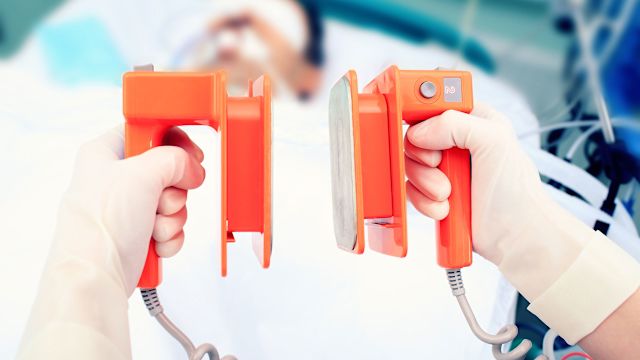
If left untreated, SCA can lead to death within minutes. However, there’s a 90 percent chance a person will survive sudden cardiac arrested if a defibrillator is administered within the first minute of the event. That percentage drops every minute the person goes untreated.
The bottom line? Performing CPR and using a defibrillator immediately can save someone’s life.
Preventing sudden cardiac arrest with a heart condition
For people with heart conditions like coronary heart disease, prevention comes down to exercise and dietary considerations, in addition to medication, says Manohar. Your healthcare provider (HCP) may prescribe you beta-blockers, and possibly other medications, which help slow your heart rate down, improve blood flow and reduce blood pressure. It’s important to take these medications consistently. It’s also imperative to follow a heart-healthy lifestyle—even if you’re already on medication.
Preventing repeat episodes of sudden cardiac arrest
If you’ve had a SCA before, speak with your HCP to find out the best ways to prevent another episode. They may decide to implant a cardioverter defibrillator, which sends an electric shock to your heart when it senses an irregular heartbeat. “If you go into a subsequent episode of SCA, a defibrillator it will snap you out of it,” says Manohar. Medication might be prescribed in addition to the defibrillator.
Lifestyle changes for a healthier heart
There are certain lifestyle changes you can make to reduce your risk of SCA—regardless of your current heart health. These include the following.
Kick a tobacco habit
Quitting smoking substantially decreases your risk of death from SCA. In a December 2012 study published in Circulation: Arrhythmia and Electrophysiology, researchers analyzed data from over 100,000 women who had no known risk of cardiovascular disease or cancer. For every five years that the women continued to smoke, their risk of sudden cardiac death rose by eight percent. Conversely, after 20 years, the risk for women who quit smoking was comparable to women who had never smoked.
Start an exercise program—slowly
If a person who is sedentary suddenly starts a high intensity exercise program, their risk of sudden cardiac arrest increases compared to somebody who's fit who does a high intensity workout, says Manohar. If you’re not a regular exerciser, talk to your HCP about how to slowly ramp up your intensity over time.
Limit or avoid alcohol
Drinking more than the recommended amount of alcohol has been associated with some heart rhythm abnormalities and complications, says Manohar. If you drink, do so in moderation. For women, this means no more than one drink per day, and for men, up to two, according to the Centers for Disease Control and Prevention.
Listen to your heart
Visit your HCP's office or local health fair to have your cholesterol, blood pressure, and heart beat checked. Being proactive and detecting any heart abnormalities or risk factors early can help you later on.