Updated on August 7, 2025.
Transthyretin amyloidosis (ATTR) is a disorder characterized by the buildup of abnormal protein deposits that disrupt the normal functioning of organs and tissues. It occurs when something goes wrong with the production of a type of protein called transthyretin (TTR).
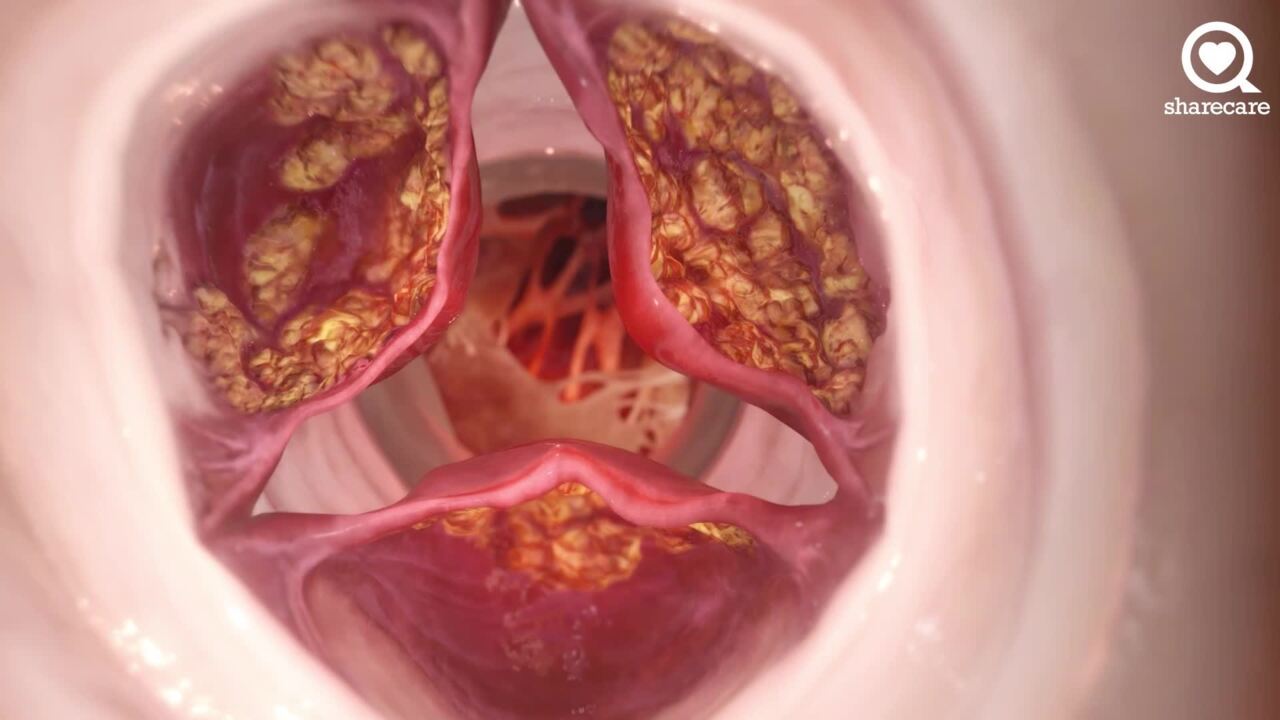
TTR is a transporter protein that helps move certain vitamins and hormones through the body. It is produced in the liver. When a person has ATTR, this protein becomes unstable. These unstable TTR proteins break apart, misfold into abnormal shapes, and clump together with other proteins to form deposits that build up in tissues and organs.
Some types of ATTR occur due to genetic mutations that are inherited from a person’s biological parents (hereditary ATTR), which cause the liver to produce mutated TTR. Other types occur due to age-related changes in the body (wild-type ATTR), which result in unstable TTR that is prone to misfolding.
ATTR is considered underdiagnosed and underrecognized. This is partly due to the fact that ATTR is a relatively rare condition, with symptoms that overlap with many more common conditions.
What are the symptoms of ATTR?
Depending on where amyloid deposits form, different symptoms and complications can occur. There are two main forms of ATTR:
ATTR peripheral neuropathy (ATTR-PN)
ATTR-PN is a type of hereditary ATTR that occurs when amyloid deposits accumulate in the peripheral nervous system. The peripheral nervous system refers to any nerves outside the brain and spinal cord, including nerves that control movement, sensory input, and autonomic processes (like breathing, heartbeat, blood pressure, and digestion).
Early symptoms can include tingling, numbness, and burning pain. But loss of temperature and pain sensation can also occur (and are more common in people who are older). Other symptoms can include muscle weakness, changes in motor control, and muscle loss.
ATTR-PN that affects the autonomic nervous system can cause:
- Very low blood pressure, resulting in symptoms like dizziness or fainting while standing up, light-headedness, confusion, and blurred vision.
- Carpal tunnel syndrome, caused by nerve problems in the hands, with symptoms that can include pain, tingling, numbness, and weakness. This usually occurs in both hands.
- Gastrointestinal symptoms such as nausea, diarrhea, constipation, and issues with bowel control.
- Recurring urinary tract infections and issues with sexual function.
ATTR cardiomyopathy (ATTR-CM)
ATTR-CM occurs when amyloid deposits accumulate in the cardiac muscle, the muscles that make up the heart. This causes the cardiac muscle to thicken and stiffen, which can affect the heart’s ability to pump blood. This can lead to heart failure, an inability of the heart to pump blood effectively enough to support the body’s needs.
ATTR-CM can be hereditary or wild-type. Wild-type ATTR-CM typically begins in a person 70s or 80s. Symptoms of hereditary ATTR-CM begin at younger ages (sometimes as young as 20 ) but more commonly in a person’s 50s or 60s.
Some people may have no symptoms. When symptoms do occur, they can include:
- Symptoms of heart failure, such as shortness of breath, swelling/fluid buildup in the legs (edema), and reduced capacity for exercise and activity.
- Arrhythmia, or abnormal heartbeat. The most common form is atrial fibrillation (AFib), with symptoms that include heart palpitations and fatigue.
ATTR-CM can lead to serious complications, including sudden cardiac death.
ATTR can affect other organs and systems
With ATTR, the buildup of protein deposits is not limited to the peripheral nerves and the cardiac muscle. TTR deposits also occur in other organs and tissues throughout the body, including the kidneys, eyes, gastrointestinal tract, the spinal column, and other joints. There is also a type of ATTR that affects the central nervous system, called leptomeningeal ATTR.
Your best source of information about symptoms
If you experience any of the symptoms described above—or other symptoms that you are concerned about that are not directly described above—the best thing to do is to make an appointment with a healthcare provider. There is no substitute for the information that can be provided by exams, tests, and consulting with a healthcare provider.