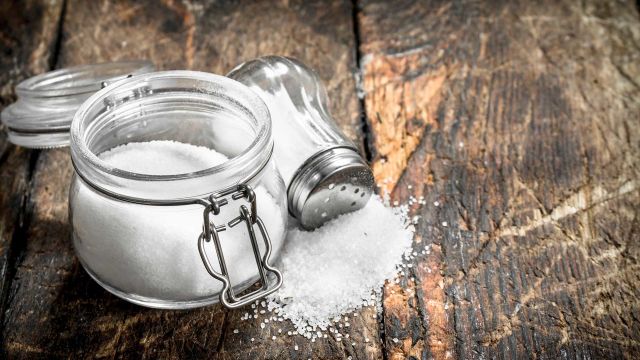
A low-salt diet has long been touted for lowering blood pressure and improving heart health. But one study from researchers at McMaster University and Hamilton Health Sciences in Ontario, Canada concluded that whether you have high blood pressure or not, a low-salt diet may actually increase your risk of cardiovascular disease and death compared to average sodium intake. The investigators further reported that people who benefited the most from reducing salt are those who have hypertension and eat high-sodium diets (more than 6,000 mg/day).
Sharecare spoke with cardiologist Amy Barley, DO, of Presbyterian/St. Luke’s Medical Center in Denver, Colorado, about the findings.
Can a low-salt diet really hurt our health?
Dr. Barley: In general, the answer is no. There have been multiple studies showing that if you reduce your sodium intake anywhere from 500 to 1,000 milligrams a day, regardless of what your baseline intake was, it can lower your blood pressure by an average of five points. This confers an approximate 15 percent to 20 percent decrease in all cause mortality. That's been shown a number of different times in studies incorporating multitudes of different patients.
What’s the recommended amount of sodium the average person can safely consume?
Dr. Barley: In general, a daily diet that contains 2,300 and 3,000 milligrams is plenty.
Can a low-salt diet benefit those with certain health conditions?
Dr. Barley: Patients with high blood pressure or chronic kidney disease should absolutely consume a low-salt diet. Those with diabetes can lower their progression and people with congestive heart failure can also benefit from a low-salt diet. There’s lots of evidence that if you have diabetes, chronic kidney disease or high blood pressure, reducing your intake and eating no more than 2,300 or 3,000 milligrams of salt per day can improve overall outcomes and reduce your risk of hospitalization and death.
What else do we need to know about low-salt diets?
Dr. Barley: I think when people think of salt they normally think of the salt that they add to their food and I don’t think most people in America realize how much salt, or sodium I should say, they consume on a daily basis. Many patients will tell me that they don’t add salt to anything. I tell them that the food they inherently eat, if they’re eating what’s considered a “typical American diet,” already contains 3,000 to 5,000 milligrams of sodium a day, which is very high.
Being conscious of prepared and highly processed foods is exceptionally important for a multitude of reasons. Typically, those foods also contain higher amounts of sodium and sugar.
Patients will tell me they use sea salt and think that’s better. It’s still a high-sodium diet. It’s best to avoid adding additional salt to your foods. Eat more natural foods and less highly processed foods ad that will help you decrease your salt intake.