Updated on June 30, 2023.
By 2060, an estimated 14 million older adults in the United States will be living with dementia, which affects not only memory, but also decision making and overall ability to perform daily activities, according to the Centers for Disease Control and Prevention. Alzheimer’s disease—the most common type of dementia—currently affects 6.7 million Americans of all ages.
Despite its rising prevalence, dementia isn’t a normal or inevitable part of aging. But this fate is a common concern among adults, particularly those approaching older age, according to a 2019 poll conducted by the University of Michigan Institute for Healthcare Policy and Innovation.
Researchers surveyed 1,028 people between 50 and 64 years of age about brain health and found that nearly half were worried about facing memory loss or dementia. They also found that most did not discuss these concerns with their healthcare provider (HCP)—but 73 percent of the participants did try various strategies to protect their brain, including doing mentally stimulating games, like crossword puzzles, or taking brain health supplements.
In fact, 48 percent reported taking some type of vitamin or supplement to boost memory, and 32 percent used fish oil or omega-3 supplements, the research showed.
This isn’t just one poll suggesting that taking vitamins for brain health is widespread among adults. The 2021 AARP Brain Health and Supplements Survey also found that 21 percent of U.S. adults aged 50 and older take at least one of these products.
But do over-the-counter brain health supplements really help sharpen fuzzy thinking or boost mental alertness? Could they really help stave-off mental decline, or even Alzheimer’s?
The short answer: It’s unclear. There is little scientific evidence about the effectiveness of brain-health supplements. We do know they’re not risk-free.
Another important truth: You should not take supplements of any kind, including those labeled as “all-natural,” without talking to your healthcare provider (HCP) about it first.
Supplements aren’t regulated
The U.S. Food and Drug Administration (FDA) hasn’t approved any supplement to prevent dementia or slow its progression, cautions Kinjal Desai, MD a vascular neurologist and neurointensivist in Texas.
The agency doesn’t regulate dietary supplements in the same way that it controls prescription and over-the-counter medications. That means health officials do not test supplements for safety or effectiveness, and they could contain harmful hidden ingredients. Brain supplements also can’t be advertised as treatments for diseases, such as Alzheimer’s, but many are marketed as being beneficial for mental focus and memory—claims that aren’t backed by iron-clad research.
Understanding the claims
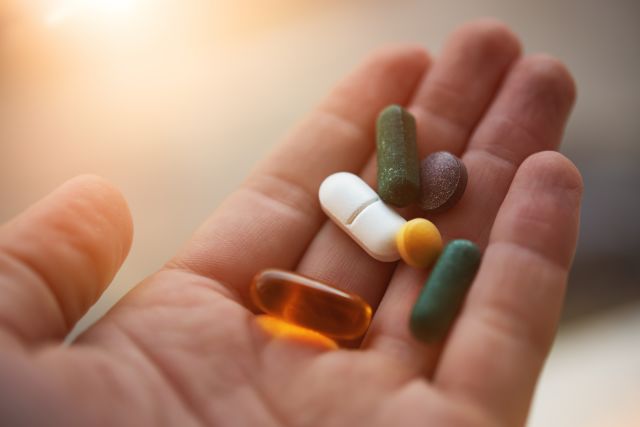
What is a brain supplement anyway? Most of these products focus on a few key nutrients that are usually included as part of an overall, heart-healthy eating plans—such as the Mediterranean and DASH diets—which have been associated with greater longevity. Among these nutrients:
Omega 3 fatty acids. Some studies suggest that eating fish—particularly fatty fish, like salmon and sardines—and other seafood is associated with reduced risk for cognitive decline. But omega-3 fatty acid supplements, also known as fish oil, don’t appear to do the same thing.
A large 2015 study sponsored by the National Institutes of Health failed to show that taking the omega 3 fatty acid supplements DHA and EPA could help slow mental decline. Other smaller studies have hinted at the possibility that DHA supplements may be beneficial for those with mild cognitive impairments, but more research is needed before a recommendation could be made.
B vitamins. Healthy levels of certain B vitamins, such as B-12, B-9 (folate or folic acid), and B1 (thiamine) are essential for brain health. B12 deficiency can cause reversible cognitive impairment. A deficiency in these vitamins has been linked to mental decline and dementia later in life. A 2019 analysis of 31 trials involving those with and without cognitive impairment published in Drugs & Aging found no conclusive evidence however that B-vitamin supplementation was associated with a brain benefit.
Meanwhile, most people get adequate amounts of these vitamins through their diet alone. Folate is found in a wide range of brain-healthy foods, particularly dark leafy greens, fruits, nuts, beans, peas, meat, poultry, seafood, grains and dairy products. Vitamin B12 is found mainly in animal products, such as fish, meat, poultry, eggs, and other products but it’s often added to breakfast cereals and other fortified foods. Keep in mind, B12 deficiency is fairly common among older people and those in this age group should ask their doctor if they would benefit from a supplement.
Vitamin E. This antioxidant helps keep your immune system working properly and protect against cellular damage. Some research suggests that getting a lot of vitamin E through your diet is linked to a lower risk for dementia, but there is little evidence that supplements offer the same protective benefit. And while there is no known risk from consuming vitamin E-rich foods, high-dose supplements can increase the risk for internal bleeding. It may be particularly risk for people taking blood thinners, such as warfarin (Coumadin).
Curcumin. This is the ingredient that gives turmeric its bright orange color. The nutrient has been touted as a “superfood” with a range of anti-inflammatory and antioxidant properties. It’s also been linked to improved mood and working memory.
A 2018 review of existing studies published in GeroScience concluded that while short-term curcumin use is generally considered safe, there is not enough evidence to suggest it could help prevent or manage dementia. It’s also important to note that turmeric or curcumin supplements may not be absorbed correctly unless eaten with fatty or oily foods. Combining curcumin with piperine (a major component of black pepper) could also boost its bioavailability, or its ability to be absorbed and used by the body.
Other supplements touted for brain health include ginkgo biloba and coenzyme Q10 (CoQ10) but, once again, there is scant evidence that these products have any actual cognitive benefit.
The bottom line on brain supplements
It’s wise to keep your cash in your wallet, advises the AARP-founded Global Council on Brain Health (GCBH), a group of leading neurologists and other brain experts. A 2019 GCBH report, which reviewed recent research on some well-known brain health supplements, concluded there’s simply not enough evidence that they actually work.
If you are interested in taking a supplement, however, talk to your HCP, Dr. Desai advises. A doctor can give you the best advice on whether a product is right for you based on your health history and any medications you may be taking.
What you should do instead
Rather than spend money or unproven and possibly risky brain supplements, you could focus on what has been shown to improve cognitive function, including the following.
Get moving. Exercise can benefit your brain and overall health by improving blood flow, protecting heart health, and keeping stress hormone levels and inflammation in check. Physical activities such as swimming, walking, and biking, may preserve your brain cells and encourage the growth of new ones. Long-term exercise also may bolster the area of the brain that helps form memories.
Know what foods are good for the brain. Certain diets, which emphasize fruits, vegetables, healthy unsaturated fats, nuts and whole grains, are associated with better brain function. These eating plans are rich in many nutrients used to make so-called brain supplements, but the body may not absorb nutrients from supplements in the same way that it does from food. When consumed as part of an overall healthy diet, nutrients may work together and have synergistic effects, which isn’t the case when consumed as individual supplements.
For brain health, Desai recommends the MIND diet—a combination of the low-salt DASH diet and the Mediterranean diet.
Limit alcohol. Anyone who has had a few drinks, or been around someone who’s been drinking, can attest to alcohol’s affects the brain. In the short term, people may have trouble walking, slowed reaction times, and memory lapses. While these effects may wear off, heavy alcohol consumption is also linked to short- and long-term cognitive impairment and an increased risk for dementia.
While the effects of moderate drinking are less clear, if you don’t drink, it’s best not to start. And if you do decide to imbibe, limit your intake to reduce your risk for a slew of health issues. For women, that means no more than one drink per day. Men should have no more than two daily drinks.
Don’t smoke or vape. Smoking contributes to brain aging, speeds up cognitive problems, and it may even shrink your brain, Desai says. Note that it’s important to avoid all forms of tobacco, including e-cigarettes.
Prioritize sleep. Poor sleep can lead to “brain fog” or reduced mental alertness. It could also lead to more accumulation of beta-amyloid, a protein in the brain associated with impaired brain function and Alzheimer’s disease. Getting seven to nine hours of sleep per night is essential for brain health, Desai says.
Protect your heart health. Good heart health is linked to better brain health. Keeping health issues such as high blood pressure, diabetes, and high cholesterol under control will help protect your brain function over time, as well.
Stay social. There is some evidence that maintaining strong social connections could help keep your mind sharp over time. Research suggests that having a large social network may be associated with a lower risk for dementia and better brain health. While scientists aren’t sure how being social helps, getting out for lunch with friends, watching a game or movies with your pals, or being active in volunteer groups boost your mood and have few downsides, too.
Prevent accidents. A brain injury can increase your chances of developing cognitive problems. Wear a helmet when biking or doing any contact sport. Always use your seat belt in the car, and clear obstacles in your home or workspace that could increase your risk of falling.