Updated on March 26, 2024.
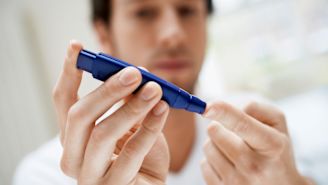
Everyone experiences post-prandial blood sugar spikes—those temporary rises in blood sugar levels after eating—as the sugar from food enters into the blood stream. When you have diabetes, these post-meal blood sugar spikes, as well as the subsequent decreases, can be potentially dangerous.
In the short term, spikes decrease energy, affect brain function, diminish physical abilities and alter mood. Elevated blood sugar is also called hyperglycemia. When blood sugar stays elevated over time, it can lead to early kidney disease and even eye damage, endangering vision. People with type 1 or type 2 diabetes are at higher risk for these complications.
How much blood sugar levels change after a meal depends on how much you eat, what you eat and your body’s response to insulin (a hormone that helps your body use sugar for energy). Below are a few guidelines to help keep blood sugar levels stable.
Choose foods that help control blood sugar
Here are a few things to keep in mind when choosing what to eat:
- Foods high in fiber digest more slowly and can help keep blood sugar levels steady.
- Solid food, cold food and whole foods digest more slowly than liquid, warm or processed foods.
- Avoid foods with added sugar.
- Eat carbohydrates with foods that contain protein or unsaturated fat (which is liquid at room temperature, like canola oil), which can help blood sugar rise more slowly.
- Choose foods with lower glycemic index, which raise blood sugar at a slower rate than those with a high glycemic index; these are less likely to cause spikes. According to the American Diabetes Association (ADA), glycemic index can vary for the same food depending on the source and how it's prepared.
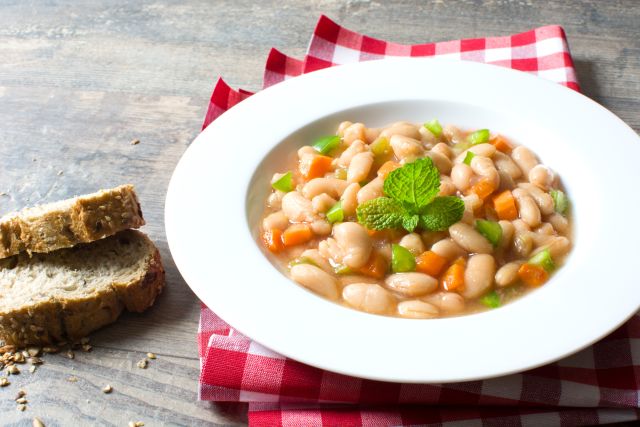
- However, foods with lower glycemic index are not necessarily healthier, so choose whole foods that are natural, raw and unprocessed. In general, whole grains, beans, fruits and vegetables have a lower glycemic index than processed foods.
Change portion sizes
Adjusting portion sizes allows you to still eat the foods you want. Try splitting your meal and saving a portion of it for a snack one to two hours later.
Move as you are able
Movement such as a short walk after eating will help reduce blood sugar by diverting blood to your muscles and slowing digestion. Avoid sitting for an extended time after eating.
Adjust your medications
Some people may need to adjust the timing or dosing of their medications to coincide with their eating schedule, which may help reduce post-meal blood sugar spikes. Speak with your healthcare provider to determine if this is an option for you. Never adjust your dosing without the guidance of your healthcare provider.
Keep track
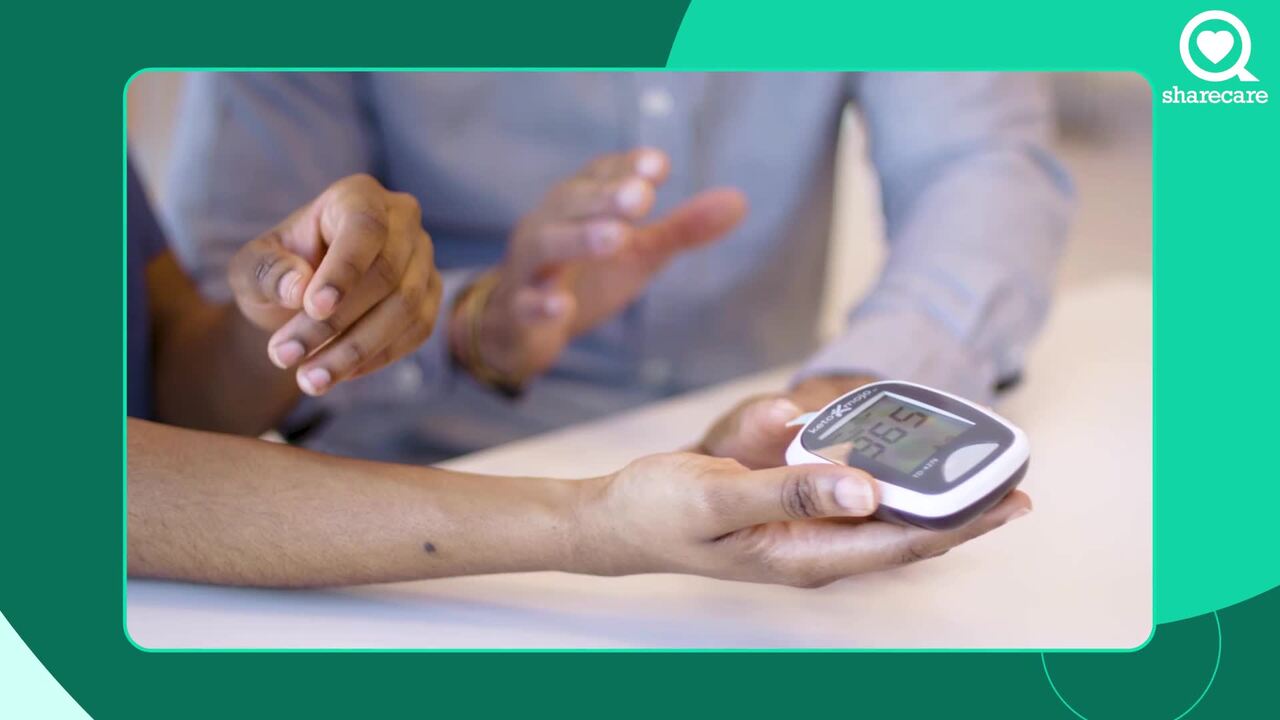
A journal will help you monitor how food, exercise, stress and other factors affect your blood sugar so you can understand trends and make changes if needed.