Advertisement

This is the #1 diet for your heart

Ornish Lifestyle Medicine is a science-backed way to reverse heart disease—while making it easy for you to eat healthy.
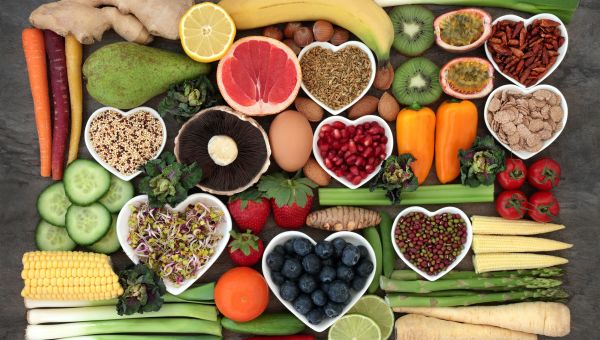

healthy foods in heart bowls
1 / 4

Your diet may be more powerful than you thought. In fact, Ornish Lifestyle Medicine, an eating plan designed by Dean Ornish, MD, a professor of medicine and founder of the Preventive Medicine Research Institute, can reverse heart disease, diabetes, prostate cancer and other conditions. The program limits fat and encourages a diet filled with all-natural, plant-based nutrition.

Looking to get your eating habits on the right track and reverse heart disease? Check out the Ornish Lifestyle Medicine—tied for number 1 among best heart-healthy diets and tied for number 3 in best plant-based diets in the latest rankings from U.S. News & World Report. Adopting this eating plan might be a lot easier than you think.

Man in produce aisle of grocery store
2 / 4
Skip These Foods

Ornish Lifestyle Medicine does not focus on weight loss, so calories are unrestricted. Instead, the goal is to boost your heart health and overall well-being. To keep energy levels steady and stave off hunger, eating small frequent meals may help eliminate overeating. But the size and frequency of meals are far less important than what you put in—or leave out of—your body.

Unfortunately for meat lovers, this eating plan eliminates meat, poultry and fish. The goal is to eliminate anything your body doesn’t need, like excess fat, bad carbohydrates and animal proteins. To limit fat, the diet recommends limiting foods like oils, avocado and olives.

healthy foods
3 / 4
What To Eat

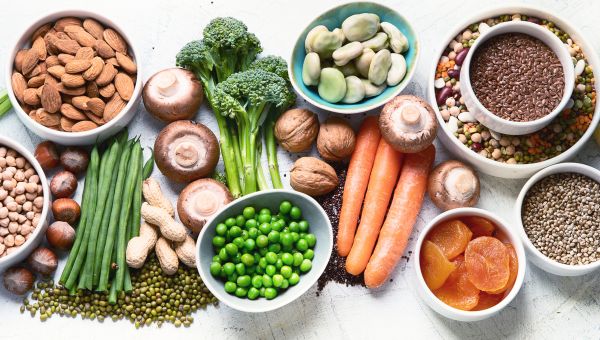
With the exception of a few animal-based foods, such as egg whites and nonfat milk, Ornish Lifestyle Medicine relies heavily on a plant-based diet. Why? This eating plan focuses on good carbohydrates, heart-healthy fats, plenty of fiber and plant protein—all of which are abundant in produce, legumes and whole grains. These foods help you feel fuller for longer periods of time.

Ornish recommends eating fruits and veggies in their most natural state. That means you’ll want to avoid canned fruit in syrup or veggies prepackaged in sauce. You can still eat good-for-you fats from sources like nuts, avocado and oils, but they are restricted to no more than 10 percent of daily calories.

toast with veggies
4 / 4
Extra Flavor

Even though Ornish Lifestyle Medicine is plant-based and healthy, there’s always wiggle room for your favorite indulgences like caffeine, alcohol and a dash (or two) of salt.

Moderate salt is encouraged, unless your healthcare provider advises that you should be on a low-sodium diet. The use of spices and seasonings is also a great way to flavor your food. And while one daily serving of your favorite beverage is allowed, it is not encouraged.

Need a daily caffeine fix? The eating plan allows for one cup of coffee or two cups of black or green tea a day, but no more than that. 

More On

Dx Dialogues: What are the treatment options for aortic stenosis?

video

Dx Dialogues: What are the treatment options for aortic stenosis?
Many patients will do very well with open heart surgery. But initially there were patients who were too old and too sick for surgical aortic valve rep...
What medications can treat hypertrophic cardiomyopathy?

article

What medications can treat hypertrophic cardiomyopathy?
If you are living with HCM, your healthcare provider may prescribe one or more of these medications.
Don't go to a cardiologist without knowing this first

slideshow

Don't go to a cardiologist without knowing this first
Go in prepared and take control of your heart health.
Too much sugar is bad for your blood pressure and cholesterol

video

Too much sugar is bad for your blood pressure and cholesterol
Do you have high blood pressure or high cholesterol? Here's a tip to help.
Artificial sweetener is linked to a higher heart attack risk, study suggests

video

Artificial sweetener is linked to a higher heart attack risk, study suggests
Erythritol has been linked with a higher risk of heart attack, stroke, and death.