Advertisement

8 things to do right after a heart attack

After calling 911, taking these steps may help you to survive and recover.

Updated on January 20, 2026

1 / 9

More than 800,000 people in the United States have a heart attack each year, according to the Centers for Disease Control and Prevention. Most events aren’t fatal, and the chance of survival increases—and the risk of complications decreases—if you get to a hospital as soon as possible.

If you think you’re having a heart attack, always call 911 first. Then, it’s important to take certain steps in the first minutes, hours and days following the attack. They can help you survive and recover, says Kristofer Hillegas, DO, a cardiologist in Cherry Hill, New Jersey.

2 / 9
Recognize the signs

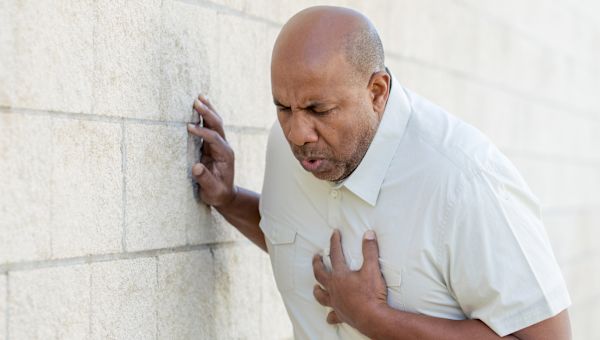
There are common symptoms of a heart attack—and some less common symptoms. “Not everyone has the classic presentation of angina, or chest pain,” says Dr. Hillegas. Some people have no symptoms at all.

Chest pain, shortness of breath, and pain in the left arm, shoulder, neck, or jaw are the most common signs of a heart attack. Other common signs include a cold sweat, nausea, lightheadedness, and an irregular heartbeat. Women may be more likely to experience anxiety, fatigue, and a feeling of pain or pressure in the upper back, shoulder, or arm.

3 / 9
Call the professionals

It’s critical to dial 911 as soon as possible if you think you’re having a heart attack. Cardiologists have a saying: time is muscle. “Once the blood supply and oxygen are cut off for any muscle, including the heart, tissue starts to die,” says Hillegas. “The sooner blood flow can be restored, the more likely it is to preserve the tissue and avoid more damage.” Emergency services technicians (EMTs) can begin treatment in the ambulance on the way to the hospital.

Hillegas says the worst thing you can do is to try to get yourself to the ER. “You could get in an accident or make the heart attack worse,” he says. “You have to let the properly trained people get you to a healthcare facility. Don’t think you can take care of it at home.”

4 / 9
Try to remain calm

This may be easier said than done. But during moments of extreme stress, a person can enter “fight-or-flight” mode, also known as the stress response. The body floods with neurochemicals like adrenaline, blood pressure increases, and the heart starts beating faster. “The more excited you get, the more oxygen demand is placed on the heart and that could make the damage worse,” says Hillegas.

After you’ve called 911, it’s important to avoid exerting yourself too much. Unlock any doors needed for emergency workers, then loosen any tight clothes and find a comfortable place to sit while you wait.

5 / 9
Ask about taking an aspirin

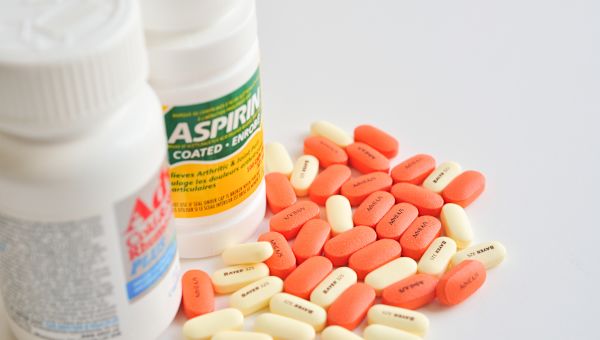
The American Heart Association and the American College of Cardiology recommend taking an aspirin for heart attacks as soon as possible. “There’s little downside to taking an aspirin,” adds Hillegas. Only take it, however, after you’ve called 911 and asked the operator if it's okay.

To understand why aspirin can help, you should know how a heart attack happens. Most start when a piece of plaque—fatty buildup on the artery wall—breaks open. Blood cells called platelets then flock to the ruptured plaque and attach themselves. This becomes a clot that can partially or totally block blood flow, depriving the heart of oxygen and destroying muscle tissue.

Aspirin prevents platelets from forming blood clots. Reach for non-coated pills, as coated drugs—designed to be easier on the stomach—take longer to work. You should crush or chew the aspirin no matter what kind it is.

6 / 9
Gather some info

The information you give to ER and ambulance staff could be critical to your treatment. You’ll want to describe what happened, what you were doing when the pain started, and anything that made the pain better or worse, says Hillegas. Healthcare providers will also want to know your heart health history, including:

  • Any family history of heart disease
  • Bypass procedures or stents you’ve had
  • Medications you’re taking
  • Allergies you have to medication

“Also, let healthcare providers know how you’re feeling,” says Hillegas. “They may try to start some treatments like pain control or other medications, and they’re going to want to know if it’s working or not working or if you’re getting worse.” They may try different medications, or even head to a different hospital, like one with a catheterization lab.

7 / 9
Understand your treatment

So, you’ve been treated by medical professionals following a heart attack. Now it’s time to recover, which could take days or months, says Hillegas. You shouldn’t be a passive participant here. Start learning about heart attack treatments and recovery as soon as the immediate danger has passed.

The first step is understanding what medications you’ll take and how to take them. These may include:

  • ACE inhibitors, which lower blood pressure
  • Low-dose aspirin, which prevents blood clots
  • Antiplatelet drugs, which are given with aspirin to help prevent clots
  • Beta-blockers, which slow heart rate and cut down on heart stress
  • Nitrates, which open up arteries
  • Statins, which slow the production of cholesterol

Make a list of all your medications, how many times a day you take them, and any special instructions (with food, etc.).

8 / 9
Get back on your feet

After a heart attack you may be placed in a cardiac rehabilitation program and given a program to follow for getting physical activity. “Administrators of a cardiac rehab program can tailor an exercise schedule for you with goals that are reasonable to reach,” says Hillegas. “They monitor you to make sure you’re not going to overdo it, but you’re working hard enough to make progress, and everything gets reported back to your cardiologist.”

Getting into a cardiac rehab program—which will also help you learn about heart health, change your lifestyle, and manage stress—depends on the program’s availability and your insurance coverage, says Hillegas. Even if you’re not placed in a rehab program, your healthcare provider will tell you when it’s safe to start exercising again.

You’ll eventually want to work up to 30 minutes of walking most days a week. “After a heart attack you can’t go out and exercise vigorously right away, but getting back to an exercise program is the best thing you can do,” says Hillegas. “You just have to make sure it’s safe.”

9 / 9
Change unhealthy habits

During recovery, it’s vital to change lifestyle habits that can inhibit your progress or contribute to another heart event. Foremost, if you smoke, take steps to quit right away. Smoking damages blood vessel walls, putting you at increased risk for plaque ruptures and clots. Nicotine also raises your blood pressure. A year after quitting smoking, your risk of dying from coronary heart disease is cut in half.

You’ll also want to eat an overall healthy diet full of fruits, vegetables, whole grains, nuts, legumes (beans), and lean meats. Try to limit or avoid alcohol, excess sodium, and eating too much saturated fat, like that found in red meat. These fats can lead to higher levels of low-density lipoprotein (LDL or “bad”) cholesterol in your blood, which increases the risk of heart disease.

Also try:

Slideshow sources open slideshow sources

Centers for Disease Control and Prevention. Heart Disease Facts and Statistics. October 24, 2024.
Centers for Disease Control and Prevention. About Heart Attack. October 24, 2024.
National Heart, Lung, and Blood Institute. Heart Attack Symptoms. March 24, 2022.
American Heart Association. Heart Attack Symptoms in Women. December 13, 2024.
American Heart Association. Warning Signs of a Heart Attack. December 12, 2024.
Mayo Clinic. Heart Attack Symptoms and Causes. October 9, 2023.
Harvard Health Publishing. Understanding the Stress Response. April 3, 2024.
Suzanna Mazur. What To Do If You Have a Heart Attack Alone. Henry Ford Health. July 7, 2025.
My Vanderbilt Health. How to Survive a Heart Attack When Alone. July 18, 2025.
Rao SV, O'Donoghue ML, et al. 2025 ACC/AHA/ACEP/NAEMSP/SCAI Guideline for the Management of Patients With Acute Coronary Syndromes: A Report of the American College of Cardiology/American Heart Association Joint Committee on Clinical Practice Guidelines. Circulation. 2025 Apr;151(13):e771-e862.
American Heart Association. Aspirin and Dual Antiplatelet Therapy. February 28, 2025.
Paikin JS, Eikelboom JW. Cardiology patient page: Aspirin. Circulation. 2012 Mar 13;125(10):e439-42.
National Heart, Lung, and Blood Institute. Heart Attack Causes and Risk Factors. March 24, 2022.
Harvard Health Publishing. Does Aspirin Stop a Heart Attack? October 13, 2020.
American Heart Association. Family History, Heart Disease and Stroke. January 11, 2024.
American Heart Association. Life After a Heart Attack. December 20, 2024.
American Heart Association. Heart Attack Recovery Questions and Answers. January 2, 2025.
Cleveland Clinic. Medications after a Heart Attack or Interventional Procedure. Accessed January 19, 2026.
American Heart Association. Types of Heart Medications. Febryary 27, 2025.
Cleveland Clinic. Exercise & Activity After a Heart Attack. Accessed January 19, 2026.
FamilyDoctor.org. Heart Attack. October 1, 2023.
American Heart Association. Lifestyle Changes to Prevent a Heart Attack. January 2, 2025.
Harvard T.H. Chan School of Public Health. Preventing Heart Disease. August 2022.

More On

What is a heart attack?

video

What is a heart attack?
What happens when you suffer from a heart attack? Watch this video to learn
Is it safe to have sex after a heart attack?

article

Is it safe to have sex after a heart attack?
Here’s how to resume intimacy and help avoid slip-ups that could land you back in the ER.
6 surprising causes of heart attacks

slideshow

6 surprising causes of heart attacks
Learn how the weather, stress, or strong emotions can affect your heart health.
24-year-old woman who had a heart attack at 14 gets new heart
video

24-year-old woman who had a heart attack at 14 gets new heart
When Jaelyn Kinchelow was 14 years old, she suffered a heart attack while running at track practice.
What is the difference between cardiac arrest and a heart attack?

video

What is the difference between cardiac arrest and a heart attack?
Cardiac arrest and a heart attack are two distinct medical conditions that affect the heart. Here's a breakdown of the key differences between the two...