


Advertisement
question

What is the nervous system?

RealAge
RealAge
answer
Your nervous system is made up of your brain, your spinal cord and all of the nerves in your body. It sends messages back and forth between your brain and the rest of your body to communicate important signals. For example, if you step on something sharp, the nerves in your foot send a pain signal up your spinal cord to your brain. When your brain recognizes the danger, it sends another signal down your spinal cord to the nerves in your leg and foot muscles, telling them to pull away from the object. Your nervous system affects every function of your body, including:
  • Thinking, learning and remembering
  • Use of your arms and legs
  • Breathing, digestion, bladder and bowel control, and other bodily functions
  • Eyesight, hearing, taste, smell and touch
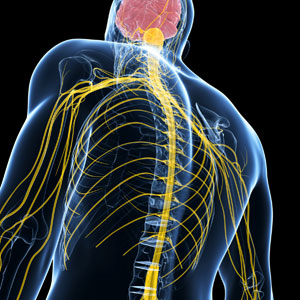
Health conditions that can directly affect the nervous system include multiple sclerosis, Alzheimer's disease, tumors or infections of the brain, nerves or spine, strokes and injuries
what is the nervous system

Continue Learning about Brain and Nervous System
3 simple ways to boost your brain health
Whether you’re recently retired or just finding yourself with more downtime than usual, you might feel like your days are less mentally demanding than...
Read More
Could you have a concussion and not know it?
You’ll know if you have a concussion, right? Don’t be so sure, says Scott Scherr, MD, an emergency physician with Southern Hills Hospital in Las Vegas...
Read More
Is brain damage always permanent?
Brain damage is not always permanent. Learn more from our experts about brain damage.
More Answers
6 worst things you can do for your brain
6 worst things you can do for your brain6 worst things you can do for your brain6 worst things you can do for your brain6 worst things you can do for your brain
Plus, learn how to reverse unhealthy habits and help boost brain health over the long haul. The numbers are alarming. According to the Centers for Di...
Start Slideshow

Important: This content reflects information from various individuals and organizations and may offer alternative or opposing points of view. It should not be used for medical advice, diagnosis or treatment. As always, you should consult with your healthcare provider about your specific health needs.