Updated on September 26, 2025.
You vacuum your carpets, do your dishes and clothes, and wash your windows, So you must have a clean house, right? Well, maybe not. Even people who keep a tidy, sanitary home may be missing some everyday health hazards.
From containers to carpet, here are four potentially harmful issues to watch for. Plus, learn ways to protect yourself and your loved ones.
You use certain plastic water bottles and food containers
Some plastic containers and water bottles contain bisphenol A (BPA), a chemical produced in large quantities to make polycarbonate plastics and epoxy resins. BPA enters the body when you drink or eat food out of these containers. Experts believe frequent exposure to BPA may increase blood pressure and increase risk for diabetes and obesity. It may also affect brain development and behavior in unborn babies, infants, and children.
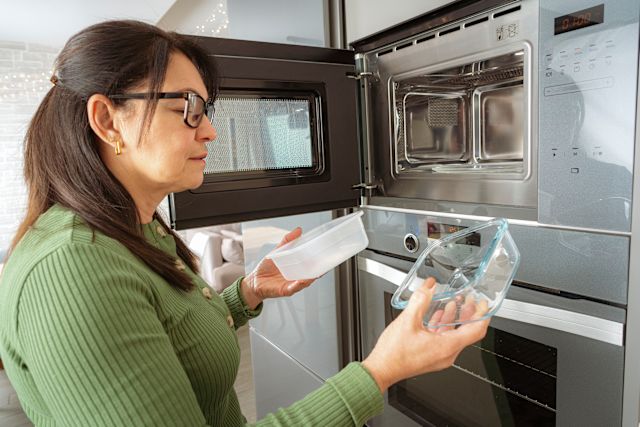
The easiest way to avoid BPA exposure is to buy glass, porcelain, or stainless steel containers, and limit the amount of canned food you consume. Avoid microwaving or dishwashing any polycarbonate containers if you do buy them. In many cases, a polycarbonate product will have a recycling numeral of 3 or 7 printed on the bottom (though not all items with the 3 or 7 are polycarbonate). They may be described as “unbreakable” or “microwave-safe,” as well.
Manufactures have cut down drastically on BPA products and are improving labeling for BPA-free items to make shopping easier. When shopping for containers, avoid products that contain PVC or vinyl, polystyrene foam, or BPA.
Your carpets are treated
If you have kids or a pet, you may have stain-proof carpet. But you’ll want to understand the types of products that were used on the floor covering. Carpet treatments in older homes may have involved perfluorooctanoic acid (PFOA), a chemical used to make Teflon that may be associated with cancer and thyroid disease. And while newer carpet treatments have improved, they may still contain other polyfluoroalkyl substances (PFAS), chemicals that experts believe may pose problems for pregnant women.
If you’re replacing your flooring, consider choosing a natural material like wood or sisal. The best option? Go for hardwood and pile on the area rugs.
The air in your house is polluted
Bacteria, mold, viruses, animal dander, dust mites, and pollen are just a few of the biologic pollutants that may be hanging around your home. They may worsen asthma and allergy symptoms, encourage the spread of viruses, and can cause breathing issues.
Chemical pollutants include substances such as carbon monoxide, tobacco smoke, and volatile organic compounds found in things like paints, cleaning supplies, and glue. Radon, an odorless gas product that comes from soil and rocks that contain radioactive elements such as uranium, can enter the home through cracks in your floor, walls, or foundation. First floors and basements are the two areas that typically have the highest levels of radon since they are closest to the ground. Ongoing exposure to high levels of radon may increase your risk of lung cancer.
It’s best to track your air quality with a device, such as a low-cost air pollution monitor, also called an air quality sensor or monitor. That way, you can start professional treatments right away if you do have problems.
If the weather is nice, be sure to open windows to let fresh air come in and encourage pollutants to disperse outdoors. Have your home tested for radon—you may need to test again every couple of years if radon is found—and keep a carbon monoxide detector on every level of your home. Clean dust-infested areas like baseboards and blinds, and vacuum regularly.
You don’t change your pillowcases enough
While they may be the key to a good night’s sleep, pillows can be breeding grounds for germs. The average person sheds 40 to 60 million skin cells a day—many from the head and neck—and skin cells attract dust mites. Dust mites grow in hot and humid areas, such as your pillow. Mite body parts and feces can trigger allergy symptoms.
Certain types of fungi can also grow on your pillows. The mold aspergillus is one such fungus. iI can aggravate asthma symptoms and cause fungal infections in your sinuses or lungs.
Keep your pillows clean by replacing them about every two years. Wash your sheets and pillowcases once a week using hot water.
The most important thing you can do to safeguard your home is to research any products you use and learn what they’re made from. Regular deep cleanings will help, too.