Updated on September 26, 2025.
Swimming and water aerobics are great ways to stay fit, especially for people with chronic pain—whether it's everyday joint pain or an illness like fibromyalgia or multiple sclerosis. That said, while a pool workout may be easy on your back, knees and shoulders, it can be tough on your eyes. Chlorine in the water can make them feel dry and irritated, or even cause blurry vision.
But did you know that chlorine can also make you more likely to develop conjunctivitis (pink eye) and other nasty eye infections? That's because it washes away the outer, protective layer of your eyes and leaves them more exposed to germs. And as good as chlorine is at disinfecting, it may not totally get rid of all the dirt and bacteria floating around in the water.
In fact, in May 2018, the Centers for Disease Control and Prevention reported that between 2000 and 2014 there were almost 500 disease outbreaks in treated recreational water areas like hotel hot tubs and public swimming pools. In addition to gastrointestinal problems, respiratory infections and skin issues, germs found in these places can cause eye infections by sticking to contact lenses.
Simple solutions
There's no reason to give up your water routine just yet. After all, in addition to its joint pain benefits, exercise helps support your immune system, boost your heart health, and improve memory—and can even add years to your life.
Just follow these simple, doctor-approved tips to help keep a lid on uncomfortable eye problems:
Wear goggles
If possible, try them on before you purchase to check for fit. To ensure they're watertight, the lenses should make a small, quick popping sound when you attempt to remove them. Look for goggles with anti-fog coating as well as UV protection if you're swimming outside. Bonus tip: smoke-colored lenses are ideal for outdoor use.
Rinse your eyes after a swim
A little chlorinated pool water probably won't hurt your eyes, but you should limit it. As a general rule, if you get any chemical on your skin or in your eyes, rinse the area immediately with plenty of tap water.
Wait to put in your contacts
Your lenses may be harboring bacterial fugitives of their own. So, if you can see well enough to be safe in the pool, leave your contacts in the locker room. And if you wear soft contact lenses, you may want to wait 20 to 30 minutes before putting them back in. That way, the lenses will be less likely to stick and harm your eyes. If you do wear contacts to swim, make sure to wear goggles over them, and toss the lenses if they touch the water.
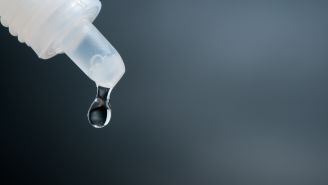
Use lubricating eye drops
These over-the-counter drops can help soothe dry or irritated eyes. Try different brands until you hit one you like. And remember to skip products promising to alleviate redness; used for too long, they can actually irritate your eyes.
Call a healthcare provider if you have lasting blurry vision, severe pain or red eyes that are draining fluid. These could be signs of a serious problem.