Updated on July 1, 2025.
A picture may be worth a thousand words, but one good image of your eye’s inner workings may be even more precious: It could predict your risk of facing a debilitating, or even deadly, stroke.
Blinded by high blood pressure?
Here’s why: The retina is the light-sensitive tissue at the back of your eye that captures images and then passes them on to your brain. This unique layer of cells basically makes sight possible. Retinopathy is a name for damage to this tissue, which can lead to partial or total blindness. Several conditions can cause retinopathy, including diabetes, premature birth or high blood pressure.
Hypertensive retinopathy can happen when your blood pressure is too high for too long. High blood pressure affects all of the body’s vessels, including the tiny ones in your eyes. In fact, those tiny vessels can be among the first to show blood pressure damage. And guess what? That damage can be visible long before you’ve even been diagnosed with the medical condition.
Seeing signs of trouble
An international team of researchers followed 3,000 people with high blood pressure over a 13-year period. Each participant had a baseline photo taken of his or her retina. Eventually, 165 of the subjects suffered a stroke. Retinal imaging showed that people with mild blood vessel damage had a 35 percent higher stroke risk. Those with moderate or severe damage faced a whopping 137 percent higher risk.
Experts say the study, published in the journal Hypertension, is preliminary but suggests that a simple eye exam could be an effective, non-invasive way to predict which people with high blood pressure at most at risk of a stroke.
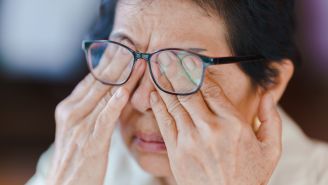
People with retinopathy usually don’t experience any symptoms until the condition has already advanced to the danger stages. But if you already know your blood pressure is high and experience any of the following symptoms, you should get it checked out. Any sudden symptoms are a medical emergency.
- Blurry, dim or reduced vision
- Double vision accompanied by headaches
Reduce your retinopathy risk
Eyesight loss caused by damaged blood vessels is irreversible. The best way to minimize the risk is to keep your blood pressure under control:
- Take blood pressure medications as prescribed
- Maintain a healthy body weight by eating a balanced diet
- Reduce salt intake
- Limit caffeine and alcohol
- Get regular exercise
- If you smoke, take steps to quit