Updated on April 25, 2025.
A cataract is an area on the lens of your eye where you’re no longer able to see clearly because it has become cloudy. More than 20 million adults in the United States ages 40 and older have had a cataract in at least one eye, according to the Centers for Disease Control and Prevention (CDC). Among that group, just over 6 million have had cataract surgery to remove it.
During cataract surgery, an eye doctor called an ophthalmologist removes the lens of the eye that has a cataract and replaces it with an artificial lens. This procedure typically takes about 10 to 15 minutes and is almost always successful at improving eyesight. Other potential benefits of cataract surgery include seeing colors more vividly, less light glare, and sometimes a reduced need for glasses. But the procedure may provide several health perks aside from better vision.
Potential health benefits of cataract surgery
Among other advantages, having clearer vision after cataract surgery may help a person remain active, attend healthcare checkups, and have fewer accidents. Benefits like these could have long-term, positive effects on well-being, including the following.
Fewer falls
Falls are a major cause of injury and disability for older adults, resulting in about 3 million emergency department trips each year, according to the CDC. In studies, having cataract surgery has been associated with fewer falls.
For example, adults ages 60 years and older who had cataract surgery were up to 11 percent less likely to fall and experience a fracture than those who didn’t undergo the surgery, according to a study published in 2025 in the Journal of the American Geriatrics Society.
Reduced dementia risk
Dementia is a group of disorders, including Alzheimer’s disease, that affects memory, social skills, and thinking abilities. Vision loss that isn’t treated, such as that caused by cataracts, is linked to a higher risk of developing dementia. But some research suggests cataract surgery may help.
In one study of more than 3,000 older adults with cataracts, people who had the surgery had a “significantly” lower dementia risk than people who went without the surgery. The results were published in 2021 in JAMA Internal Medicine.
Depression and anxiety management
Uncorrected vision loss can also increase the risk of developing mental health conditions like depression and anxiety. Having cataract surgery to correct vision loss, however, may enhance mental health. Research is sometimes conflicting and remains ongoing.
For instance, in a 2024 analysis of 44 studies published in the International Journal of Surgery, scientists found that cataract surgery may improve symptoms of depression and anxiety if they are caused by vision loss. But if those symptoms are caused by other factors, the benefits of surgery were less clear.
Increased lifespan
Similarly to dementia and depression, uncorrected vision loss may contribute to a shorter life expectancy. Having cataract surgery, however, could be tied to a longer life for some people. For one JAMA Ophthalmology study published in 2018, researchers examined nearly 23 years of data collected from more than 74,000 women with cataracts ages 65 and older. Compared to people who didn’t have the surgery, those who did had a 60 percent lower chance of dying from any cause.
Spotting the signs of cataracts
More than half of U.S. adults develop cataracts by the time they turn 80. Cataracts come on slowly, so you may not even notice that you don’t see as well as you used to. To spot a potential cataract, you can look for the following signs:
- Cloudy or blurry vision
- Faded or diminished colors
- A glare or halo around lights, or lights seeming too bright
- Reduced night vision
- Having double vision or seeing multiple images in one eye
- Frequent prescription changes in your eyeglasses or contact lenses
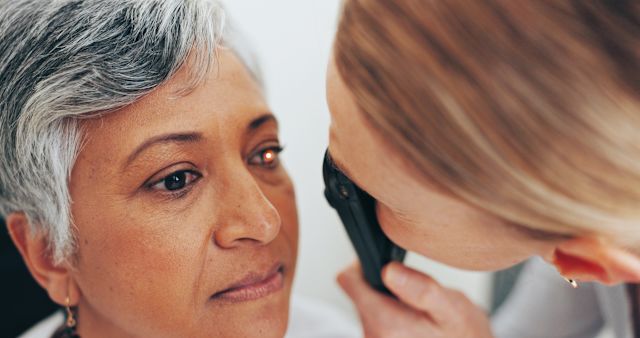
These symptoms could also signal other eye problems, so it’s important to see an eye care provider such as an optometrist or ophthalmologist if you experience issues. If they suspect you have a cataract, they will give you a comprehensive eye exam. It may include a combination of the following:
- Visual acuity test (vision test): An eye chart is used to help measure how well you see at various distances.
- Eye structure exam (slit lamp): A line of light is used to view the structures at the front of your eyes in smaller sections.
- Retinal exam: Eye drops are used to dilate (open wide) your pupils to help better examine your retina, which is located at the back of your eye.
- Fluid pressure test (applanation tonometry): A special instrument is used to measure the pressure inside of your eyes.
If you have a cataract, discuss your treatment options with your eye care provider, including the possibility of surgery. It could improve your quality of life well beyond your eyesight.