Advertisement

4 surprising causes of belly bloating

Learn how to ease bloating and flatten your belly.
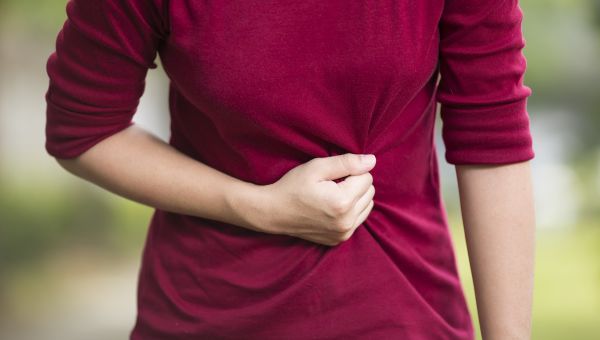
woman grabbing stomach
1 / 5

Feeling a little puffy? There are myriad causes of belly bloating—from premenstrual symptoms, to overeating, to simply eating too quickly—but fortunately, bloating rarely signals something more serious. You can get relief, and assurance that you’ll be able to button your jeans again, by avoiding these unexpected sources of gas and bloating.

woman sipping a shake through a straw
2 / 5
Swallowing Extra Air

Just like eating too quickly, everyday habits that force you to gulp down excessive air can make your gut feel like a beach ball. And you’re probably doing it without even realizing: drinking through straws, chewing gum or talking while eating allows excess air to enter your mouth and travel to your digestive tract. Luckily, it’s easy to relieve discomfort by going for a short walk or stretching.

man with a headache
3 / 5
Feeling Stressed

Stress has many unpleasant side effects like headaches and chest pain, but it can affect digestion, too. The digestive tract is sometimes called “the second brain” because it contains so many nerves that regulate digestion. When you’re feeling stressed, those nerves feel it, too, which can lead bloating, cramping, diarrhea and constipation. There’s also some evidence that stress can impact the production of digestive enzymes and cause an imbalance in the “good” bacteria our gut needs to function properly. Relaxation techniques can help calm nerves and protect your microbiome—just don’t suck in too much air during deep breathing exercises.

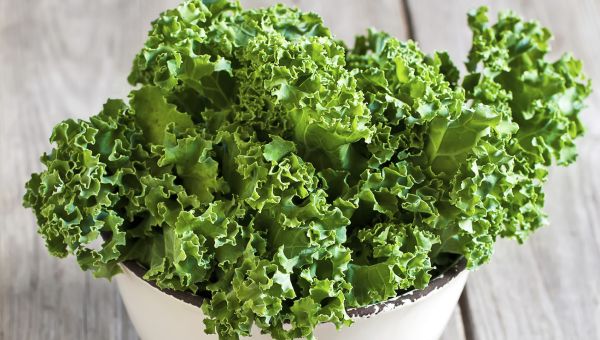
kale
4 / 5
Eating Cruciferous Vegetables

Incorporating more cruciferous veggies like kale, cauliflower and broccoli into your diet is a great way to get your daily dose of vitamins C, K and E, and fiber. Unfortunately, these nutrient-dense veggies also contain difficult-to-digest fiber and a sugar called raffinose. Humans can’t digest raffinose, but gut bacteria love to feed on it—and when they do, they produce excess gas. Get your greens without the excessive gas by steaming or roasting them; you’ll still get the nutrients, but it’ll soften the fiber, so it’s easier to digest.

woman with blue pills in palm of hand
5 / 5
Taking Antibiotics

A course of antibiotics can sometimes disrupt the balance of bacteria in your digestive system, too. Encourage the growth of “good” bacteria and restore the balance by pairing your antibiotic treatment with a probiotic. Unfortunately, scientists aren’t certain which type of probiotic works best for restoring bacteria, but you can find them in supplements or foods that naturally contain probiotics, like yogurt or fermented foods, such as sauerkraut or kimchi.

More On

What is the difference between ulcerative colitis and crohn’s disease?

video

What is the difference between ulcerative colitis and crohn’s disease?
Ulcerative colitis and Crohn's disease are both autoimmune, inflammatory bowel diseases; but ulcerative colitis is limited to the colon. Watch integra...
Avoiding stress-induced IBD flares

article

Avoiding stress-induced IBD flares
Learn about the connection between IBD and stress, plus strategies to reduce stress.
Embarrassing stomach issues, solved

slideshow

Embarrassing stomach issues, solved

Find out if your gas, grunts and growls are normal and what to do about them.
What foods can cause acid reflux?

video

What foods can cause acid reflux?
Some foods that can cause or make acid reflux worse include caffeine, chocolate, tomatoes, citrus fruits and peppermint. Watch gastroenterologist Rosh...
How does good digestion affect my immune system?

video

How does good digestion affect my immune system?
Even with a healthy diet, if your digestive enzyme levels are low you may not get the nutrients you need to properly support your immune system. Watch...