Updated on January 30, 2026.
Protein is the quiet workhorse of your diet. Your body uses it to build bones, muscles, blood cells, nerves, hair, nails, and even components of your immune system.
Since protein is a key nutrient, it’s wise to ensure you’re getting enough each day. Ask a healthcare provider (HCP) how much to aim for. The amount they recommend for you will depend on multiple factors, including your age, sex, overall health, pregnancy or breastfeeding status, and physical activity level.
Otherwise, it’s generally advised that healthy adults get between 10 and 35 percent of our daily calories from protein. For people ages 65 and younger, a healthy goal is 0.8 g of protein per kilogram (kg) of body weight.
To calculate your protein intake, you’ll have to convert your weight to kg—1 pound is about 0.45 kg—then multiply that number by 0.8 for your starting point. A 130-pound woman, for example, weighs about 59 kg. That comes out to about 47 g per day of protein.
Protein 101
Where you get your protein matters almost as much as how much you get. There are two basic types of protein sources: animal protein and vegetable protein. To understand these, it helps to look at exactly what makes a protein.
Protein molecules are built with smaller molecules called amino acids. If protein were a house, amino acids are the bricks, concrete, wood, and drywall that make up the structure. Your body can make some, but not all, amino acids on its own. Those that your body can’t manufacture are called essential amino acids. It’s necessary that you get these through your diet.
Animal proteins, including eggs and dairy, generally have all the essential amino acids, which makes them “complete proteins.” Most individual plant-based proteins lack at least one essential amino acid. (Notable veggie exceptions include quinoa and soy, which have them all.) Different veggies deliver different amino acids, so it’s important that vegetarians and vegans mix up and combine their protein sources to get all the amino acids they need.
What protein to eat
Here’s how much protein you’d get per serving from a variety of animal sources, which will give you all the amino acids you need.
- Ground beef, 4 oz: 22 g of protein
- Beef tenderloin, 3 oz: 20 g
- Chicken breast, 3 oz: 26 g
- Salmon, 5 oz: 28 g
- Extra-large egg: 7 g
- Pork chop, 4 oz: 22 g
- Milk, 2%, 1 cup: 8 g
- Plain Greek yogurt, 6 oz: 15 g
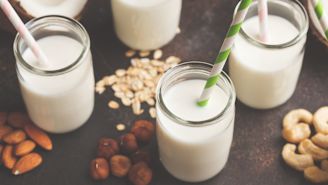
The following are some high-protein plant-based foods and the amounts of protein you’d get per serving. Just be sure to mix and combine them to get all your essential amino acids.
- Black beans, 1 cup: 15 g
- Chickpeas, 1 cup: 15 g
- Lentils, 1 cup: 18 g
- Peanut butter, 2 tbsp: 7 g
- Almonds, 1 oz: 6 g
- Peas, 1 cup: 8 g
- Quinoa, 1 cup: 8 g of protein (a complete protein)
- Edamame, 1 cup: 18 g
Protein from red or processed meat
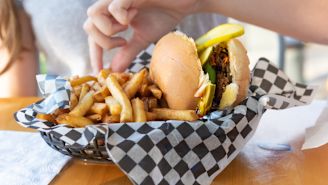
Though some foods provide quite a bit of protein in one serving or have all nine essential amino acids, it doesn’t always mean they are the best choice for a healthy diet. A diet heavy in red meat and processed meats is typically high in saturated fat. It can raise blood pressure and cholesterol levels. It’s also associated with increased risk of cancer and cardiovascular diseases.
Many leading health organizations, including the American Heart Association (AHA), encourage adults to get most of their protein from lean animal and plant-based sources. These include foods like chicken, fish, tofu, and beans. These groups also recommend avoiding processed meat and limiting red meat. If you do eat red meat, try leaner cuts and watch portion sizes. One serving of meat is about 3 ounces, or the size of a deck of cards.
Be protein-smart
Chances are you’re getting enough protein from whole foods in your diet. In some cases, however—such as if you’re pregnant or an athlete or have a chronic condition such as COPD—you might need more. Consult with an HCP or registered dietitian about how much protein you should have each day, and whether they recommend taking a protein supplement.
Keep in mind that it’s possible to overdo protein. Eating too much, especially animal protein, could potentially increase your risk of kidney disease. Excess protein creates waste that accumulates in the blood, putting a strain on kidneys to filter out the extra material.
There’s also evidence that older people may need more protein than younger people, since older bodies don’t use it as efficiently. Older people who don’t get enough protein are at greater risk for falls and fractures, and may have more trouble with day-to-day activities. A higher protein diet may help stave off age-related muscle loss. Speak with an HCP about the right amount for you.
Research also suggests that older adults will benefit more from getting their protein from plants than animal products. A 2022 study published in BMC Geriatrics found an association between higher intakes of animal protein and lower quality of life in adults 60 years and older.
The bottom line is this: When it comes to how much protein you need each day, there may not be a simple answer. But it can help to focus on healthy sources and supplement if advised.
For help tracking your diet, download Sharecare, available for iOS and Android. The app includes a meal tracker that allows you to input the quality of your meals to help you gauge how well you’re sticking to your eating plan over time.