Bad fats vs. good fats

Transcript
[MUSIC PLAYING]
Not all fats are created equal. Some can be good for you, while others not so much. Unsurprisingly, the American Heart Association
recommends replacing bad fats with good fats. WOMAN: Good fats are unsaturated fats. They're found in foods like olive oil, avocados, fish,
and tree nuts, like almonds. Bad fats are saturated fats like those found in butter, cheese, and cream.
Bad fats also include artificial trans fats and hydrogenated oils. These are often found in store-bought baked goods,
margarine, and processed foods, as well as tropical oils, like palm or coconut oil. Bad fats can raise your cholesterol levels
and increase your risk for heart disease. The American Heart Association recommends limiting saturated fats and losing
artificial trans fats, hydrogenated oils, and tropical oils. You can choose healthier fats by replacing bad fats with
foods like lean meats, tree nuts, low-fat dairy, avocados, and olive oil.
The American Heart Association recommends eating at least two servings of fish per week, as fish is generally high in what are called omega 3 fatty acids.
To get omega 3 fatty acids, you must obtain them from your diet. Your body can't make them on its own.
Omega 3 fatty acids are the building blocks of hormones that play a role in blood clotting, contraction,
and relaxation of artery walls, and inflammation. Eating fish, which is generally high in omega 3 fatty
acids, has been associated with improving levels of triglycerides and HDL, or the good cholesterol. Fish high in omega 3s include mackerel,
herring tuna, salmon and trout. Other foods that are generally high in omega 3 fatty acids
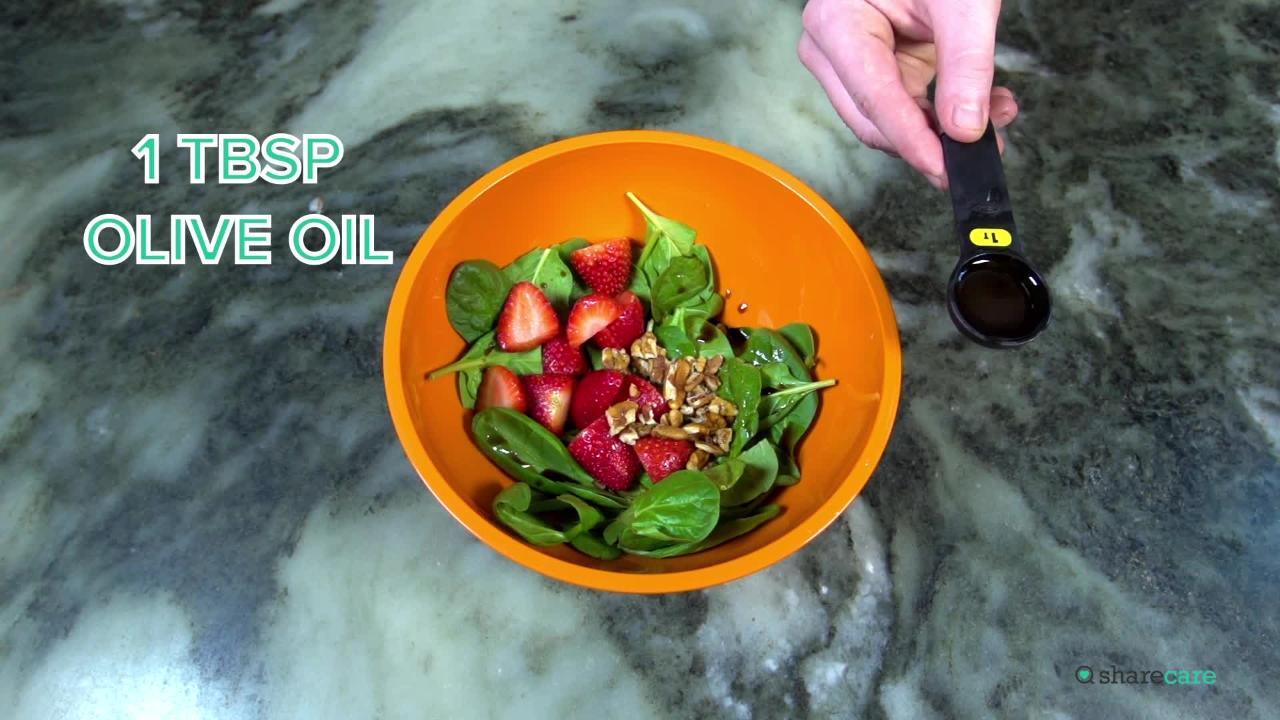
are from vegetable sources. These include olive oil, flax seeds, flaxseed oil, and tree nuts, especially walnuts.
healthy eating













Browse videos by topic categories
A
B
C
D
E
F
G
H
I
J
K
L
M
N
O
P
Q
R
S
T
U
V
W
X
Y
Z
ALL