To help ensure your lunch is giving you rock star energy—instead of weighing you down—you have to follow just three simple rules. Try these next time you whip up your midday meal and see if you gain an extra pep in your step.
1. Start with quality carbs. Build your meal out of complex carbs, the kind that are digested slowly to give you a longer, steadier stream of energy. Just about any high-fiber carb will do, including beans, brown rice, whole-grain bread, quinoa, and veggies like Brussels sprouts and eggplant.
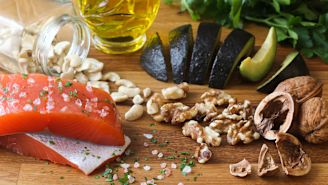
2. Add healthy fat. You'll need a bit of healthy fat to help your body absorb all the goodness of certain fat-soluble nutrients in your meal (like vitamins A, D, and E). Fats also help you feel full longer. Try topping soups and salads with chopped walnuts and drizzling some olive oil on your whole-wheat pasta. Sandwich lovers, replace your mayo with a few slices of creamy avocado.
3. Supercharge with lean protein. While your meal's foundation will ideally be plant-based, give it a boost with lean protein for a little more lasting power. Skinless chicken, lean meats, fish, tofu, eggs, and beans are all primo sources of healthful protein.
Just three simple steps to keep you moving and working hard through to the evening.