Your digestive tract contains a metropolis of bacteria that help digest and absorb nutrients from the food you eat. Research suggests that maintaining a proper mixture of gut microbes has a number of health benefits that go beyond the body’s ability to properly digest food.
“Your health is directly tied in to gut microbiome and the diversity of the bacteria in your gut,” says Steven Fox, MD, a gastroenterologist with Trinity Health Medical Group in Muskegon, Michigan. Here's the lowdown on how.
The perks of good gut bacteria
Having a healthy population of gut bacteria can prime the immune system to react more aggressively to pathogens so that your body can take immediate action when something goes wrong.
A diverse array of microbes also reinforces the inner lining of your digestive tract. There is evidence linking changes to the gut microbiome or a lack of diverse bacteria to painful digestive tract conditions such as hernias, colon cancer, and other inflammatory conditions like inflammatory bowel disease.
“Overall, individuals who do not have diverse gut bacteria tend to have poorer health,” says Dr. Fox. "It's directly related to obesity, type 2 diabetes, and multiple autoimmune processes such as arthritis, diabetes, and thyroid disorders."
Foods that promote gut-friendly bacteria
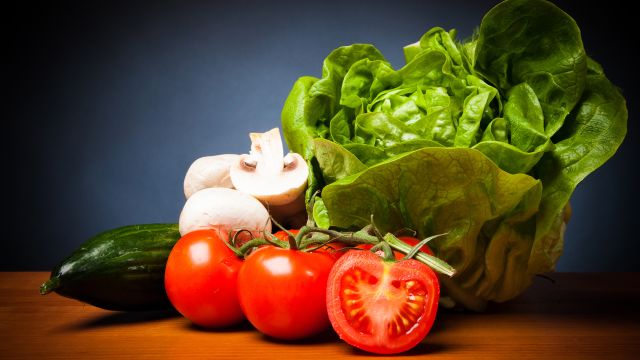
While these conditions may sound scary, some experts believe there's one big thing you can do to promote a diverse bacterial environment in your digestive tract: Enjoy gut-friendly foods like prebiotics, which provide nutrients that help good bacteria grow and function. Fox recommends foods high in fiber, including fresh fruit and green vegetables like spinach, lettuce, kale, broccoli, asparagus, green beans, peas, arugula, and Brussels sprouts.
Some foods explicitly contain good bacteria, which also help promote healthy gut microbacteria.
“Probiotic foods such as yogurt contain healthy bacteria such as lactobacillus, which help with the digestion of dairy products,” adds Fox. Avoid processed foods that are high in refined sugar and saturated fat, because they have been found to disrupt and alter the gut microbiome.
The relationship between food and gut bacteria needs further research. But by staying conscious of what you eat, you can improve the diversity of good bacteria vital to your health, and treat your body to lifelong health benefits.