 Back to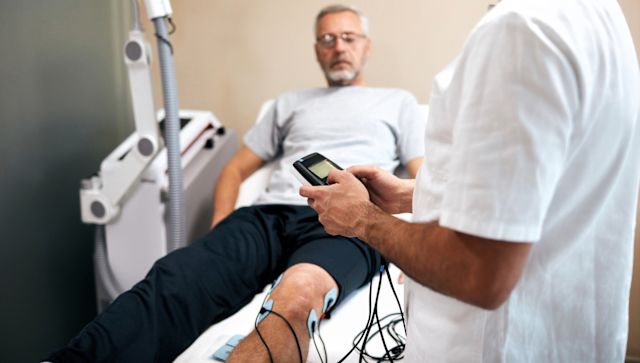
Updated on December 23, 2025
Acute pain refers to temporary, short-term pain. To be more specific, “short term” means a duration of no more than 3 to 6 months, and “temporary” means that the pain will resolve as the body heals and recovers from the cause. Acute pain is typically related to a specific cause, such as an injury, surgical procedure, dental procedure, or an illness/infection.
Working with your healthcare provider to manage acute pain
Medications can be used to help manage acute pain during this process. The goal of taking these medications is to reduce discomfort, and the type of medication prescribed will depend on the underlying cause of the pain, the severity, and how pain is affecting a person’s normal activities.
If you’re experiencing acute pain, your healthcare provider may direct you to take an over-the-counter pain-relief medication or prescribe a pain-relieving medication.
In severe cases, pain may be managed with an opioid—a powerful pain relief drug that acts on the brain and central nervous system. However, opioids carry significant risks of misuse, addiction, overdose, and drug interactions. Guidelines recommend that opioids be prescribed with caution, and on an individual level, many providers and their patients seek to avoid opioids.
Non-opioid medications are a much safer treatment option and are equally as effective at treating and managing pain. There are numerous non-opioid medications available. (Non-opioid options are also improving, with a new non-opioid pain medication that became available in 2025, as well as other drugs under development).
You may also want to discuss non-medication therapies
In addition to pain-relief medications, you and your healthcare provider may also discuss non-medication therapies to help manage pain. These approaches may be used alongside medications for acute pain or used on their own.
Examples of non-medication therapies for acute pain include:
- Physical therapy. Also known as physiotherapy, physical therapy can involve prescribed exercises, massage, hot/cold therapy, and other techniques. The goal is to help restore movement and function, to reduce pain, and to improve quality of life.
- Biofeedback. This technique is similar to meditation, with the added element of electronic sensors that provide real-time information about what's happening in the body. These sensors monitor things like breathing, heart rate, blood pressure, and muscle tension. The goal is to learn to better control these processes in the body.
- Electrical stimulation. A device is used to deliver mild electrical currents to specific nerves and muscles. Depending on the technique being used, this can be done to block pain, activate muscles, improve circulation, or promote healing.
- Acupuncture. A technique from traditional Chinese medicine that involves inserting very thin—and sterile—needles into specific points on the body. Though it may sound intimidating, the process is almost always painless and has shown promise for various types of pain.
- Meditation and relaxation techniques. Techniques that involve focusing attention, calming the mind, and relaxing the body can help reduce the stress and anxiety that often accompany pain and potentially reduce pain perception.
- Mental health therapy. Approaches like cognitive behavioral therapy can help a person learn skills for coping with pain as well as the negative thoughts and emotions that often accompany pain.
Remember that acute pain is a different experience for everyone, and treatment should be individualized to your needs and concerns. Your healthcare provider will be your best source of information.


