Back to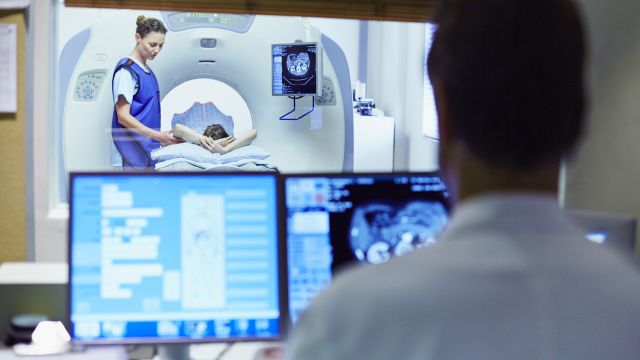
Updated on April 4, 2025
Immunotherapy drugs help the body’s immune system identify and destroy cancer cells. They are used to treat a number of different types of cancer.
There are numerous immunotherapy drugs that are used in the treatment of different cancers. Some immunotherapy drugs are used on their own. Some are used in combination with other types of cancer therapies, such as chemotherapy.
People with cancer who are treated with immunotherapy will be monitored for treatment response and to see how they are coping with the side effects of treatment.
Response to treatment
Because immunotherapy treatments work by helping the immune system attack cancer, the response to immunotherapy can take longer than other treatments. Monitoring the response to treatment may involve imaging tests, and may also involve biopsies, other medical tests, and physical exams. During these tests and exams, healthcare providers are checking to see if the tumors have changed in size and if the biology of the tumor has changed. They will also be looking at how the person with cancer is feeling overall.
Monitoring side effects
Like other cancer treatments, immunotherapy drugs can cause side effects. Some side effects are common and expected, while others may be serious and require a change to your treatment plan.
Tell your healthcare providers about how you are feeling, including any symptoms or side effects that you are experiencing, your energy levels, your mood and emotions, and anything that you are struggling with.
Remember that treatment isn’t only about eliminating the cancer cells in your body. It is also about addressing the various challenges that come with cancer and treatment for cancer.
If cancer does not respond to treatment
Every case of cancer is different, and your healthcare providers are your best source of information. If cancer does not respond to treatment, your healthcare team is there to recommend the next steps and guide you through treatment decisions.
Living with cancer often involves feelings of stress and uncertainty. It is important to focus on what you can control. Follow your treatment plan and do everything you can to improve your health.
- Eat a balanced, healthy diet.
- Get regular physical activity as you are able.
- Take steps to stop smoking (if you smoke).
- Avoid alcohol.
- Prioritize quality sleep.
- Learn techniques for managing short- and long-term stress.
- Make time for things that you enjoy and are important to you.
As you are learning about available treatment options, it may help to get a second opinion. This can help reduce uncertainty.