Back to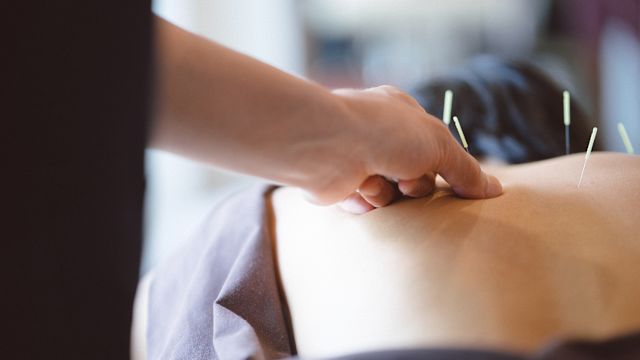
Updated on January 13, 2026
If you are living with metastatic breast cancer (MBC), it's important to do what you can to keep your body as healthy as possible. Working with a healthcare team is essential. MBC is a different experience for every person, and treatment is often an ongoing, evolving, and individualized process.
Sandy D. Kotiah, MD, is an oncologist in Baltimore, Maryland. Dr. Kotiah regularly treats patients with breast cancer, as well as colon and rectal cancer, lung cancer, blood cancers, and neuroendocrine tumors. She was named a 2020 top doctor by Baltimore magazine.
Here, Kotiah offers some insight into strategies that can help people with MBC cope with fatigue, manage pain, avoid infections, and address the mental and emotional burdens of living with cancer.
What are some of the physical challenges that people can expect when they have metastatic breast cancer?
Dr. Kotiah: With metastatic breast cancer, one of the struggles that people have is the majority of the time it's suppressing the bone marrow, so managing bone pain can be difficult. And metastatic cancer in general makes people fatigued.
Why is fatigue such an issue with metastatic breast cancer?
Dr. Kotiah: I tell people that fatigue is something that's hard to treat because a lot of things can cause it—your medical conditions, your medication, the fact that you're not sleeping well at night, the fact that you're not exercising two and a half hours a week, or if you're not hydrating. So that’s why you have to work on what you can work on, which are the diet and lifestyle factors.
What are some of those habits that can help someone cope with breast cancer?
Dr. Kotiah: I think the number one thing that helps people with energy is exercise. That's been shown across multiple studies. You have to do moderate intensity, not just taking a walk around the block, but where you get your heart rate up. That keeps your receptors sharp, prevents you from falling, prevents fractures from weaker bones, and usually makes you feel better. So go for two and a half hours of moderate-intensity exercise a week.
Eating balanced meals helps—a mix of carbs, protein, and fat. It’s also good to cut out sugar. The same goes for processed foods, like donuts and cakes and processed meats. They often have sugar, and that can make people have crashes of energy, your sugar spikes and then it comes back down and you feel more tired.
And many people ask me about this, but there are no herbs or vitamins we know of that can combat cancer.
Are there other habits that can help?
Dr. Kotiah: Hydration can help. Acupuncture can sometimes help with hot flashing if people get hot flashes from their treatments. If there's muscle and joint pain and somebody had significant surgery like mastectomies, it’s important that they consider seeing a physical therapist for their well-being.
I think meditation can be very helpful for improving sleep for people who have anxiety. I think part of what happens is because they're so focused on their physical health, they forget to take care of their mental health.
Are there other things that you recommend to people for their mental health?
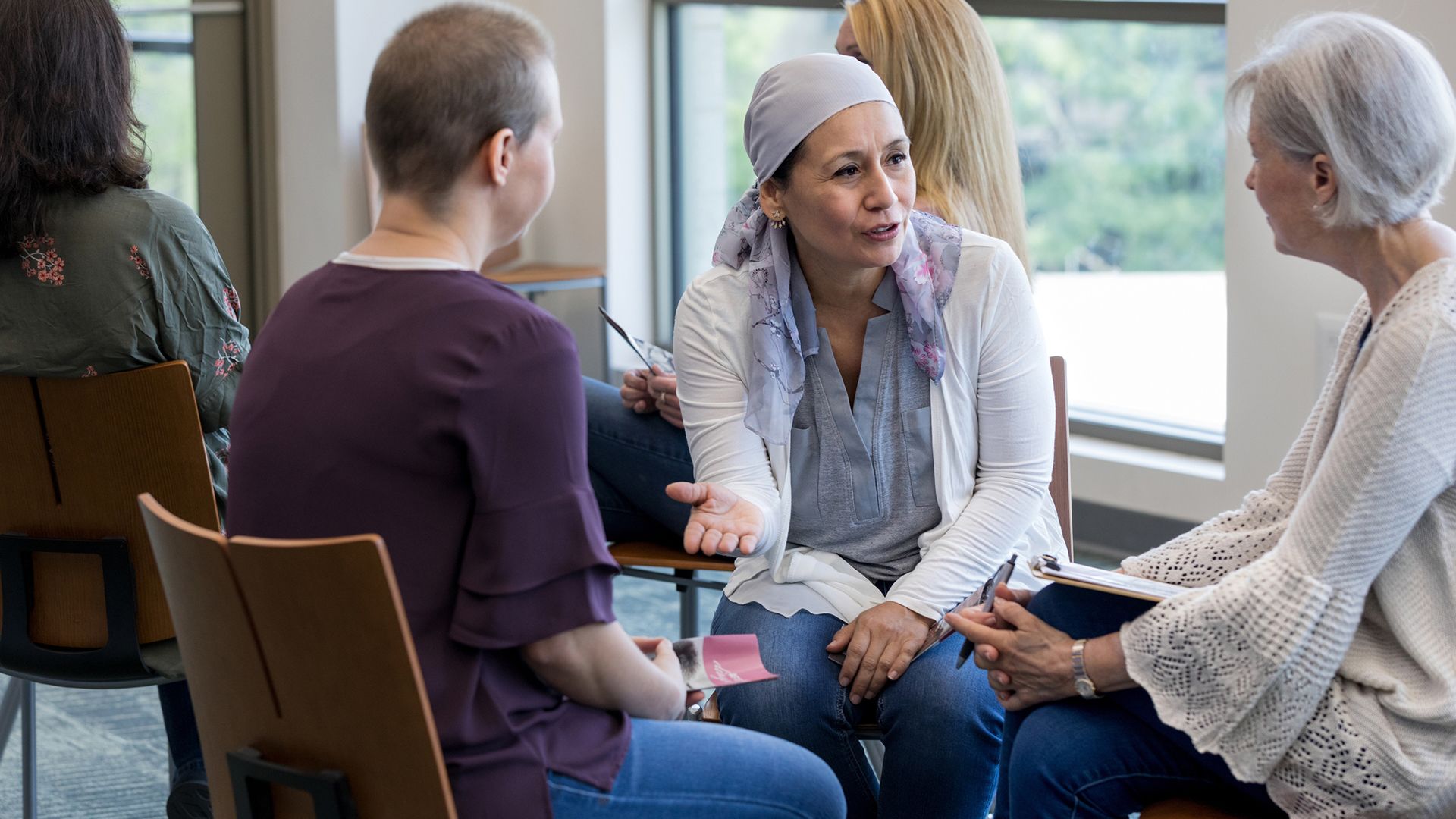
Dr. Kotiah: I think that a good therapist is worth gold. Sometimes there's palliative care teams, and the palliative care person is providing mental health counseling. Sometimes navigators are helpful because the navigators help them figure out things like, “When is my next scan?” And that helps to decrease some of the stress. So we have a lot more things in place now trying to help patients navigate their journey.
Of course, it’s always helpful to have an invested family member caregiver. Having a good attitude helps tremendously for people going through treatment, and it's easier when you have somebody who is supporting you.
Another thing that’s important for patients is that they can pay their bills and take care of themselves, because they still have to do all that stuff while dealing with cancer. So I usually have a social worker help them figure out disability support.
Why are people at greater risk of infection during treatment and what can they do to help prevent infection?
Dr. Kotiah: For metastatic patients, we usually use a class of drugs called CDK46 inhibitors. And they can really lower white blood cells, which increases infection risk. As for prevention, it’s about hand washing, hand washing, hand washing! Stay away from people who are ill, and wear a face mask. And then if you’re doing chemo, report any temperature of a 100.4 or higher to us, and ask your doctor for special precautions based on your chemo drug.
NOTE: To help prevent illness, ask your healthcare provider about vaccinations. Different people may need different vaccines based on factors such as their immunization history, type of cancer, cancer treatment, and health status.
Any additional words of advice?
Dr. Kotiah: The patients who tend to do the best are the patients who push themselves to stay strong, eat well, and follow through with all their treatment plans. They are very realistic about what they're facing, and they try to get the most out of life and enjoy it to the fullest.