Advertisement

4 ways to decrease your risk of colon cancer

Having regular screenings is essential for preventing colon cancer, but healthy habits can also lower your risk.


someone talking with a healthcare provider
1 / 5

When it comes to preventing colon cancer, which affects the large intestine, screenings are essential. That’s because during a screening test, your healthcare provider (HCP) can detect and remove precancerous growths many years before they may develop into cancer. But scheduling regular screenings isn’t the only way to help lower your risk of colon cancer. There’s plenty of evidence that healthy lifestyle habits—including what you eat and how active you are—can also play an important role. Here are 4 things that may help lower your risk of colon cancer.

young person, salad
2 / 5
Eat more vegetables, less red meat

For a cancer that involves your digestive tract, it makes sense that what you eat can impact your risk. And there’s plenty of evidence that a diet that’s high in fruits and vegetables (as well as whole grains) can lower risk of colon cancer. Studies suggest that the high-fiber content of these plant-based foods contributes to the protective effect. Some researchers say it may also be due to certain cancer-fighting phytochemicals (plants chemicals that may have an impact on health) in produce and whole grains. To reduce your colon cancer risk, aim to cut back on the amount of red meat and processed meats (like bacon and hot dogs) you eat every week. Many studies have found a link between these meats and a higher risk of colon cancer. Healthier alternatives include poultry, beans, and fish.

senior couple walking
3 / 5
Aim for regular exercise as you are able

Several studies suggest that increasing your level of activity can lower your risk of developing colon cancer. Doing some kind of moderate level activity like brisk walking or dancing for 30 to 60 minutes every day has been linked to lower risk, but you can lower your risk even more if you engage in something more vigorous. like jogging or swimming. Why is exercise protective? One theory is that being physically active speeds up the passage of food through your digestive system which decreases the time that your colon is exposed to potential cancer-causing substances (carcinogens).

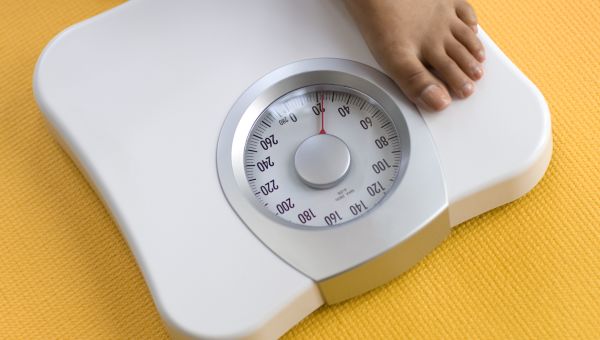
someone stepping on a scale
4 / 5
Aim to manage your weight

Carrying extra pounds can increase the risk for several types of cancer, but the evidence is particularly strong for obesity and increased risk of colon cancer. Numerous studies have shown that being overweight or obese raises the risk of being diagnosed with colon cancer. People who are obese are also more than twice as likely to die from colon cancer as those who are at a healthy weight. Lifestyle factors that can help you lose or manage your weight—eating a healthy diet and getting regular exercise as you are able—are also known to lower your risk of colon cancer.

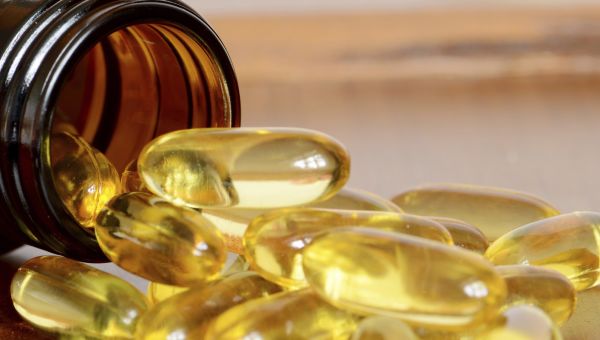
fish oil, vitamins, supplements, nutrition
5 / 5
Get enough calcium and vitamin D

Calcium is important for strong bones, and it can also help lower your risk of colon cancer. Several studies suggest that getting enough calcium (preferably from foods like low- or nonfat dairy, almonds, or leafy greens) can help reduce your risk of developing precancerous growths (called polyps) in the colon. There’s also evidence that vitamin D may help lower cancer risk. A study by researchers at the Dana-Farber Cancer Institute in Boston suggested that vitamin D may help prevent colon cancer by helping your immune system prevent the growth of cancer cells.

More On

Dx dialogues: the impact of next-generation sequencing on clinical utility

video

Dx dialogues: the impact of next-generation sequencing on clinical utility
Sanjay Juneja, MD, talks through the impact of next-generation sequencing in both somatic and germline testing.
What if advanced kidney cancer does not respond to treatment?

article

What if advanced kidney cancer does not respond to treatment?
An overview of first- and second-line therapies for advanced kidney cancer, including immunotherapy.
What does skin cancer really look like?
slideshow

What does skin cancer really look like?
Learn how to tell what splotches, sores, and other marks on your skin really mean.
Jimmy buffett dies from merkel cell carcinoma: what you should know about the disease
video

Jimmy buffett dies from merkel cell carcinoma: what you should know about the disease
Buffett died at the age of 76 at his home in Long Island.
What can I do to reduce my exposure to acrylamide?

video

What can I do to reduce my exposure to acrylamide?
Reducing exposure to acrylamide can be as easy as soaking your potatoes before cooking them and cutting the crusts off your bread. In this video, pedi...