Updated on June 21, 2024.
Maybe you’ve heard about food companies recalling products from grocery store shelves due to peanut contamination. Or perhaps your kids’ schools have gone nut-free.
It’s just a peanut, you might say. What’s the big deal?
For people with severe peanut allergies, it’s a huge deal. If you have a severe allergy, sometimes your body’s reaction can even be life-threatening.
Allergies and anaphylaxis
Close to 1 in 3 adults in the United States and more than 1 in 4 children have allergies, according to the Centers for Disease Control and Prevention (CDC). Roughly 6 percent of U.S. adults and children have a food allergy. Each year, an estimated 200,000 Americans will seek emergency medical care for allergic reactions to food.
A severe allergic reaction of this sort is known as anaphylaxis. It's a body-wide allergic reaction that can be life threatening and even fatal.
“Anaphylaxis is an immune-mediated reaction where the body responds systemically in life-threatening ways,” says Stephen Soldo, MD, an emergency medicine physician and medical director of Saint Agnes Urgent Care Northwest in Fresno, California. In other words, anaphylaxis is an allergic reaction that can kill.
Invaders and antibodies
When you have an allergic reaction, your body is trying to protect you. “Allergic reactions are meant to protect the body from foreign substances,” says Dr. Soldo. “But the trouble is, sometimes the reaction is so severe that it hurts the host.”
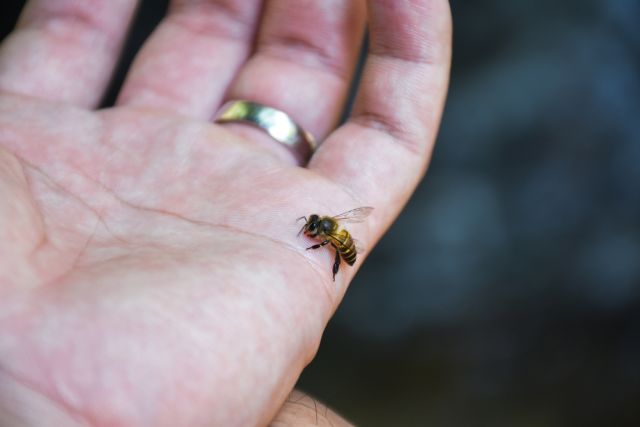
An allergen is something that provokes a strong immune system reaction in some people but not others. Common allergens include peanuts, shellfish, insect venom, and antibiotics. The immune system produces antibodies that attack these allergens and cause an allergic reaction. Each type of antibody attacks a different type of allergen.
A full-body reaction
There’s a wide range of allergic reactions, but anaphylaxis is the most serious type. Allergic reactions are generally minor the first time you’re exposed to an allergen. But as the immune system produces more and more antibodies to prepare for the next encounter with the allergen, reactions can become much more severe, says Soldo.
An anaphylactic reaction is body-wide. Hives, itching, or a rash all over your body are signs of anaphylaxis. Nausea, dizziness, shortness of breath, difficulty swallowing, low blood pressure, and swelling are other signs of a serious allergic reaction. Anaphylactic reactions start quickly, usually within minutes of coming into contact with an allergen.
What to do about severe allergic reactions
The cornerstone of treatment is epinephrine, says Soldo, available as an auto-injector. (These devices allow you to inject the medicine into your body quickly and effectively.) Steroids and antihistamines may also help, but epinephrine “will frequently be the only treatment you need and will buy you time,” Soldo says. You’ll still need to go to the hospital if the epinephrine stops the allergic reaction, since reactions can recur in four to eight hours or even later.
If you suspect someone near you is having an anaphylactic reaction, look for those full-body symptoms, says Soldo. “With anaphylaxis it’s a more generalized reaction with many different body symptoms, “ he says. “You have to look for those general symptoms.” Anaphylaxis is an emergency. Call 911 right away if you notice or experience any symptoms.