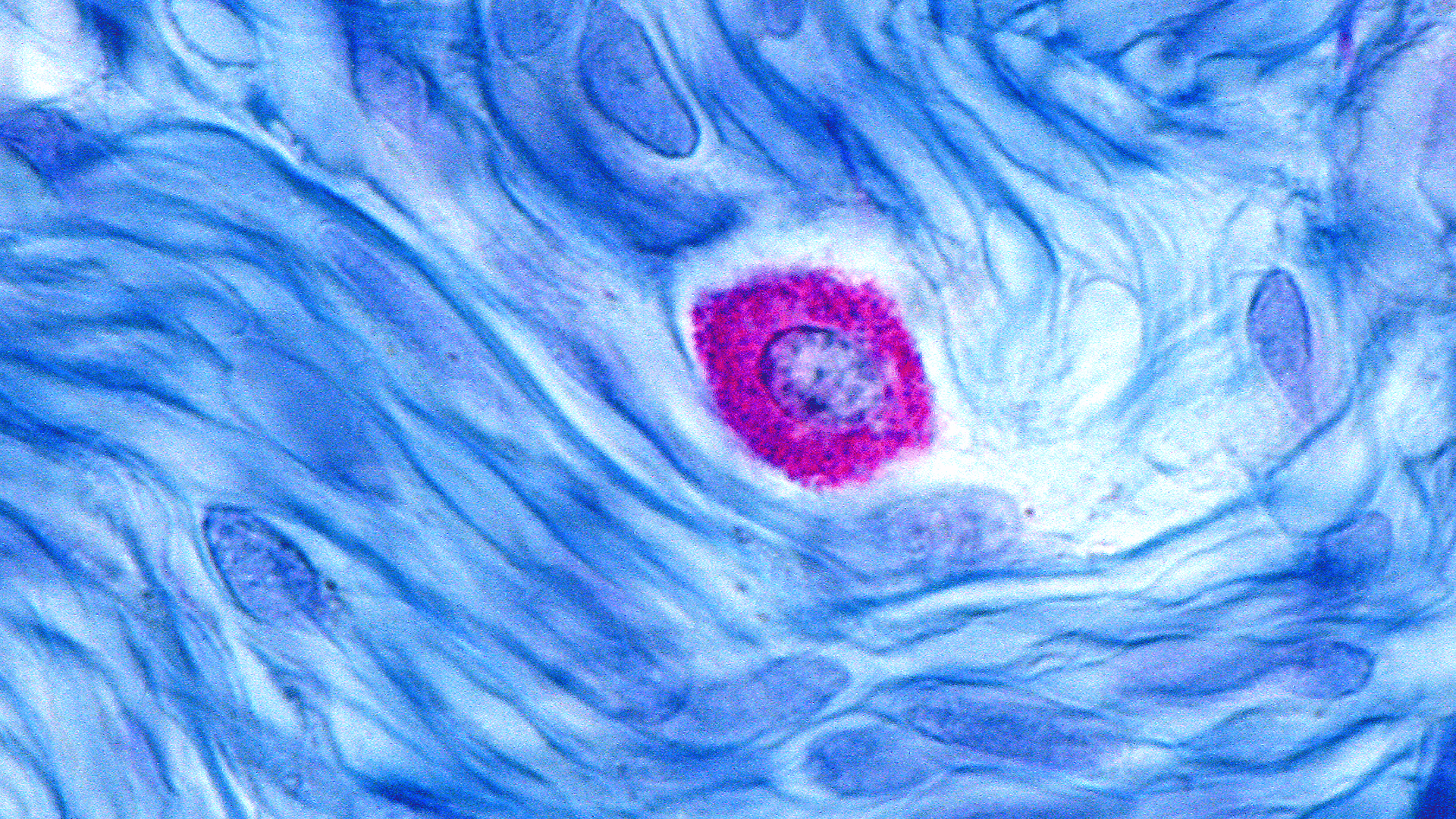
While indolent systemic mastocytosis (ISM) typically does not significantly impact life expectancy, accumulating evidence reveals substantial disease burden affecting patient quality of life across physical, psychological, and social domains.1,2 Recent research employing patient-reported outcome measures demonstrates that nearly half of patients with ISM report the condition as markedly burdensome to daily functioning.3
The symptom profile in ISM encompasses multiple organ systems. At presentation, many patients experience cutaneous manifestations including pruritus and flushing, while gastrointestinal symptoms such as abdominal pain, cramping, diarrhea, and nausea are also common.3 Fatigue emerges consistently as among the most debilitating symptoms yet remains challenging to address with current symptomatic treatments. Many patients also experience musculoskeletal pain, cognitive difficulties described as brain fog, and concerns related to osteoporosis.3
Despite a recent study reporting patients with ISM taking an average of 5.5 medications, patients continue experiencing substantial symptom burden with reduced physical functioning.4 This disconnect between treatment intensity and symptom control highlights an important gap for improved supportive care approaches that target individual symptoms alongside underlying disease mechanisms. The unpredictability of symptom exacerbations compounds disease burden, with patients frequently modifying activities and experiencing social isolation due to concerns about symptom flares.1 Fear of anaphylaxis represents a significant psychological burden, and a common general sense of anxiety reflects the uncertain nature of mast cell degranulation and mediator release inherent to the condition.1
Validated assessment tools including the Indolent Systemic Mastocytosis Symptom Assessment Form enable systematic tracking of symptom severity across domains.4 Integration of patient-reported outcomes into clinical decision-making, alongside objective disease markers, supports comprehensive assessment of treatment impact and facilitates shared decision-making regarding therapeutic interventions targeting underlying disease pathology.
Take our ISM quiz to see how your knowledge compares to your peers.