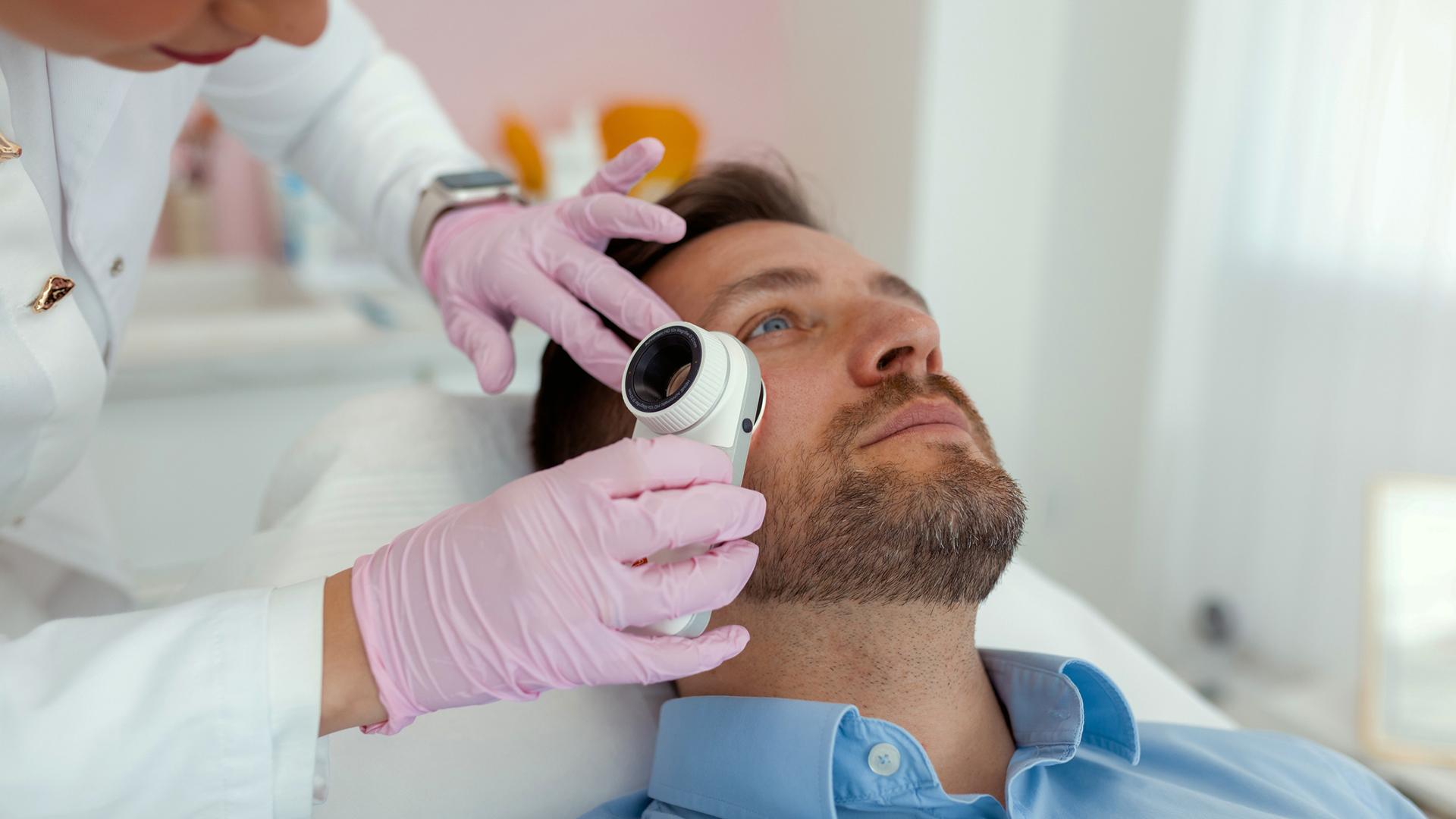
As the therapeutic landscape for advanced melanoma continues to evolve with approved cellular therapies and additional investigational approaches, coordinated, multidisciplinary care has become increasingly central to safe and effective delivery of these treatments. For cellular therapies such as tumor-infiltrating lymphocyte (TIL) products, patient selection typically involves medical oncology, surgical oncology, and cellular therapy specialists, often reviewed collectively through a tumor board to confirm candidacy.1
Eligible patients must demonstrate disease progression on prior therapy while also being able to tolerate each component of a multi-step treatment process, which for TIL therapy includes tumor procurement, lymphodepleting chemotherapy, cell infusion, and subsequent interleukin-2 (IL-2) administration.2 Adequate performance status and organ function, including renal, cardiac, and pulmonary reserve, are among the factors considered during patient selection, consistent with published expert consensus guidance.2 Following infusion, patients generally require an inpatient monitoring period, after which follow-up is often shared between the specialty treatment center and the referring oncology team.3
Important gaps remain in understanding outcomes across specific patient populations. The benefit of cellular therapy for patients with melanoma involving the central nervous system is still being characterized, and rare subtypes, including uveal and mucosal melanoma, have historically been underrepresented in clinical trials, though data in these populations, while still limited, continue to accumulate.1,4 Practical considerations, including the potential need for patients to remain near a treatment center during portions of treatment and recovery, also warrant consideration in care planning and may be a relevant factor for patients living farther from specialized centers.
This model of care reflects the considerable resources, logistical coordination, and specialized expertise involved in delivering these complex therapies safely. As more patients become potential candidates for emerging therapies, continued attention to referral pathways, treatment center capacity, and coordinated communication across the care team remains an important focus for the field.
Take our metastatic melanoma quiz to see how your knowledge compares to your peers.