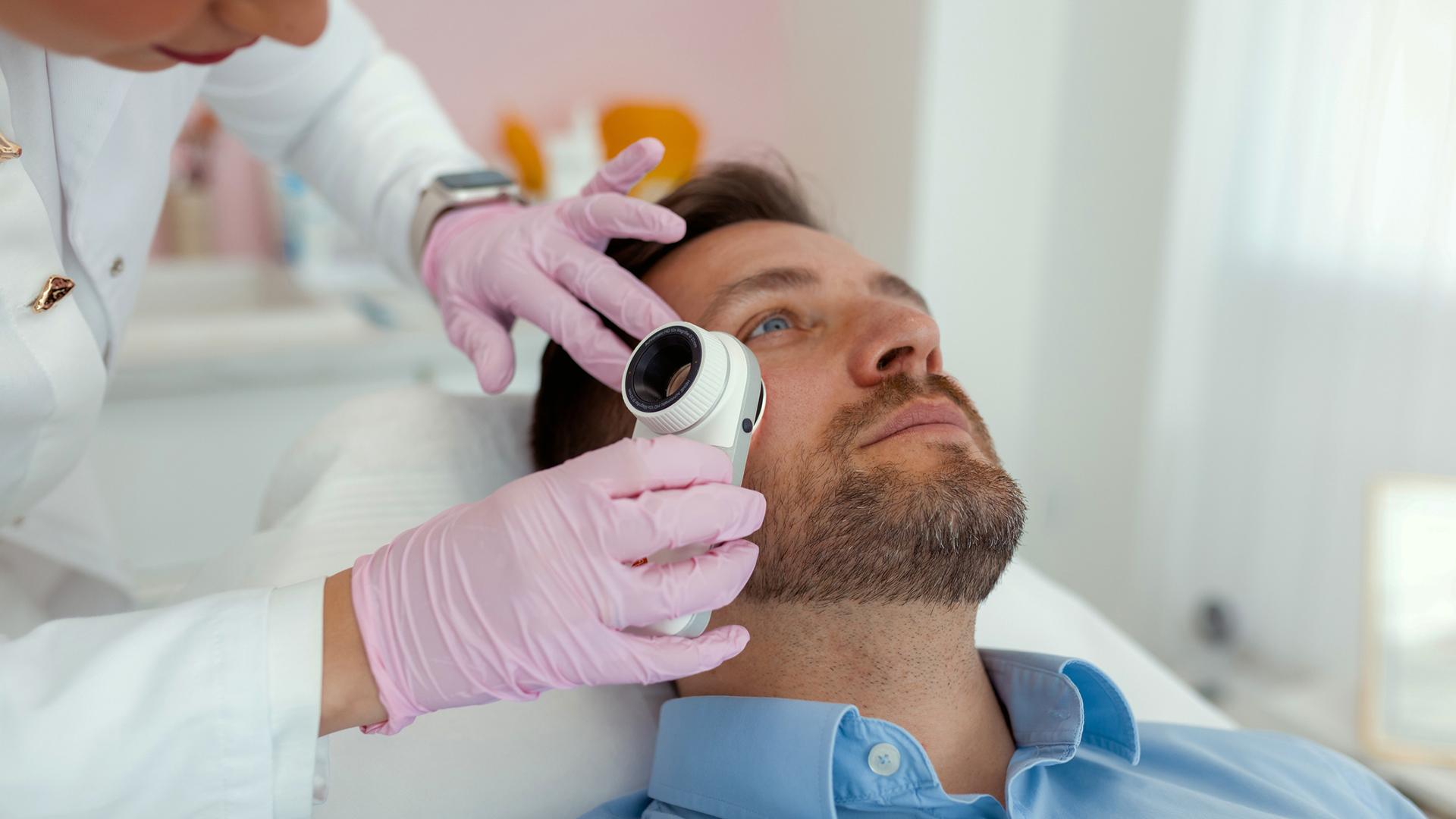
Artificial intelligence-based tools are increasingly being studied as a complement to clinical evaluation in melanoma detection and risk stratification. Algorithms applied to dermoscopic images and total-body photography have been developed to assist clinicians in identifying concerning lesions, with several validation studies reporting their potential to aid early lesion identification under retrospective conditions.1
Performance varies across studies and patient populations, and prospective, real-world validation remains more limited than retrospective analyses. Differences in training datasets, imaging conditions, and skin tone representation are among the factors that may affect how well a given tool generalizes across diverse populations, an area of ongoing research and an important consideration given known disparities in melanoma outcomes across patient groups.1
Within the broader melanoma care pathway, AI-based triage tools are generally intended to support, rather than replace, clinical and histopathologic evaluation.2 Their potential value lies in helping prioritize lesions for more urgent assessment, which may support more timely diagnosis and, when advanced disease is identified, referral to specialized treatment centers.
As with any diagnostic aid, integration into clinical workflow raises practical questions, including how findings are communicated to patients and providers, how tools are validated within a given practice setting, and how algorithmic output is weighed alongside clinical judgment.2,3 Continued real-world study is needed to define where these tools add the most value across the diagnostic and referral pathway.
While still an evolving area, AI-supported detection reflects a broader trend toward improving lesion identification and supporting more efficient triage, one piece of a melanoma care continuum that, like treatment itself, increasingly depends on timely recognition and coordinated pathways to specialized care.
Take our metastatic melanoma quiz to see how your knowledge compares to your peers.