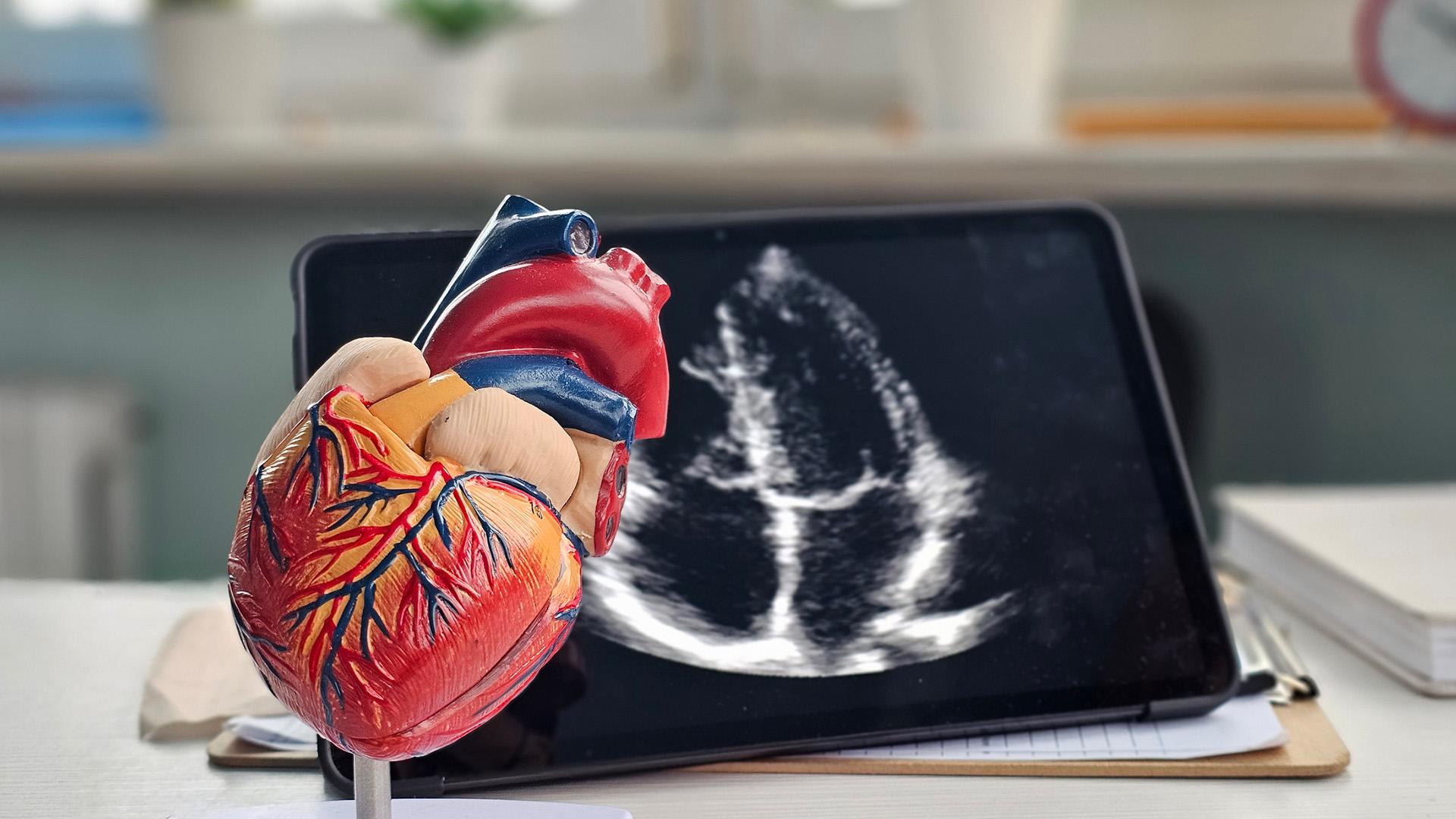
As transcatheter aortic valve replacement (TAVR) indications have expanded to include younger, lower-risk patients, clinicians face new challenges in long-term management.1 A patient receiving a first valve at age 60 or 65 may require additional interventions over the following two to three decades, making initial procedural and valve selection critically important.2
Current American College of Cardiology/American Heart Association (ACC/AHA) guidelines, last updated in 2020, recommend surgical aortic valve replacement (SAVR) for patients with a life expectancy of 20 or more years. Five- and seven-year follow-up data from the Evolut Low Risk and PARTNER 3 trials provide mid-term durability data, with approximately 7% bioprosthetic valve failure at seven years.3 The NOTION trial’s 10-year follow-up, published in 2024, showed no significant differences in mortality, stroke, or myocardial infarction between TAVR and SAVR, though the surviving cohort was small.4 These data are reassuring, but 10- to 20-year outcomes in younger patients remain limited.
Bioprosthetic valves typically demonstrate structural deterioration over 10 to 15 years, with variability based on patient and valve characteristics.5 Some patients, particularly younger recipients, may require a reintervention within 10 years.
When transcatheter valve-in-valve implantation is anticipated, anatomical factors including sinus of Valsalva dimensions, coronary ostial height, and native valve morphology should be assessed prospectively.5,6 TAVR explant is an increasingly performed cardiac surgery in the United States and is associated with operative mortality that exceeds standard risk-model predictions.7
Device characteristics including stent-frame height and implantation depth also affect future coronary access. Heart team-based shared decision-making, with explicit discussion of lifetime valve management strategy, is recommended for all patients, particularly those under 65.5
Take our aortic stenosis quiz to see how your knowledge compares to your peers.