Proper foot care is crucial for patients with diabetic peripheral neuropathy (DPN) to prevent complications including ulcers, infections, and amputations.1 Reduced sensation, combined with impaired wound healing, places patients with DPN at significant risk for both injury and reduced quality of life.1 Clinicians play a pivotal role in educating patients and implementing evidence-based strategies for foot care.
Comprehensive Foot Care
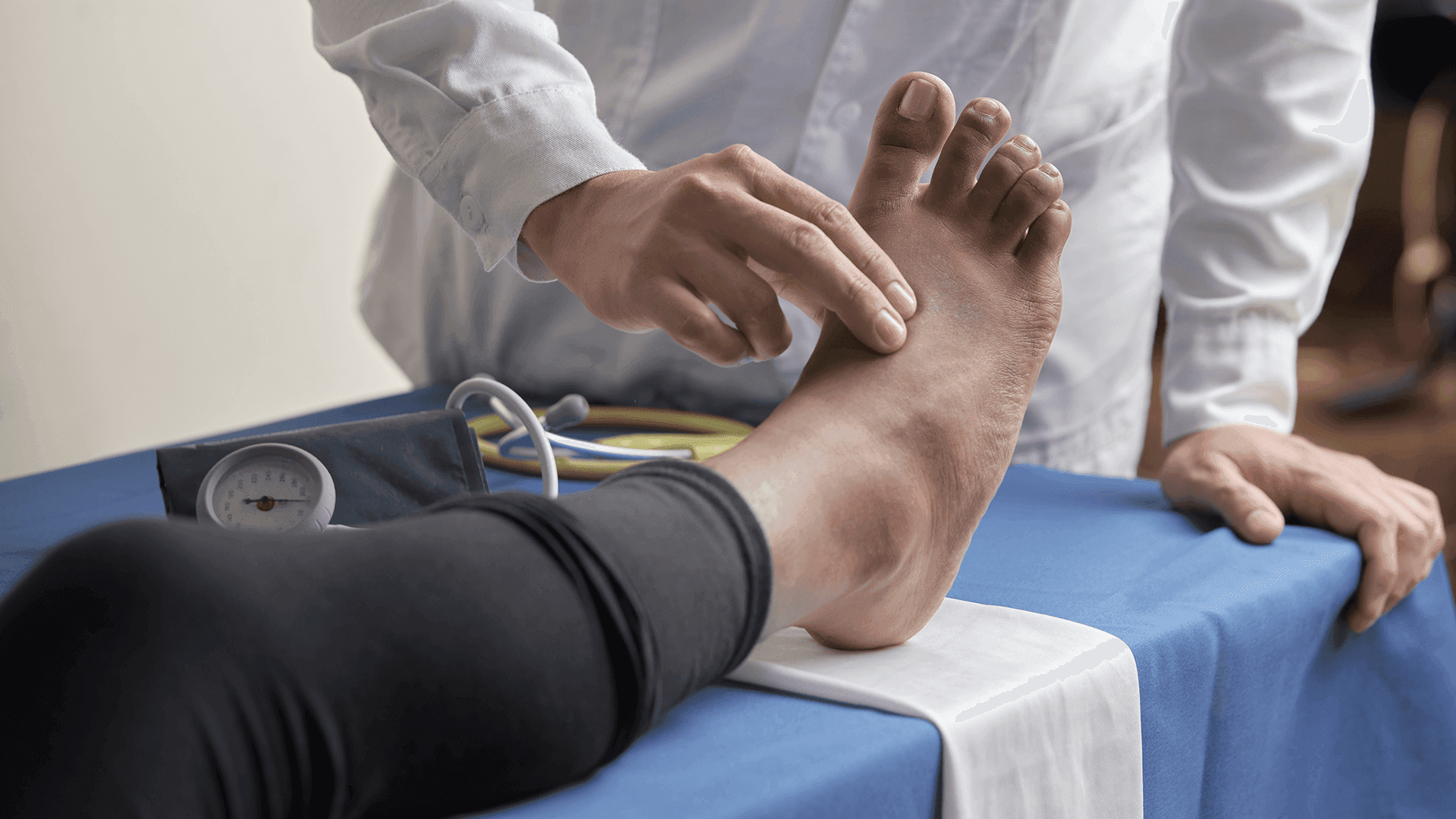
Daily foot inspections are essential for identifying injuries, redness, or swelling. Patients should be encouraged to use a mirror or seek assistance from a family member or friend if they are unable to adequately examine their feet. Proper footwear is vital, with recommendations for soft, cushioned shoes with a wide toe box that reduce pressure points or repetitive friction. Custom orthotics may be recommended for some high-risk patients. Regular debridement of calluses and prompt treatment of wounds by healthcare providers can prevent infection.1
The American Diabetes Association emphasizes annual comprehensive foot exams for all patients with diabetes, including assessments of skin integrity, sensation, and peripheral circulation.1 These exams help identify high-risk individuals requiring more intensive monitoring and care. Patients with a history of foot ulcers or other foot pathology will need comprehensive foot exams more frequently, for example every 3 to 6 months.
Emerging Pain Management
Pain management in DPN can be challenging, with combination oral pharmacotherapy as the historical foundation of treatment.1 Emerging therapies, including high-concentration capsaicin 8% patches, offer targeted relief for neuropathic pain. Capsaicin works by desensitizing transient receptor potential vanilloid 1 (TRPV1) receptors, reducing pain signaling.2 Recent studies have shown significant improvements in pain scores and quality of life with minimal systemic side effects, making this a promising option for patients unresponsive to oral therapies.
Marching Ahead
Foot care in DPN requires a proactive, multidisciplinary approach, with a focus on education, prevention, and pain management. Incorporating advanced therapies enhances the ability to address neuropathic pain while preventing complications. Clinicians must remain vigilant in protecting the health of patients’ feet and improving overall quality of life using the techniques mentioned as well as a backbone of good glycemic control.
Take our diabetic peripheral neuropathy quiz to see how your knowledge compares to your peers.