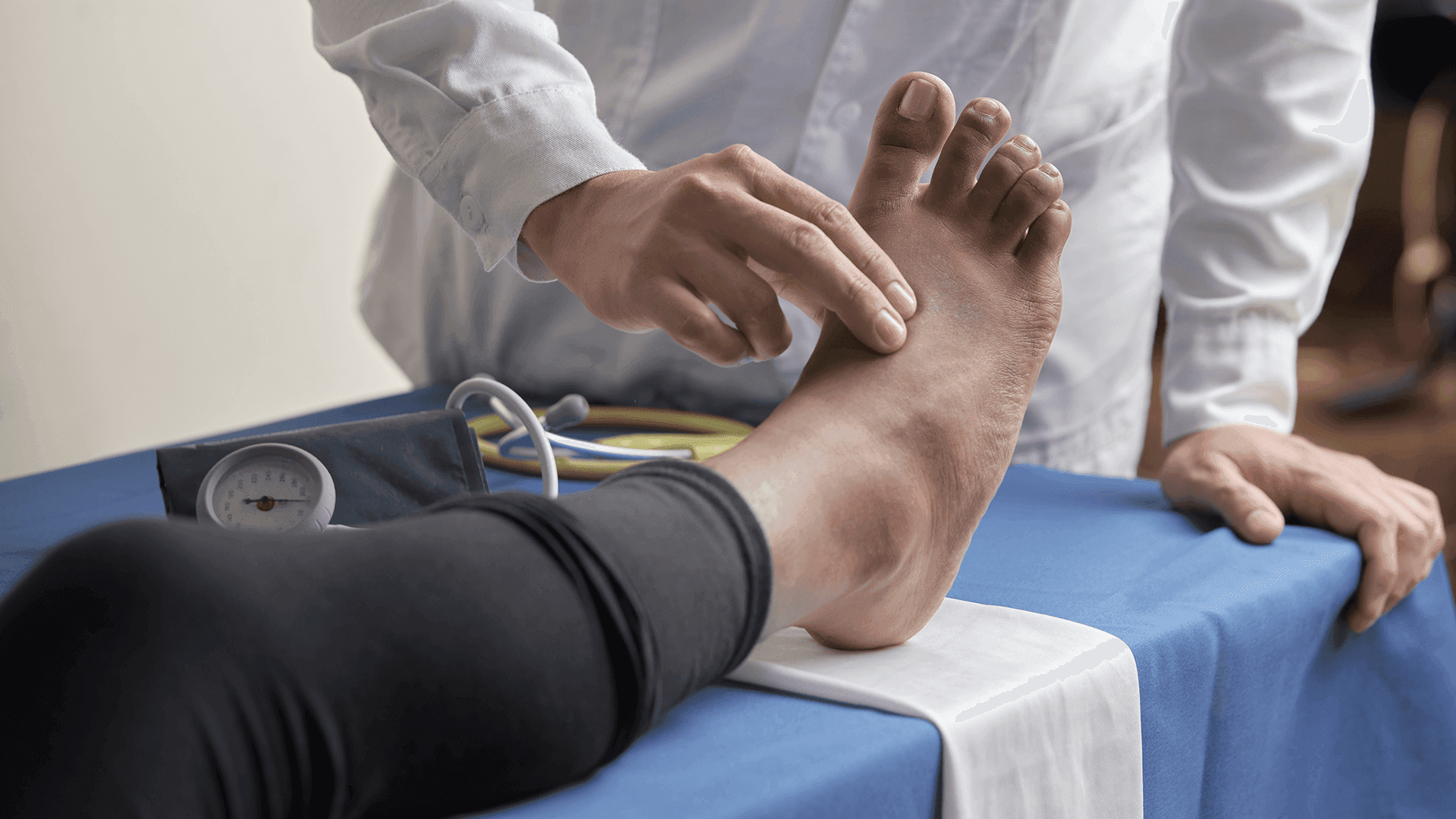
Health disparities significantly affect outcomes for patients with diabetic peripheral neuropathy (DPN). Barriers such as socioeconomic status, geographic location, and inadequate access to specialized care often delay diagnosis and treatment, worsening complications like neuropathic pain, ulcers, and amputations.1,2 As clinicians, addressing these disparities is crucial to improving patient outcomes.
Improving Access and Equity
Telemedicine has emerged as a powerful tool to bridge gaps in care. Virtual consultations enable patients in rural or underserved areas, or those with decreased mobility, to connect with specialists for early diagnosis and management of DPN. Additionally, integrating community health workers into care teams can enhance patient education, ensure adherence to foot care routines, and support lifestyle interventions. Screening for unmet social and economic needs can provide avenues for a more holistic approach to patient care. A focus on culturally tailored education materials and language-appropriate resources further empowers diverse patient populations.1,2
Policy initiatives also play a role. Getting involved in advocacy efforts for expanded insurance coverage, including provisions for neuropathy-specific treatments including orthotics and rehabilitation services, is vital. Programs targeting social determinants of health, such as transportation assistance and nutrition support, can reduce barriers to consistent care.1
Emerging Approaches to DPN Management
Recent advancements in pain management for DPN provide hope for equitable treatment. Emerging therapies, such as monoclonal antibodies targeting nerve growth factor, are under investigation and may provide innovative solutions for patients with refractory neuropathic pain.3 High-concentration capsaicin 8% patches, for example, offer a localized option that is effective and minimizes systemic side effects.4
Reducing health disparities in DPN care requires a multifaceted approach, combining technology, policy reform, and innovative therapies.1,2,5 Clinicians must remain proactive in adopting strategies that enhance equity and provide cutting-edge care to all patients, regardless of their circumstances.
Take our diabetic peripheral neuropathy quiz to see how your knowledge compares to your peers.