How is healthcare getting better?
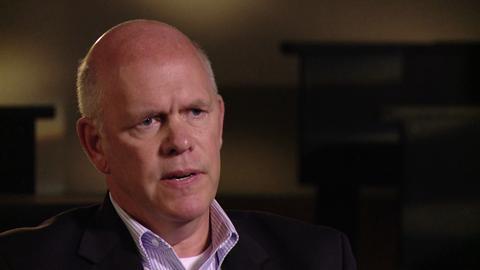
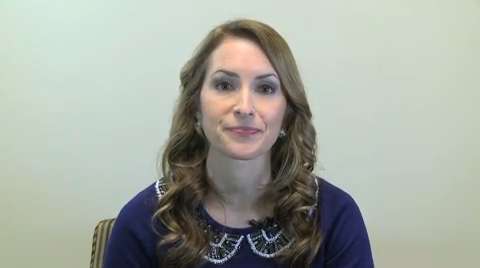
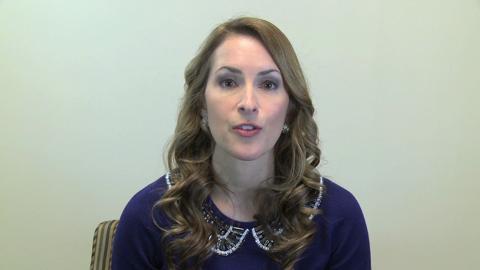
Healthcare costs are coming down and outcomes are improving, says Molly J. Coye, MD, chief innovation officer of the UCLA Health System. She explains how we can remove a third of the costs in our current healthcare system.

Transcript
I am seeing health care getting better. We're seeing the cost coming down,
the improvement in the outcomes, meaning the health for the patients. And we're seeing them being so much more
comforted and confident in their ability to care for themselves. We see this happen, so we know it can be done.
And I think for the first time, it's not just pockets where somebody has done a research project to prove it, but we're really seeing it roll out through health systems.
We know pretty clearly you can take out about 30% of the cost in the current health care system,
and that's just unnecessary duplicate testing, things that are done because they don't have the right information
because people haven't had preventive care and they come in when they're much sicker. Before, you lost money every time
you did something sensible. Now, the rules of the game are being changed. If someone comes to me with a mild illness,
it is in my interest as a doctor, as a part of a health system to keep that person healthy and not wait until they get worse
and come in to see me with a problem. You need to have reminder systems. Now we have electronic health records, and that's obviously a huge change,
especially if you're a doctor or in a hospital, it's a new world when you can get all that information right
away and easily. You need to have a way to coordinate your care so the cardiologists and the neurologists
and the primary care doc know what each other are doing. So now we have records in the pharmacy that
can track all the different medications that someone's being prescribed. For the patients themselves, what they're going to experience most of all
is the fact that a lot of the things they need to do will be so easy now. It'll be easier for them to take care of themselves
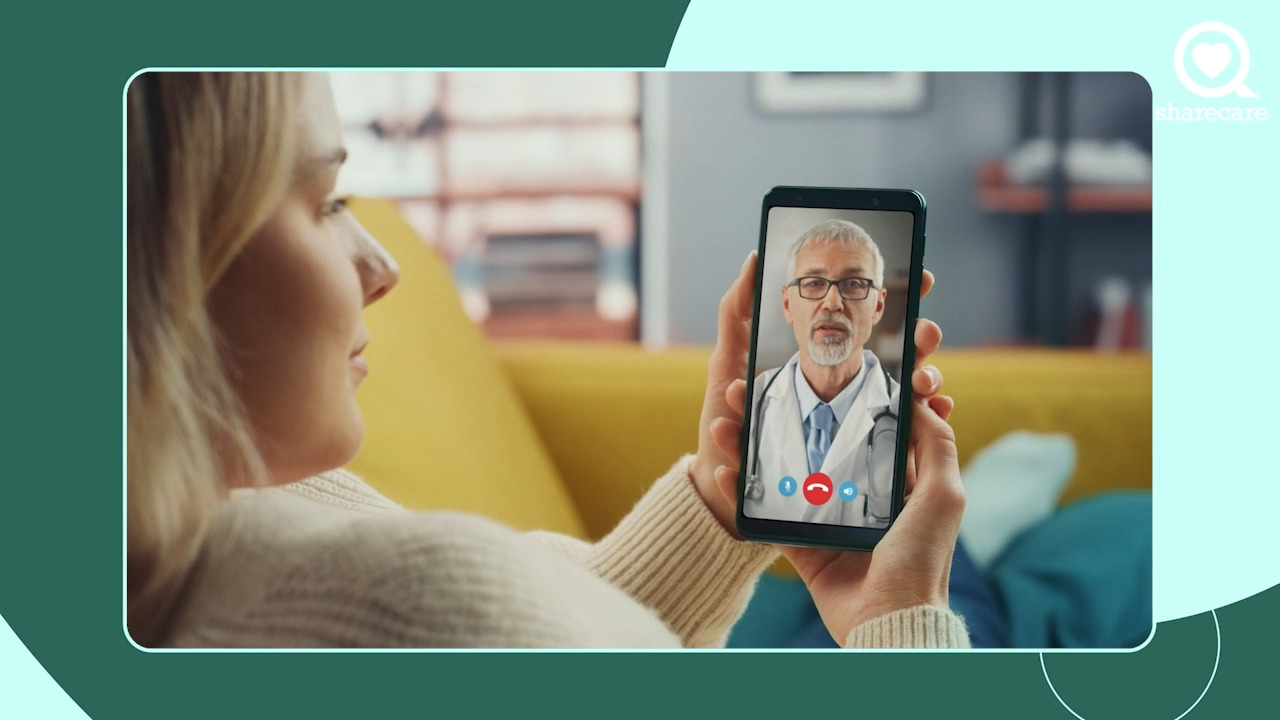
and to communicate with the doctor's office. So you wake up one morning and you feel nervous,
you think your blood pressure might be up, you're not sure, you don't just-- you can buy a blood pressure cuff today, you can measure it, but what do you do with that information?
You're sitting there looking at it. You're not sure, maybe it's a problem. Should you call your doctor? But your doctor can't answer, he's busy.
Well, instead, the machine sends the signal, there's a feedback loop that comes back to you from the doctor's office that says, this is good,
just a normal variation. Don't worry about it, but please check tonight. A very small number of people actually wind up
having to go to the hospital. And if you take out all the people who go to the emergency room because their doctor isn't available
and the people who go to the hospital because their disease was preventable, if we get things straightened out, the hospital of the future
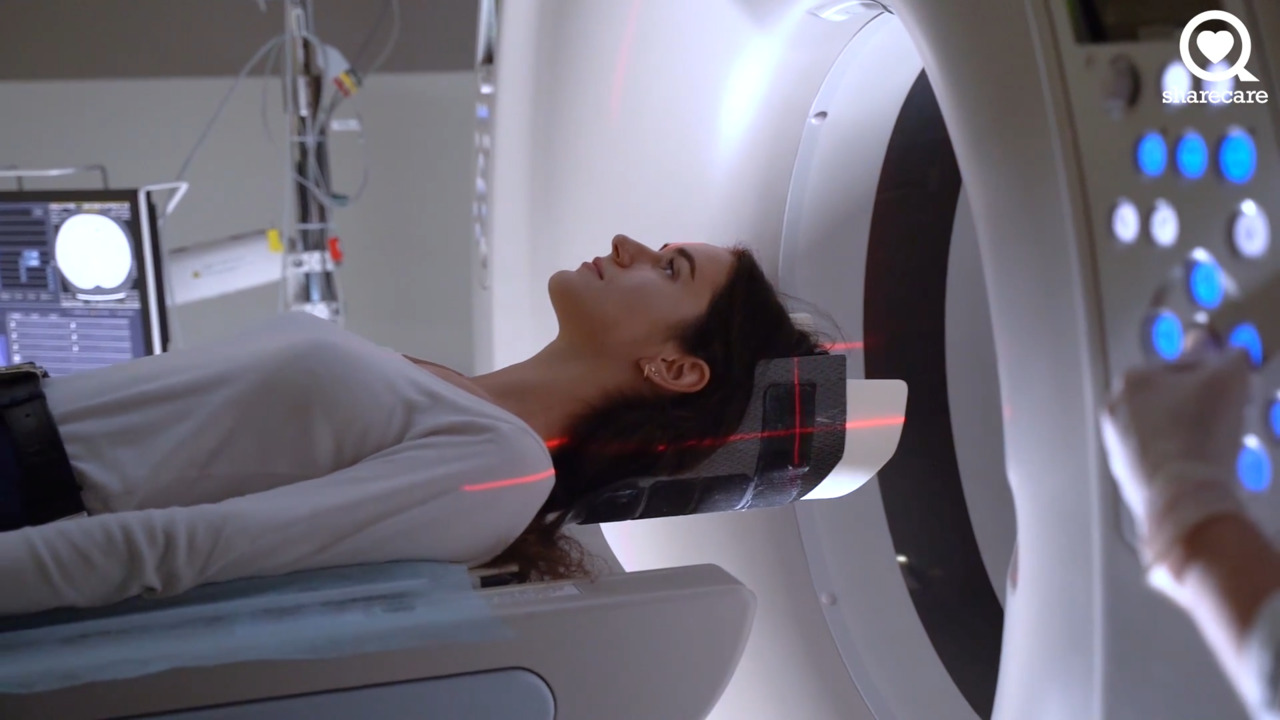
is going to be a big emergency room, because we've still got trauma and emergency problems. Big imaging.
That's basically the MRI and CAT scan, because our power to see into the human body is going to continue to grow, and those are big machines.
S the third thing is surgery because there'll be a smaller number of operations that need to be done in a hospital,
but for those, we'll need to have the capacity. So fewer people will ever go to a hospital. [AUDIO LOGO]
health care




Browse videos by topic categories
A
B
C
D
E
F
G
H
I
J
K
L
M
N
O
P
Q
R
S
T
U
V
W
X
Y
Z
ALL