Women's health
Introduction
From pregnancy, infertility, and menstruation issues, to menopause, endometriosis, polycystic ovary syndrome (PCOS) and more, this is your go-to hub for women's health and wellness topics.
You'll find information on a range of women’s health issues, including common conditions, causes, symptoms, treatments, as well as tips from leading medical experts and more.
Explore this material and if you still have questions, make an appointment to discuss them with a healthcare provider (HCP). Together, you'll find the answers you need to forge a path toward optimal health and wellness.
Female infertility
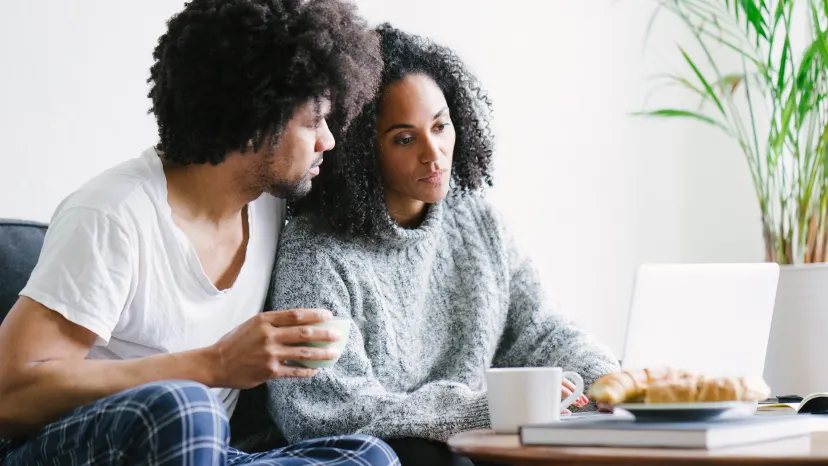
If you've been trying unsuccessfully to get pregnant, you may be wondering whether infertility is an issue. Discover the signs of infertility and the latest treatments. Plus, see common causes of infertility, as well as some surprising roadblocks to fertility you may not know about—and understand when it may be time to see an HCP.
Pregnancy
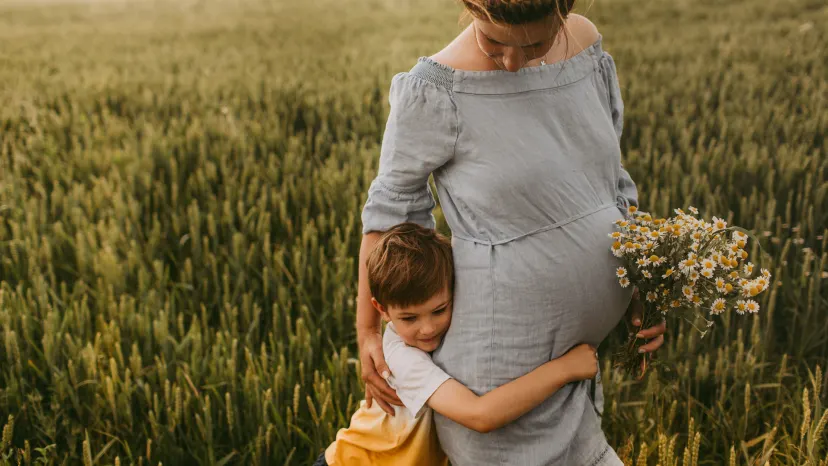
Do you think you might be pregnant? Are you planning to get pregnant soon? This may be an exciting and overwhelming time in your life, which is why it's important to get the facts about pregnancy. Discover how to recognize the early signs and symptoms of pregnancy and understand the importance of making healthy lifestyle choices and getting proper prenatal care. You'll also learn about navigating complicated pregnancies and how to distinguish between common pregnancy myths and facts.
Menstruation
For most women, periods are not much more than an inconvenience they deal with every month. But there's a lot more to menstruation than you may think. Can the routine experience offer a window into your overall health? Get to know the many stages of your cycle, as well as typical and not-so-common symptoms of menstruation and what may be causing them.
Menopause
You've probably heard about hot flashes and night sweats, but that’s not all there is to understand about menopause. At what age does menopause usually happen? Could it affect your sex life or sleep habits? Learn some lesser-known facts about menopause and discover the many options that may help ease your symptoms.
Endometriosis

If you’ve experienced pelvic pain, you may wonder if it’s a result of period cramps or something else. Whether you've been diagnosed with endometriosis or suspect you might have it, there’s a wealth of helpful information here to explore. Get the facts about endometriosis, including treatment options and lifestyle changes that may help you manage your symptoms and have you feeling like yourself again.
Polycystic ovary syndrome (PCOS)
You may have experienced acne, weight gain, or irregular periods now and then. Could these symptoms, along with other changes in your physical appearance, signal polycystic ovary syndrome (PCOS)? Learn about PCOS symptoms, treatments, and diagnosis.
Featured women’s health articles
More On Women's health


video
Woman to woman