Cancer
- What is cancer?
- What causes cancer?
- What are the types of cancer?
- How does cancer spread?
- What are the risk factors for cancer?
- What are the signs and symptoms of cancer?
- When should you see a healthcare provider?
- How is cancer diagnosed?
- What are the stages of cancer?
- How is cancer treated?
- What are the possible complications of cancer and cancer treatment?
- Can you prevent cancer?
- What is the outlook for people with cancer?
- Living with cancer
- Featured cancer health articles
Introduction
Cancer is responsible for nearly one in six deaths globally, according to the World Health Organization (WHO). It occurs when abnormal cells divide and grow uncontrollably and crowd out healthy cells. Cancer can develop anywhere in the body, although it most often forms in the skin, breasts, lung, colon, rectum, or prostate. Many types of cancer can be cured when diagnosed and treated its earliest stages.
Explore the warning signs and symptoms of cancer, why it occurs, how to lower your risk, and which treatments might help.
What is cancer?
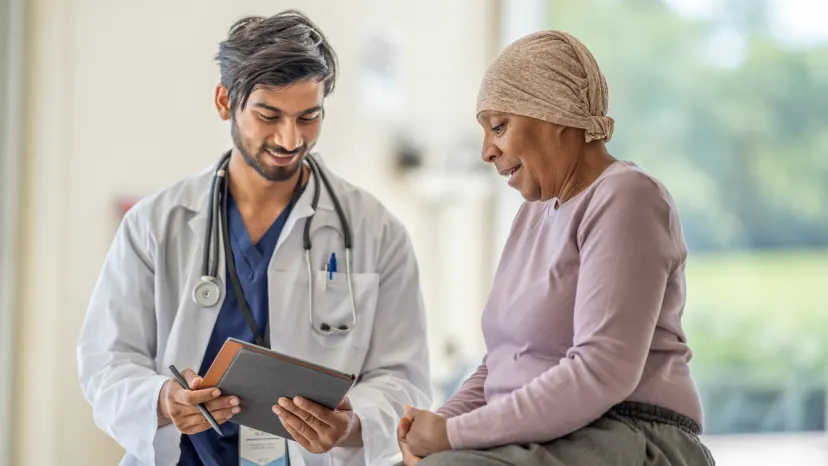
Cancer isn’t a single disease. It refers to many diseases in which abnormal cells in one part of the body rapidly divide and grow instead of dying off at the end of their lifespan, potentially invading nearby healthy tissues and spreading (metastasizing) to other areas of the body. According to the National Cancer Institute (NCI), around 39.5 percent of adults in the U.S. will be diagnosed with cancer at some point in their lifetimes. The condition is typically described based on where it begins. For instance, cancer that originates in a lung is called lung cancer.
Cancer ranks second among the leading causes of death worldwide, but innovations in cancer treatment and screening are steadily improving outcomes for many people with the condition.
What is the difference between cancer cells and normal cells?
The human body contains trillions of cells. Healthy cells ultimately die (in a process called apoptosis, or programmed cell death) when they become old or damaged. Then new cells grow to take their place.
Cancer cells, on the other hand, ignore the body’s cues to die off and begin to multiply at a rapid rate. These cells may eventually accumulate and bind together to form a lump of tissue called a tumor.
Unlike a healthy cell, a cancer cell can dodge the workings of the immune system. The immune system is the intricate network of organs, proteins, and cells that protect the body from substances like viruses that may harm the body. For example, while the immune system may work to get rid of a flu virus, it’s largely ineffective against cancer cells.
A cancer cell is also capable of infiltrating tissues made up of other types of cells, whereas a healthy cell stops growing when it encounters another type of cell.
What causes cancer?
Cancer is caused by abnormal changes (mutations) in cells, specifically in a cell’s genes. Genes contain DNA, which tells a cell how to function and grow in a healthy way. While the exact mechanisms that trigger gene mutations aren’t always clear, research shows that some of these changes are caused by:
- Errors that occur as cells naturally divide
- Genetic factors inherited from a parent (research suggests around 5 to 12 percent of cancers are caused by inherited mutations)
- Damage to cellular DNA caused by external factors
External factors that can damage DNA and lead to cancer are generally categorized as:
- Physical carcinogens (or cancer-causing substances), such as ultraviolet (UV) light from the sun and other forms of radiation
- Biological carcinogens, such as parasitic, bacterial, and viral infections
- Chemical carcinogens, such as chemicals in tobacco smoke, alcohol, asbestos, and arsenic
According to WHO, around one third of cancer deaths can be attributed to using tobacco, drinking alcohol, not getting enough physical activity, having a high body mass index (BMI), and not eating enough fruits and vegetables.
How do gene mutations cause cancer?
Mutations in genes disrupt healthy cell function and may allow mechanisms that lead to cancer development. The most common cancer-causing gene mutations are associated with:
- Rapid cell growth that produces cells with the same mutation (this involves changes in proto-oncogenes, which help cells divide in a healthy way)
- Failure to stop cell growth at the appropriate time (this is typically controlled by healthy tumor suppressor genes, which control cell death)
- An inability to seek out and repair damage to DNA (this is usually performed by a healthy DNA repair gene)
The body naturally destroys cells with damaged DNA before they can turn cancerous in many cases. But the body’s ability to identify and eliminate damaged cells usually diminishes with age, which is why many types of cancer tend to occur later in life.
What are the types of cancer?
There are more than 100 types of cancer, and they’re often named after the part of the body in which they originate (for example, pancreatic cancer starts in the pancreas). The most common types of cancers in the U.S. include:
- Skin cancer
- Breast cancer
- Lung cancer
- Prostate cancer
- Colorectal cancer
- Blood cancer (leukemia and lymphoma)
Cancer can also be categorized by the type of cell it begins in. Some broad categories of cancer include:
Carcinoma
Carcinoma is the most common type of cancer, making up around 80 to 90 percent of all cancer cases. It forms in the epithelial cells that cover all of the body’s surfaces, including the skin, organs, glands, and blood vessels. For example, carcinomas can occur in breast glands that produce milk or in the lining of the stomach.
Some of the most common types of carcinoma include:
- Adenocarcinoma: A cancer that originates in glands that line organs, adenocarcinoma can form in the prostate, lungs, breasts, pancreas, colon, rectum, and other areas of the body.
- Squamous cell carcinoma: A cancer that forms in squamous cells. These are thin, flat types of epithelial cells found in parts of the skin, lungs, esophagus, head, and neck.
- Melanoma: A dangerous skin cancer that develops in a type of epithelial cell called a melanocyte, which gives skin its pigment.
Sarcoma
Sarcomas are malignant (cancerous) tumors that form in connective tissues such as bones, tendons, muscles, fat, lymph and blood vessels, and cartilage. The most common type of bone sarcoma is osteosarcoma, which starts in the cells that form bones called osteoblasts and most commonly affects children, teens, and young adults.
Other examples of sarcomas include:
- Ewing’s sarcoma: A sarcoma that develops in bones or soft tissues surrounding bones, often in children and teens.
- Chondrosarcoma: A type of bone cancer that develops in cartilage cells.
- Leiomyosarcoma: A sarcoma that occurs in the smooth muscles of hollow organs such as the bladder, stomach, and intestines.
Leukemia
Also known as blood cancer, leukemia starts in blood-forming tissues in bone marrow (the spongy substance found in the center of most bones). Leukemia doesn’t develop as a solid tumor. Rather, it creates large amounts of abnormal, rapidly dividing white blood cells (called leukemia cells) that accumulate in bone marrow and drive out healthy cells.
The four main types of leukemia include:
- Acute myelogenous leukemia: A fast-growing cancer that occurs when myeloid white blood cells grow uncontrollably
- Chronic myelogenous leukemia: A slow-growing cancer that occurs when myeloid white blood cells grow uncontrollably
- Acute lymphocytic leukemia: A fast-growing cancer that develops in lymphocyte cells (a type of white blood cells called B cells and T cells)
- Chronic lymphocytic leukemia: A slow-growing cancer that develops in lymphocyte cells
Lymphoma
Lymphoma begins in the lymphocytes of the lymphatic system. This is a major part of the immune system that helps protect against infection and maintain healthy amounts of fluids in the body. The main types of lymphoma include:
- Hodgkin lymphoma: A blood cancer that spreads from lymph node to lymph node and contains a specific type of abnormal cell (called a Reed-Sternberg cell)
- Non-Hodgkin lymphoma: A blood cancer that spreads through the bloodstream and lymphatic system and doesn’t contain Reed-Sternberg cells
Myeloma
Myeloma originates in the bone marrow’s plasma cells. These are immune cells that produce large amounts of specific antibodies. Abnormal plasma cells (myeloma cells) can accumulate in one bone and form a single tumor, called a plasmacytoma, or they may grow in bones throughout the body and form several tumors. This is known as multiple myeloma.
Melanoma
Melanoma is a type of skin cancer that develops in the skin’s melanocytes, which are protective cells that produce melanin (the pigment that gives skin its color). Melanoma may also occur in the eye (intraocular melanoma), although this is less common than melanoma of the skin.
Brain and spinal cord tumors
There are several types of tumors that can form in the brain and spinal cord. They’re usually named after the cell in which the cancer develops. For instance, a tumor that forms in brain cells called astrocytes is called an astrocytic tumor, while cancer that starts in oligodendrocyte cells is called an oligodendroglial tumor. Brain and spinal cord tumors may also be benign (noncancerous).
Other types of tumors
Other types of cancerous tumors include:
- Neuroendocrine tumors: These are tumors that develop in the cells that release hormones into the bloodstream. Neuroendocrine tumors may be malignant or benign and can sometimes produce excess hormones.
- Carcinoid tumors: These are slow-growing neuroendocrine tumors that typically develop in the gastrointestinal tract and may produce chemicals like serotonin.
- Germ cell tumors: These are tumors that form in the embryonic cells that eventually produce sperm or eggs. Germ cell tumors may be malignant or benign.
How does cancer spread?
Cancer cells spread—or metastasize—to other areas of the body in a series of steps. In general, cancer cells:
- Grow into surrounding healthy tissues
- Invade nearby blood vessels and lymph nodes
- Use the bloodstream or lymphatic system to travel to other areas of the body
- Move into blood vessels and tissues in distant areas of the body
- Form tumors in distant tissues (metastatic tumors)
- Create blood vessel growth around metastatic tumors, allowing for continued growth
Cancer can metastasize to any area of the body, although the most common sites for cancer to spread include the liver, bones, and lungs.
Tissue changes that are not cancer
Not all abnormal tissue changes are cancerous, although some may eventually turn into cancer if they’re not promptly treated. Examples of common noncancerous tissue changes include:
Hyperplasia: This occurs when cells divide and grow rapidly, but still appear normal under a microscope. Hyperplasia may result from chronic irritation.
Dysplasia: A more advanced version of hyperplasia, dysplasia occurs when an excess of abnormal cells build up and disrupt tissue organization. Cancer isn’t present, although dysplasia may be monitored by an HCP for signs of cancer.
Carcinoma in situ: Sometimes called stage 0 cancer, carcinoma in situ is a noncancerous condition that’s more advanced than dysplasia. It’s not labeled as cancer because it doesn’t infiltrate surrounding tissues like cancerous cells do. Carcinoma in situ cells appear abnormal and may eventually turn cancerous, so treatment is typically recommended.
What are the risk factors for cancer?
A risk factor is a behavior, trait, or environmental influence that may increase a person’s risk for a disease such as cancer. Different types of cancer have different risk factors. The most common include:
Age: Cancer can occur at any age, but your risk generally increases as you get older. Cancer is most frequently diagnosed in people between the ages of 65 and 74, and the average age at diagnosis is 66 years, according to the NCI.
Family history: Having a close blood relative with cancer (including a sibling, parent, or grandparent) may increase your risk of developing cancer. Still, most cancers aren’t inherited, and even having an inherited gene mutation (such as the widely discussed BRCA1 or BRCA2 mutation) doesn’t mean you’re sure to be diagnosed.
Tobacco: Smoking cigarettes, breathing in secondhand smoke, or using chewing tobacco sharply increases the risk of several types of cancer, not just lung and mouth cancers. There is no safe amount of tobacco use; if you smoke or chew tobacco, consider quitting.
Alcohol: Drinking alcohol in excess increases your risk of cancer. The American Cancer Society (ACS) notes that alcohol use accounts for around 6 percent of all cancers. To reduce your risk, consider avoiding alcohol altogether or lowering your intake. The Centers for Disease Control and Prevention (CDC) advises people assigned female at birth to limit alcohol consumption to no more than one standard drink per day, while people assigned male at birth should not exceed two standard drinks per day. One standard drink is recognized as:
- 12 ounces of beer
- 8 ounces of malt liquor
- 5 ounces of wine
- 1.5 ounces of 80-proof distilled spirits or liquor, such as vodka, gin, whiskey, and rum
Diet: Red meats such as beef, pork, and lamb are associated with an increased risk of colon and rectal cancer, while processed meats like bacon, hot dogs, lunch meats, and sausages are linked to a higher risk of colon, rectal, and stomach cancers.
On the other hand, not consuming enough of certain foods is also linked to a higher risk of cancer. People who eat plenty of fruits and vegetables generally have a lower risk of developing cancers of the mouth, throat, stomach, and lung. Some evidence suggests that maintaining a diet rich in plant foods also reduces the likelihood of colon cancer, prostate cancer, and pancreatic cancer. Still, more research on how diet influences cancer risk is needed.
Environment: Exposure to hazardous substances at work or home may leave you more vulnerable to cancer. Toxins that can increase your cancer risk include, but aren’t limited to:
- Asbestos: A group of naturally occurring fibrous materials that were heavily used in the past to produce building and fireproofing materials
- Arsenic: A naturally occurring substance that may be found in groundwater and in mining and metal smelting areas
- Benzene: A component of crude oil that’s also used as a solvent in chemical and pharmaceutical industries
- Radon: A naturally occurring gas that may accumulate in small areas without adequate ventilation, such as basements and mines. It’s also viewed as a type of radiation.
- Formaldehyde: A strong-smelling chemical that’s used as a preservative and is found in some pressed-wood building materials, disinfectants, and fungicides
Radiation exposure: Prolonged exposure to UV radiation from the sun or tanning beds can increase skin cancer risk. You can also be exposed to radiation during radiation therapy treatment for cancer and imaging procedures such as X-ray and computed tomography (CT) scans, although the benefits of these exposures generally outweigh the risks.
Weight: Being overweight or obese increases the risk of at least 13 cancers, according to the ACS. These include breast, ovarian, thyroid, colon, stomach, liver, and kidney cancers. Excess body weight is also thought to be responsible for around 7 percent of all cancer deaths.
Other medical conditions: Some medical conditions are linked to an elevated risk of developing certain cancers. For example, having Crohn’s disease and ulcerative colitis can significantly increase a person’s risk of colon cancer.
According to a 2020 study published in Lancet Global Health, around 13 percent of cancers diagnosed globally in 2018 resulted from the following infections:
- Helicobacter pylori (H. pylori)
- Human papillomavirus (HPV)
- Epstein-Barr virus (EBV)
- Hepatitis B virus
- Hepatitis C virus
Hepatitis B and C viruses are associated with a higher risk of liver cancer. EBV (the virus that causes mononucleosis) is associated with an increased risk of nasopharyngeal cancer and select types of acute lymphomas, though EBV doesn’t cause cancer or other serious health concerns in most people. HPV is considered a major cause of cervical cancer and can also play a role in some mouth, throat, vulvar, and anal cancers.
Another common infection that’s associated with an elevated risk of cancer is human immunodeficiency virus (HIV) infection. HIV can increase the likelihood of developing cervical cancer, central nervous system lymphoma, and an uncommon skin cancer called Kaposi sarcoma, among other diseases.
It's important to remember that having one or more risk factors doesn’t mean you’ll get cancer, and it’s possible to develop cancer without any known risk factors. Regardless of your individual cancer risk, you should be mindful of any changes in your body or unusual symptoms and promptly discuss them with a healthcare provider (HCP).
What are the signs and symptoms of cancer?

Cancer symptoms can vary significantly according to what type of cancer is present, its location in the body, and whether it has spread. In general, though, possible signs and symptoms of cancer include:
- A cough or voice hoarseness that won’t go away
- A lump or swelling anywhere in the body
- Changes in bowel or bladder habits, including blood in stool or urine
- Changes in skin, including rash, itchiness, discoloration, changes in a mole, or a nonhealing wound or growth
- Fever (especially at night) or night sweats
- Frequent bronchitis or pneumonia infections
- Headaches
- Loss of appetite
- Persistent, severe fatigue
- Shortness of breath
- Trouble swallowing
- Unexplained bruising or bleeding
- Unexplained changes in vision or hearing
- Unexplained indigestion or belly pain
- Unexplained muscle or joint pain
- Unexplained weight loss or weight gain
When should you see a healthcare provider?
It’s always a good idea to speak with your HCP if you experience any unusual changes or symptoms, especially if they don’t seem to resolve or improve with self-care measures. While many possible signs of cancer are often connected to noncancerous conditions, only a medical professional can diagnose or rule out cancer and provide appropriate treatment.
Some HCPs and genetic counselors specialize in assessing a person’s genetic risk for cancer. If you have multiple cancer risk factors or would like to learn more about your individual risk, consider speaking with a professional who provides genetic counseling or testing.
How is cancer diagnosed?
Your HCP may recommend a series of tests if you’re experiencing possible cancer symptoms or if a routine cancer screening reveals a suspicious area. There’s no single lab test that can definitively diagnose or rule out cancer, so multiple diagnostic methods—in addition to a thorough physical exam and review of symptoms and personal and family medical histories—may be used to find answers.
Blood tests
Blood tests can be used to help screen for signs of disease. Common blood tests for cancer include:
Complete blood count (CBC): This test measures the number of platelets, red blood cells, white blood cells, and hemoglobin (a protein that transports oxygen) in your blood, along with the size of your red blood cells and what percentage of your blood is made up of red blood cells (hematocrit). A CBC is particularly helpful in diagnosing leukemias and keeping tabs on health during and after cancer treatment.
Blood chemistry testing: This test measures the levels of substances like fats, electrolytes, proteins, sugars, and metabolites in the blood. Low or high levels of these substances may indicate cancer in the liver, kidneys, or other organs.
Tumor marker testing: This test screens for high levels of substances that may be produced by cancerous tumors or other structures in the body in response to cancer. Tumor marker tests can be used to help diagnose cancer, measure how well cancer treatment is working, or screen for signs of cancer recurrence.
Circulating tumor cell testing: Some cancerous tumors may shed cells. Monitoring the amount of tumor cells in the blood can help HCPs keep track of cancer activity.
Imaging tests
Several imaging tests can be used to help identify abnormalities like tumors inside the body and diagnose cancer:
X-ray: This imaging method uses a safe amount of electromagnetic energy—a type of radiation—to create pictures of soft tissues and bones.
Computed tomography (CT) scan: This scan combines X-ray and computer technology to take detailed pictures of organs from different angles. A contrast dye may be administered by mouth or through a vein before a CT scan to help outline areas of focus in the body.
Magnetic resonance imaging (MRI): This imaging test uses magnetic technology and radio waves to produce images of the body in “slices,” which are combined to create detailed pictures. An MRI scan may also involve administering a contrast dye through a vein to help highlight tumors and other abnormalities.
Ultrasound (US) scan: During an ultrasound, a medical professional slowly glides a device called a transducer over the area of the body under examination. The transducer emits high-energy sound waves (undetectable to the human ear) that echo off structures inside the body. Echoes are sent to a computer that creates a picture (sonogram) of the area.
Positron emission test (PET) scan: This type of nuclear scan creates three-dimensional pictures that highlight areas of the body where glucose is used up. Cancer cells consume more glucose than healthy cells, so a PET scan can expose areas of cancerous activity. Before the test, a safe injection of radioactive glucose is administered to better show areas of cancer.
Iodine meta-iodobenzylguanidine (MIGB): This nuclear imaging test is used to help diagnose neuroendocrine tumors. A small amount of radioactive tracer (MIGB) is injected into the bloodstream and absorbed by neuroendocrine cells. A special camera is then used to capture images of the cells, which are evaluated by an HCP for abnormalities.
Biopsies
A biopsy is required to confirm a diagnosis of cancer in many cases. During a biopsy (such as a skin biopsy), a small sample of tissue is removed and reviewed by a pathologist (a doctor who is specially trained to identify diseases by examining cells under a microscope). There are multiple types of biopsy procedures for cancer, including:
Needle biopsy: Also called a fine-needle aspiration, a needle biopsy involves inserting a thin needle into an abnormal lump to draw out a small amount of cells, tissue, or fluid for testing. Breast cancer, thyroid cancer, and cancer in the lymph nodes are often diagnosed through needle biopsies.
Endoscopic biopsy: During an endoscopic biopsy, a thin, lighted tube called an endoscope is inserted into a natural opening in the body (such as the mouth or anus) and used to remove a small amount of tissue for testing. Examples of endoscopic biopsies include:
- Colonoscopy, which examines the colon and rectum
- Bronchoscopy, which examines the lungs, bronchi, and trachea
Surgical biopsy: A surgical biopsy involves surgically removing an abnormal-looking growth or tissue for testing. There are two main types of surgical biopsies:
- Incisional biopsy, which removes a portion of the suspicious area
- Excisional biopsy, which removes the entire suspicious area
Some surgical biopsies may require taking a sedative or undergoing local, regional, or general anesthesia.
Questions to ask your healthcare provider
Receiving a cancer diagnosis can leave you with plenty of questions. Your healthcare team is your best source of information, so don’t be afraid to ask questions and find answers. A few good questions to start with include:
- Where and how do you think my cancer started?
- What other HCPs will I need to see?
- Do I need additional testing?
- Will I need cancer surgery?
- How will my cancer and treatment plan impact my everyday life?
- What is the goal of treatment? Is this cancer curable?
- Will I be able to have children after treatment?
- How long will treatment last, and what can I expect?
- When should I call you?
- Will I need to take any extra precautions during treatment?
- What are the chances my cancer will return after treatment?
What are the stages of cancer?
The next step after a cancer diagnosis is to stage the cancer. This determines how much cancer is in your body and whether it has spread. Assigning a stage to your cancer allows your care team to understand the extent of your condition and to create an appropriate treatment plan. In general, early-stage cancers are easier to treat than late-stage cancers.
Different types of cancer have different staging criteria, but the most widely used approach is the Tumor Node Metastasis (TNM) staging system. This system focuses on three key characteristics of a cancer:
- Tumor (T): The size and spread of the original (primary) tumor
- Node (N): The involvement of surrounding lymph nodes, if any
- Metastasis (M): Whether the cancer has spread (metastasized), and if so, how far
Numbers may be assigned to each letter. For example, T0 refers to a tumor that can’t be found, while T4 indicates a large tumor that has spread to distant areas of the body. In many cases, TNM stages are generally grouped into five less-detailed stages that range from 0 to 4:
- Stage 0: Abnormal cells that aren’t cancer, but could eventually become cancerous (such as carcinoma in situ)
- Stage 1: Cancer is present, but is small and confined to the area in which it developed
- Stage 2: Cancer is larger than stage 1, but hasn’t spread to surrounding tissues. (For some types of cancer, stage 2 entails nearby lymph node involvement.)
- Stage 3: Cancer is larger than stage 3 and has started to spread to surrounding tissues and nearby lymph nodes.
- Stage 4: Cancer has spread to another area of the body (called metastatic cancer).
In other cases, cancer may simply be described as:
- Localized: Cancer is confined to its area of origin and has not spread.
- Regional: Cancer has traveled to surrounding organs, tissues, or lymph nodes.
- Distant: Cancer has metastasized to distant areas of the body.
How is cancer treated?
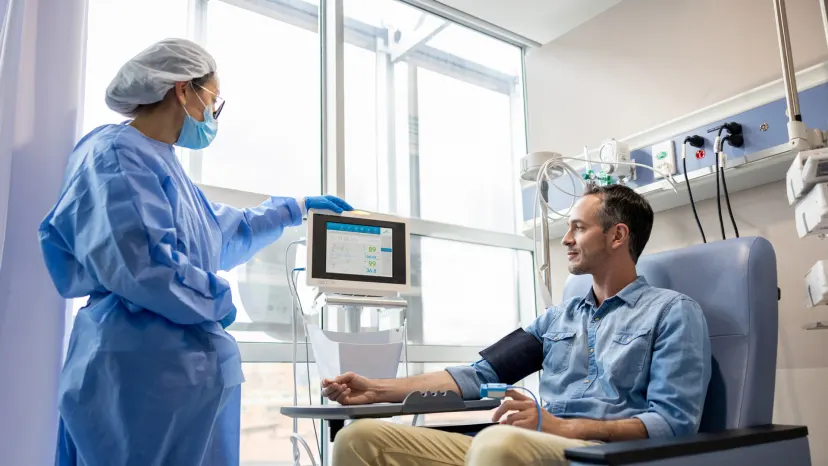
Cancer treatment is generally overseen by an oncologist, or a doctor who specializes in evaluating and treating cancer. Some oncologists focus on surgery (surgical oncologists) or radiation therapy (radiation oncologists). Your cancer treatment team will likely include multiple HCPs. For example, if you have leukemia, you may also receive care from a hematologist who specializes in blood and bone marrow diseases.
Your best course of cancer treatment will depend on what type and stage of cancer you have along with your overall health, care preferences, and other individualized factors. Generally speaking, many cancer treatment plans include a combination of the following:
Surgery
The goal of cancer surgery is to remove as much cancer as is safely possible from the body. There are several types of cancer surgery, including:
- Tumor removal: Sometimes called excision or resection surgery, tumor removal typically involves cutting out a tumor and a small margin of surrounding tissue. The length of the incision will depend on the type, size, and location of the cancer.
- Debulking surgery: If a tumor can’t be fully removed due to its size or location in the body, debulking surgery may be performed to remove as much of the tumor as is safely possible.
- Palliative surgery: If cancer can’t be cured, palliative surgery may be performed to help relieve side effects of tumors and improve quality of life. For example, palliative surgery can be used to relieve nerve compression or remove blockages in the digestive tract.
Cancer surgery is often combined with other treatments, such as chemotherapy and radiation therapy.
Chemotherapy (chemo)
Chemotherapy uses potent, cancer-fighting drugs to destroy cancer cells throughout the body. It’s usually administered through a vein (intravenously) or in pill form. Chemotherapy is sometimes delivered directly to the affected area. For example, intravesical chemotherapy for bladder cancer involves sending drugs into the bladder through a thin tube inserted in the urethra (the duct that carries urine out of the body).
Radiation therapy
Radiation therapy uses high-energy beams like X-rays or protons to destroy cancer cells in a specific area. Treatment involves delivering radiation to a precise location in the body, either from a machine called a linear accelerator (external radiation) or from a small radiation source placed inside the body (internal radiation, or brachytherapy). Radiation therapy is often used in conjunction with chemotherapy and surgery.
Stem cell transplant
Blood cancers and chemotherapy can both damage stem cells in bone marrow. Healthy stem cells are needed to create healthy blood cells. A stem cell transplant (sometimes called a bone marrow transplant) replaces damaged stem cells with healthy ones donated from another person (a procedure called allogeneic transplantation) or collected from the patient prior to starting chemotherapy (autologous transplantation).
Immunotherapy
A newer focus of cancer research, immunotherapy harnesses the power of the body’s own immune system to identify and target cancer. It’s also called biological therapy. Ordinarily, the immune system doesn’t recognize cancer as a danger to the body. Immunotherapy enables the immune system to see cancer as a threat. Different types of immunotherapy work in different ways. Some help the immune system destroy cancer cells, while others slow or stop their growth.
Hormone therapy
Some cancers, including certain types of breast cancer and prostate cancer, are fueled by hormones. Removing these hormones or taking medications to block their effects can help slow or prevent cancer growth.
Targeted drug therapy
Targeted drug therapy disrupts the genetic changes that turn healthy cells into cancer cells without hurting healthy tissues. Some types of targeted drug therapies are designed to stop or slow cancer growth, while others attack cancer cells directly.
Clinical trials
A clinical trial is a research study that involves humans. There are currently thousands of clinical trials underway to help people with cancer achieve better outcomes. Many clinical trials are performed with the goal of:
- Discovering new cancer treatments or improving existing therapies
- Finding more efficient ways to detect and diagnose cancer
- Minimizing cancer symptoms or treatment side effects to improve patient quality of life
- Preventing cancer
To learn if you’re eligible to participate in a cancer clinical trial, speak with your HCP.
Alternative medicine
While some complementary and alternative medicine (CAM) approaches may help improve mood and relieve cancer symptoms and treatment side effects, they are not an effective replacement for conventional cancer treatment. If you have questions about CAM methods that may benefit you during treatment, consulting with your HCP is a good place to start.
Some of the CAM approaches that have been used to ease various symptoms of cancer or treatment side effects include:
Combining HCP-approved alternative medicines with traditional treatment methods is known as integrative medicine.
What are the possible complications of cancer and cancer treatment?
The possible complications of cancer and its treatments are wide-ranging and can vary considerably from person to person. Specific complications and side effects will depend on what type and stage of cancer is present and what treatments are being used. In general, though, someone with cancer may experience or be at risk for:
- Chemical changes: Cancer can disrupt the body’s natural chemical balances, which may lead to excessive thirst, confusion, frequent urination, and other unusual symptoms.
- Constipation or diarrhea: Cancer and its treatments can negatively impact bowel health and cause constipation or diarrhea.
- Deep vein thrombosis (DVT): People with cancer have an elevated risk of DVT, which occurs when a blood clot forms in a vein deep within the body (often in the legs).
- Fatigue: Fatigue is a side effect of many cancers and several treatments, including chemotherapy and radiation therapy.
- Hair loss: Certain types of chemotherapy can cause hair loss, although hair typically begins to grow back two or three months after chemo is completed.
- Lymphedema: Removing lymph nodes during cancer treatment may prevent proper lymph node drainage and result in lymphedema. This is swelling caused by a buildup of lymph fluid in the body.
- Nausea or vomiting: Certain cancers and treatments may lead to nausea or vomiting.
- Nervous system issues: Cancers in the brain can press against surrounding nerves and trigger headaches, weakness, or loss of function on one side of the body.
- Neutropenia: Chemotherapy can lead to neutropenia. This occurs when the number of white blood cells called neutrophils falls below normal, weakening the immune system and raising the risk for other types of illness and infection.
- Pain: Some cancers and treatments cause pain that can make it difficult to stay active.
- Paraneoplastic syndromes: These rare immune responses to cancer can trigger a wide range of symptoms, including seizures and trouble walking.
- Shortness of breath: Cancer treatments and cancer itself can make someone feel like they’re frequently out of breath.
- Trouble remembering things or thinking clearly: “Chemo brain,” a common side effect of chemotherapy, is characterized by forgetfulness, difficulty focusing, and brain fog.
- Weight loss: Both cancer and cancer treatments can cause substantial weight loss, either by reducing appetite or depriving healthy cells of nutrients.
People with cancer may experience new or worsening mental health issues like depression and anxiety. According to a 2020 research summary published in Epidemiology and Psychiatric Sciences, at least 30 to 35 percent of cancer patients deal with psychiatric disorders throughout treatment, most notably depression, anxiety disorders, and trauma- or stress-related disorders. Another 15 to 20 percent of patients display psychosocial concerns such as anxiety related to their health, loss of meaning, and existential distress.
Many physical and mental complications of cancer and its treatment can be improved or managed through medication, therapy, or making lifestyle adjustments, such as prioritizing sleep, eating a nutrient-rich diet, and getting as much physical activity as possible.
If you experience new or unusual symptoms during cancer treatment, be sure to promptly discuss them with your care team. Your HCP may be able to alter medication dosages or recommend new therapies or lifestyle adjustments to help you avoid complications and feel better.
Can you prevent cancer?
Between 30 and 50 percent of cancers can be prevented by avoiding or reducing controllable risk factors and applying evidence-based prevention strategies, according to the WHO. To reduce your cancer risk, try:
- Asking your HCP about receiving immunizations against viral infections that could contribute to cancer, such as HPV and hepatitis B
- Avoiding or limiting alcohol consumption
- Avoiding or quitting tobacco products
- Eating whole, nourishing foods, including plenty of fruits and vegetables
- Losing excess weight
- Minimizing your exposure to UV rays by wearing protective clothing, applying SPF 30 sunscreen, and avoiding indoor tanning methods
- Reducing your exposure to harmful substances such as secondhand smoke, radiation, asbestos, and outdoor air pollutants as much as possible
- Regularly engaging in physical activity
Unfortunately, no amount of healthy lifestyle choices can definitively prevent every type of cancer. Consider speaking with your HCP about your individual risk factors and what cancer screening methods are appropriate for you based on your age, family history, and sex assigned at birth. Regular cancer screenings can help identify precancerous conditions or cancers in an early stage when they’re easier to treat.
What is the outlook for people with cancer?
Cancer is the second-leading cause of death in the world, but advances in cancer screening and treatments are improving outcomes in many cases. Cancers that were once considered incurable now have treatment options, and it’s possible to survive cancer or live with the disease—and in some cases, live well—for many years.
In 2022 alone, the U.S. Food and Drug Administration (FDA) issued 40 drug approvals for use in cancer patients. And as of early 2022, there were more than 18 million cancer survivors in the U.S. (compare that to just 3 million in 1971).
According to the NCI’s Surveillance, Epidemiology, and End Results (SEER) program, the five-year relative survival rate for cancer of any site (excluding nonmelanoma skin cancer) between 2013 and 2019 was 68.7 percent. This means that 68.7 percent of people diagnosed with cancer were still alive five years after their diagnosis. Survival rates are expected to improve, as the overall rate of cancer deaths in the U.S. is steadily dropping.
With this in mind, the outlook for cancer varies considerably according to its type. For instance, pancreatic cancer has the lowest five-year relative survival rate at 12.5 percent, while the survival rate for thyroid cancer is 98.5 percent. Factors such as your age, overall health, and the stage of your cancer at diagnosis will also have a substantial impact on your individual prognosis. You are unique, so your cancer prognosis will be, as well.
Living with cancer
There’s no one-size-fits-all approach to living with cancer. After all, your cancer experience is unlike anyone else’s. Finding healthy ways to cope with your diagnosis and manage the challenges cancer may bring can help you sustain your well-being and improve your quality of life as you go through treatment.
No matter what health challenges you’re facing, it often helps to share your fears, frustrations, or stressors with trusted loved ones or a licensed mental health professional. This might include a clinical social worker, counselor, psychologist, or psychiatrist. You may also benefit from speaking with others who face similar challenges in an online or in-person cancer support group. (Attending a support group is often helpful for caregivers, as well).
Prioritizing your physical health in addition to your mental health is important following a cancer diagnosis. Your HCP can provide you with individualized guidance, but some general healthy living guidelines for people with cancer include:
- Enjoying a healthy, nutrient-rich diet: Nourish your body during cancer treatment with plenty of vegetables, fruits, lean proteins, and whole grains. It’s also important to stay hydrated and reduce or avoid alcohol consumption as you go through treatment.
- Staying active (as much as is safely possible): Simple, low-impact activities like yoga and taking short walks can help improve your mood, ease anxiety, and even reduce some treatment side effects.
- Getting enough sleep: Try maintaining a sleep schedule and creating a relaxing bedtime routine to help ensure you get enough rest.
- Quitting smoking: If you smoke, quitting can be a lifesaving decision. Kicking the smoking habit provides countless health benefits, and nonsmokers tend to experience fewer cancer treatment side effects than smokers.
Living well with cancer is possible. To find the best resources and healthy living tips for your unique needs, speak with a member of your care team. Remember, you’re never alone in your cancer journey.
Featured cancer health articles

American Association for Cancer Research. AACR Cancer Progress Report 2022–A Snapshot of a Year of Progress. Accessed August 7, 2022.
American Cancer Society. Does Body Weight Affect Cancer Risk? Last revised June 9, 2020.
American Cancer Society. How Stem Cell and Bone Marrow Transplants Are Used to Treat Cancer. Last revised March 20, 2020.
American Cancer Society. Oncogenes, Tumor Suppressor Genes, and DNA Repair Genes. Last revised August 31, 2022.
American Cancer Society. Questions to Ask About Your Cancer. Accessed August 22, 2023.
American Cancer Society. Understanding Genetic Testing for Cancer Risk. Last revised September 14, 2022.
American Cancer Society. Viruses That Can Lead to Cancer. Last revised March 21, 2023.
American Cancer Society. What Is Cancer? Last revised February 14, 2022.
American Cancer Society. What Is Osteosarcoma? Last revised October 8, 2020.
Cancer.Net. Types of Complementary Therapies. American Society of Clinical Oncology. Approved March 2021.
Cancer.Net. What is Cancer Surgery? American Society of Clinical Oncology. Approved March 2021.
Cancer Research UK. Stages of Cancer. Last reviewed July 7, 2020.
Caruso R, Breitbart W. Mental health care in oncology. Contemporary perspective on the psychosocial burden of cancer and evidence-based interventions. Epidemiol Psychiatr Sci. 2020;29:e86. 2020;29:e86.
Centers for Disease Control and Prevention. Alcohol Use and Your Health. Last reviewed April 14, 2022.
Centers for Disease Control and Prevention. Side Effects of Cancer Treatment. Last reviewed May 15, 2023.
Cleveland Clinic. Adenocarcinoma Cancers. Last reviewed July 30, 2021.
Cleveland Clinic. Cancer. Last reviewed November 8, 2022.
Cleveland Clinic. Targeted Therapy. Last reviewed April 14, 2022.
de Martel C, Georges D, Bray F, Ferlay J, Clifford GM. Global burden of cancer attributable to infections in 2018: A worldwide incidence analysis. Lancet Glob Health. 2020;8(2):e180-e190.
Licciulli, Silvia. Experts Forecast Cancer Research and Treatment Advances in 2023. American Association for Cancer Research. Published January 13, 2023.
Mayo Clinic. Cancer. Last updated December 7, 2022.
National Center for Chronic Disease Prevention and Health Promotion. Cancer. Centers for Disease Control and Prevention. Last reviewed June 7, 2022.
National Cancer Institute. Arsenic. Last updated December 5, 2022.
National Cancer Institute. Asbestos. Last updated December 5, 2022.
National Cancer Institute. Benzene. Last reviewed December 5, 2022.
National Cancer Institute. Bladder Cancer Treatment. Last updated February 16, 2023.
National Cancer Institute. Cancer Staging. Last reviewed October 14, 2022.
National Cancer Institute. Cancer Statistics. Last updated September 25, 2020.
National Cancer Institute. Cancer Stat Facts: Cancer of Any Site. Accessed August 7, 2022.
National Cancer Institute. Cancer Stat Facts: Common Cancer Sites. Accessed August 7, 2022.
National Cancer Institute. Formaldehyde. Last updated December 5, 2022.
National Cancer Institute. Fruit and Vegetable Consumption. Last updated August 2023.
National Cancer Institute. How Cancer Is Diagnosed. Last updated January 17, 2023.
National Cancer Institute. Radon. Last updated December 8, 2022.
National Cancer Institute. Red Meat and Processed Meat Consumption. Last updated August 2023.
National Cancer Institute. Symptoms of Cancer. Last updated May 16, 2019.
National Cancer Institute. What Are Cancer Clinical Trials? Last reviewed November 1, 2021.
National Cancer Institute. What Is Cancer? Last updated October 11, 2021.
NHS Inform. Exercise, Diet, and Healthy Living With Cancer. Last updated April 12, 2023.
Stanford Medicine. Cancer Types. Accessed August 7, 2023.
World Health Organization. Cancer. Last updated February 3, 2022.